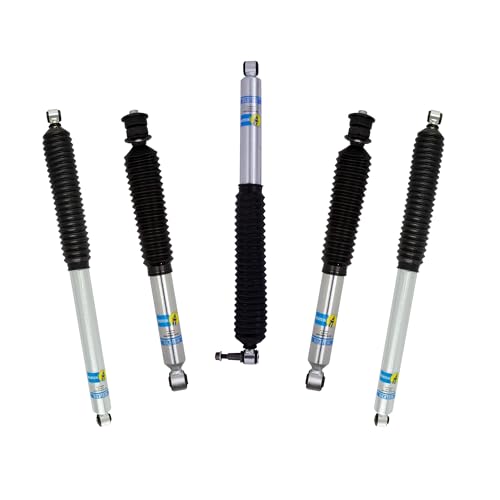
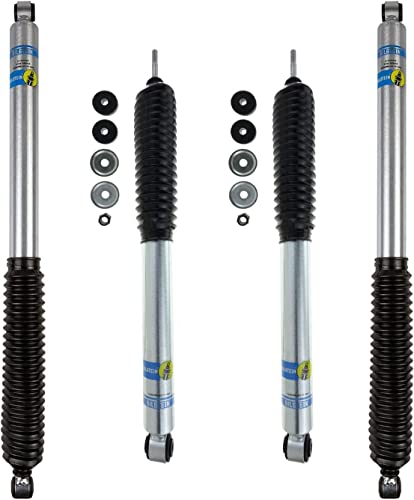
If your strut mounts are worn, you should repair them now rather than wait. Delaying replacement can lead to poor handling, uneven tire wear, and damage to other suspension components, making the repair more expensive later. Strut mounts are critical for connecting the strut to the vehicle’s body and absorbing road shock, so ignoring them compromises safety and ride quality.
What Are Strut Mounts and When Do They Fail?
Strut mounts are rubber and metal assemblies that sit atop the front struts in many vehicles. They allow the strut to pivot during steering while isolating vibration from the chassis. Typical lifespan is 50,000 to 100,000 miles, but they can fail earlier due to harsh roads, heavy loads, or age. Signs of failure include clunking noises over bumps, excessive steering play, uneven tire wear, and a rough ride. If you notice these symptoms, it’s time to act.
Cost of Replacing Strut Mounts Now vs. Later
Replacing strut mounts now typically costs $200 to $500 per pair including parts and labor. Parts alone are $30 to $100 each, and labor runs 1 to 2 hours per side. If you wait, a failed mount can damage the strut itself, requiring a full strut assembly replacement costing $400 to $800 per side. Additionally, worn mounts accelerate tire wear, costing you $100 to $200 per tire sooner. So repairing now saves you money in the long run.
Safety Risks of Delaying Strut Mount Replacement
Driving with bad strut mounts compromises your vehicle’s stability and braking. The mount holds the strut in alignment; if it fails completely, the strut can detach from the chassis, causing loss of steering control. Even partial failure increases stopping distances and reduces cornering grip. For most drivers, the risk is not worth waiting. However, if you drive only short distances at low speeds, you might delay a few weeks, but never ignore severe symptoms like loud clunks or visible separation.
When You Can Safely Wait
If the mounts show only minor wear (slight cracking but no noise or play), you may be able to wait a few thousand miles. Check them at every oil change. If you have a second vehicle or rarely drive, waiting might be acceptable, but still plan replacement within 6 months. For safety, always replace mounts in pairs (both front or both rear) to maintain balanced handling. If you’re unsure, have a mechanic inspect them; many shops offer free suspension checks.
Frequently Asked Questions
Can I replace just the strut mounts without replacing the struts?
Yes, if the struts are still in good condition (no leaks, worn bushings, or reduced damping). However, many mechanics recommend replacing the strut and mount together because the labor is similar, and new struts improve ride quality. If your struts have over 50,000 miles, consider replacing them simultaneously.
How long can I drive with a bad strut mount?
It’s not recommended to drive more than a few hundred miles with a severely worn mount. Minor wear may allow up to 1,000 miles, but the risk of sudden failure increases. If you hear clunking or feel looseness, get it fixed immediately. Ignoring it can damage the strut, spring, and even the vehicle’s body.
Do strut mounts affect alignment?
Yes, worn strut mounts can cause the wheel alignment to shift, leading to uneven tire wear and poor handling. After replacing strut mounts, you should always get a wheel alignment to ensure proper geometry. This adds $50 to $100 to the total cost but is essential for tire life and safety.
The Bottom Line
Repair strut mounts now if you notice any symptoms of failure. Waiting risks higher costs and safety hazards. For minor wear, you can delay a short time, but prioritize replacement within a few months. For more suspension tips, check our suspension guide or see our recommended OBD2 scanners to monitor your vehicle’s health.