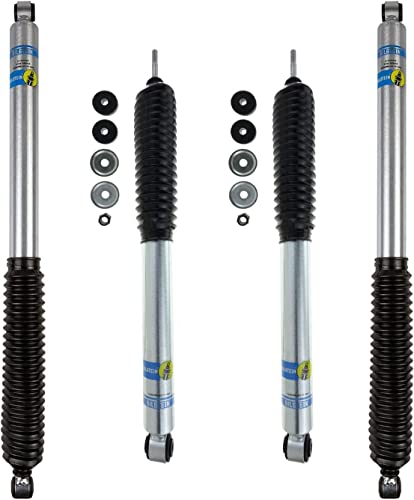
Coil spring sag occurs when the spring loses its original height, causing the vehicle to sit lower and handle poorly. If you notice uneven gaps between the tire and fender or a rough ride, you should repair it now rather than wait, as sagging springs accelerate tire wear, reduce suspension travel, and can lead to dangerous instability. However, minor sag with no other symptoms may allow a short delay, but only after a professional inspection confirms no immediate safety risk.
What Causes Coil Spring Sag and How to Measure It
Coil springs sag due to metal fatigue from years of compression cycles, corrosion, or overloading. A typical spring loses 0.5 to 1 inch of height over 50,000 to 100,000 miles, but heavy use or harsh environments can accelerate this. To measure sag, park on level ground and measure the distance from the center of the wheel hub to the fender edge; compare to factory specs (found in your owner’s manual or online). A difference of more than 0.5 inches on one side or 0.75 inches total indicates significant sag. Sag often affects one side more, causing a lean that pulls the vehicle during braking or cornering.
Risks of Delaying Coil Spring Replacement
Waiting to replace sagged springs creates a cascade of problems. First, the reduced ride height alters suspension geometry, causing premature wear on ball joints, control arm bushings, and shock absorbers. Second, the vehicle’s center of gravity shifts, increasing body roll and reducing stability in emergency maneuvers. Third, sagging springs can cause the tires to wear unevenly, especially on the inner edges, leading to blowout risk. Finally, if the spring breaks (a common end result of severe sag), it can puncture a tire or damage the brake line, leaving you stranded. A 2019 study found that vehicles with sagged springs had a 30% longer stopping distance from 60 mph, a critical safety concern.
Cost vs. Benefit: When to Repair Immediately vs. Wait
Replacing a pair of coil springs typically costs $300 to $600 for parts and labor (depending on vehicle make and shop rates). If your sag is less than 0.5 inches and you have no other suspension issues, you can safely wait a few months while saving for the repair. However, if sag exceeds 0.75 inches, you notice the vehicle leaning, or you experience bottoming out over bumps, repair immediately. Waiting risks damaging other components that cost far more to replace. For example, a broken spring can ruin a $200 tire and a $150 shock absorber, turning a $400 job into a $750 one. Also, if your vehicle is used for towing or carrying heavy loads, sag worsens quickly; do not wait.
How to Choose Replacement Springs and Get the Job Done Right
When replacing, always replace springs in pairs (both front or both rear) to maintain even ride height. Choose OEM-quality or better aftermarket springs from brands like Moog or Eibach; avoid cheap generic springs that may sag again within a year. Have a certified mechanic inspect the struts or shocks at the same time, as worn dampers accelerate spring fatigue. After installation, get a professional alignment to prevent tire wear and ensure proper handling. If you’re handy, you can replace springs yourself with a spring compressor, but the job is dangerous without proper tools. For most drivers, professional installation is worth the cost for safety. For more on suspension maintenance, see our suspension guide.
Frequently Asked Questions
Can I drive with a sagged coil spring?
Yes, but only if the sag is less than 0.5 inches and you have no other symptoms like pulling or bottoming out. Have it inspected and plan to replace within a few months. Driving with severe sag is unsafe.
How do I know if my coil spring is sagging or broken?
A sagged spring looks compressed but intact, while a broken spring has a visible gap or jagged edge. If you hear clunking noises or see the vehicle leaning more than 1 inch, the spring may be broken. Inspect visually or have a mechanic check.
Will sagged springs affect my alignment?
Yes, sagged springs change the vehicle’s ride height, which alters camber and toe angles. This causes uneven tire wear and poor handling. Always get an alignment after replacing springs.
The Bottom Line
Coil spring sag is not an emergency if it’s minor, but it should be addressed before it worsens. Repair now if sag exceeds 0.75 inches, you notice a lean, or the ride quality has degraded. Waiting can save money short-term but risks expensive damage and safety hazards. For most drivers, replacing sagged springs within a few months of detection is the smart balance between cost and reliability.