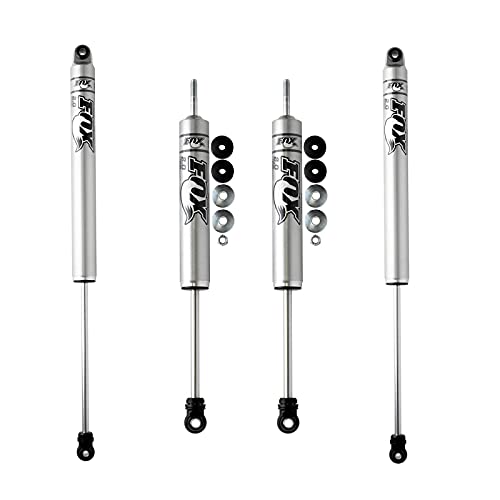
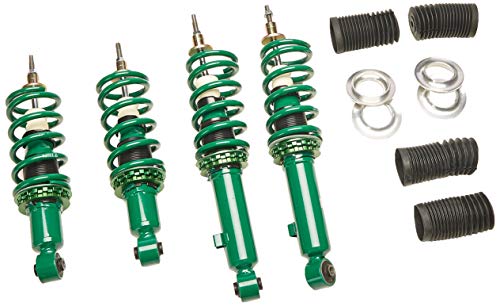
Control arm bushings should be repaired now if you hear clunking noises, feel steering vibration, or notice uneven tire wear. Waiting can worsen handling and damage other suspension parts, but minor cracking without symptoms may allow short delays. Here is how to decide based on actual condition and driving needs.
Signs You Need Immediate Replacement
Three symptoms demand prompt action. First, a loud clunk or knock when going over bumps or turning means the bushing has excessive play, often over 1/8 inch of movement. Second, steering feels loose or wanders at highway speeds, especially above 55 mph. Third, visible rubber cracking, tearing, or metal-on-metal contact indicates total failure. In these cases, driving more than 500 miles risks damaging the control arm itself, costing $200 to $600 more in parts.
When You Can Safely Wait
If you only see minor surface cracks less than 1/16 inch deep with no play, you can drive 1,000 to 3,000 miles before replacement. Also, if there is no noise, vibration, or alignment change, waiting is acceptable. However, avoid off-road driving or heavy loads during that period. Check every oil change for worsening cracks. Keep in mind that rubber bushings naturally degrade after 60,000 to 80,000 miles, so eventual replacement is inevitable.
Cost and Labor Considerations
Replacing control arm bushings costs $200 to $500 per side for parts and labor at a shop, or $50 to $150 for parts if you DIY. Pressing old bushings out and new ones in requires a hydraulic press or special tool; many DIYers opt to replace the entire control arm for $100 to $300 per side, which is easier and includes new ball joints. Waiting until the bushing fails completely can double labor costs because the control arm may need replacement. For comparison, a full suspension inspection costs $50 to $100 and can catch issues early.
Safety and Performance Impact
Worn bushings reduce tire contact with the road, increasing stopping distance by 10 to 20 feet from 60 mph. They also cause premature tire wear, often scalloping or feathering, which can ruin a set of tires in 5,000 miles. Handling becomes sloppy, with body roll and delayed steering response. In extreme cases, a failed bushing can cause the control arm to detach, leading to loss of control. For these reasons, repair now is the safer choice if any symptom exists.
Frequently Asked Questions
Can I drive with a broken control arm bushing?
You can drive a short distance (under 50 miles) to a shop, but continued driving risks damage to the ball joint, tie rod, and tire. If the bushing is completely separated, the control arm may shift and cause a crash. Have it towed if possible.
How long do control arm bushings last?
Typical lifespan is 60,000 to 100,000 miles depending on road conditions and driving style. Rough roads, heavy loads, and aggressive driving shorten life. Inspect them every 30,000 miles.
Should I replace both sides at the same time?
Yes, it is recommended to replace bushings on both sides simultaneously to maintain balanced handling. If one side is worn, the other is likely near failure. Replacing both costs more upfront but saves labor later.
The Bottom Line
Repair control arm bushings now if you hear clunks, feel vibration, or see visible damage. Waiting is only acceptable for minor cracks without symptoms and for a limited time. The cost of replacement is far less than the cost of damaged tires, alignment issues, or a failed control arm. For more suspension advice, check our suspension guide.