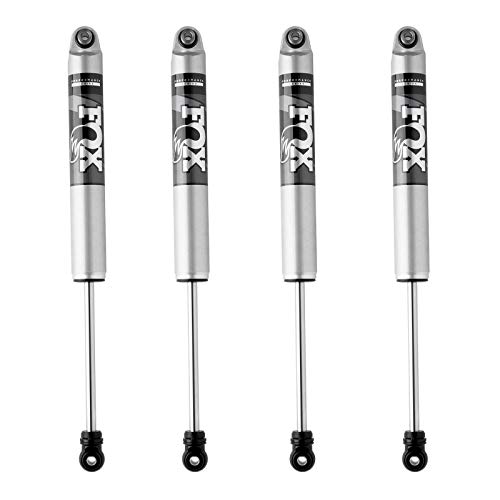
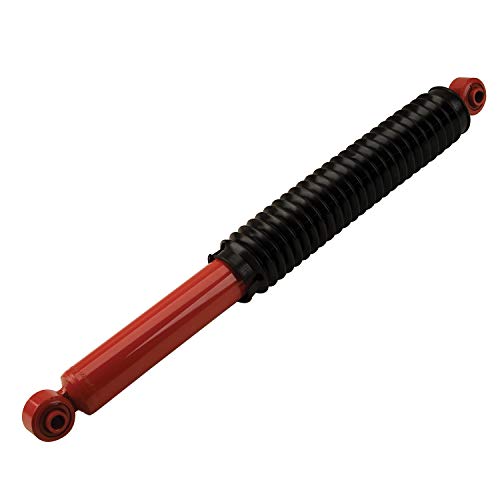
Yes, ignoring bad strut mounts is dangerous. Worn strut mounts can cause unpredictable handling, reduced braking performance, and even sudden suspension failure, putting you and others at risk.
What Are Strut Mounts and Why Do They Matter?
Strut mounts are the top connection between your vehicle’s strut assembly and the chassis. They consist of a bearing plate, rubber isolator, and metal housing. Their job is to allow the strut to pivot smoothly during steering while absorbing small vibrations and road noise. When they fail, the strut can move out of alignment, leading to serious safety and performance issues.
The Dangers of Driving with Bad Strut Mounts
Loss of Steering Control
A worn bearing plate causes the strut to bind or move erratically. This makes steering feel loose or jerky, especially during turns. You may notice a clunking noise when turning the wheel. In extreme cases, the mount can separate, causing immediate loss of steering control.
Uneven and Accelerated Tire Wear
Bad mounts allow the wheel to tilt incorrectly, leading to uneven tire contact. This can cause cupping or bald spots on the inside or outside edge of the tire. Tires with uneven wear are more prone to blowouts, especially at highway speeds.
Damage to Other Suspension Components
A failing mount puts extra stress on the strut itself, ball joints, and control arms. Over time, this can lead to premature failure of these parts, increasing repair costs. If the mount collapses completely, the strut can punch through the body of the car, causing catastrophic damage.
Reduced Braking Performance
When strut mounts are worn, the vehicle’s weight transfer during braking becomes unpredictable. This can increase stopping distances and cause the car to pull to one side, making emergency stops more dangerous.
How to Spot Bad Strut Mounts
Common symptoms include: clunking or popping noises from the top of the suspension when turning or going over bumps; excessive vibration in the steering wheel; uneven tire wear; and visible rust or cracking around the mount area. A simple test: with the car parked, turn the wheel lock-to-lock and listen for noises. If you suspect a problem, have a mechanic inspect the mounts immediately.
When Should You Replace Strut Mounts?
There is no set mileage interval; it depends on driving conditions and road quality. However, strut mounts often last between 50,000 and 100,000 miles. If you replace your struts, always replace the mounts at the same time. Reusing old mounts with new struts is a false economy and can lead to premature failure. For more on suspension maintenance, check out our suspension guide.
Frequently Asked Questions
Can I drive with a bad strut mount?
It is not recommended. Even a slightly worn mount compromises handling and safety. Driving with a bad mount increases the risk of a sudden failure that could cause an accident.
How much does it cost to replace strut mounts?
Parts cost between $30 and $100 per mount, and labor adds $100 to $200 per side, depending on your vehicle. Replacing both front mounts typically costs $300 to $600 total.
Do I need an alignment after replacing strut mounts?
Yes, always get a wheel alignment after replacing strut mounts or struts. The removal and installation process affects camber and toe angles, and proper alignment ensures even tire wear and safe handling.
The Bottom Line
Ignoring bad strut mounts is dangerous and costly. The risks of losing control, damaging tires, and harming other suspension parts far outweigh the cost of replacement. If you notice symptoms, have them inspected and replaced promptly. For reliable diagnostic tools to check your suspension, see our best OBD2 scanners.