Motor oil is the lifeblood of your vehicle’s engine, performing the critical tasks of lubricating moving parts, reducing friction, and helping to disperse heat. Over time, however, oil breaks down and becomes contaminated with dust, dirt, and debris from the engine and the environment. When oil degrades, it loses its ability to protect your engine, leading to increased wear and potential mechanical failure.
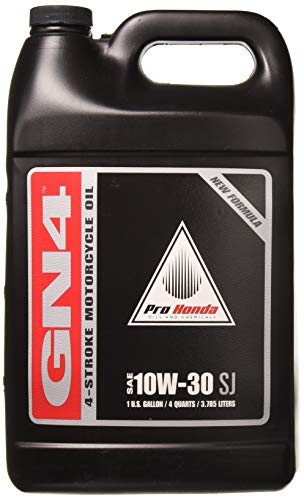
Honda Pro 10W-30 Engine Oil
Recognizing the early warning signs that you need an oil change is essential for maintaining the longevity and performance of your car. While following your manufacturer’s recommended maintenance schedule is the best practice, understanding these physical indicators can help you avoid severe engine damage between scheduled services.
Dark and Gritty Oil
Among the most straightforward ways to check your oil condition is by using the dipstick. Fresh, clean oil is typically amber and translucent. As it ages and collects contaminants, it darkens significantly. If you pull the dipstick and the oil appears black or very dark brown, it’s likely time for a change.
Besides color, you should also check the texture. Rub a small amount of oil between your thumb and index finger. If you feel grit or small particles, the oil has become saturated with sludge and debris. This grit acts as an abrasive and can score your engine’s internal components, necessitating an immediate oil change to prevent damage.
Loud Engine Knocking or Ticking
Engine noise is often a symptom of inadequate lubrication. When oil levels are low or the oil has broken down, it can’t create a sufficient protective barrier between metal parts like the pistons, valves, and camshaft. This results in metal-on-metal contact, which often manifests as a distinct knocking or ticking sound coming from under the hood.
Don’t ignore these sounds. Knocking often indicates that the engine is under significant stress. If you hear these noises, check your oil level immediately. If the oil level is sufficient but the noise persists, the viscosity may have broken down, and an oil change is required to restore proper lubrication and silence the engine.
Burning Oil Smell Inside the Cabin
If you detect a strong, acrid smell of oil inside the passenger compartment, it’s a clear warning sign. This odor typically occurs when oil leaks onto hot engine parts, such as the exhaust manifold or pipes, and burns off. It may also indicate that your oil is old and thin enough to evaporate or seep into the combustion chamber.
While a leak might require a repair beyond a simple oil change, the smell is an indicator that your oil system is compromised. You should inspect your driveway or parking spot for fresh puddles or spots. Addressing the smell promptly helps prevent fire hazards and ensures your engine retains the fluid it needs to operate.
Visible Exhaust Smoke
Seeing a thin vapor from your tailpipe on a cold day is normal, but thick, colored smoke isn’t. If you notice blue or gray smoke billowing from your exhaust, it usually means your engine is burning oil. This can happen if piston rings or valve seals wear out, allowing oil to leak into the combustion chamber where it’s ignited along with fuel.
Burning oil is a serious issue that leads to low oil levels and increased emissions. While replacing internal parts is a major repair, switching to a high-mileage oil or a different viscosity during an oil change can sometimes help condition seals and reduce minor consumption, as recommended by standards from the Society of Automotive Engineers (SAE).
Dashboard Warning Lights
Modern vehicles are equipped with sophisticated sensors to monitor oil life and pressure. There are two main lights to watch for: the oil change light and the oil pressure light. The oil change light usually looks like a wrench or a dripping oil can and illuminates based on mileage or driving conditions calculated by the car’s computer.
The oil pressure light, however, is more urgent. It typically looks like an old-fashioned oil can with a handle or a red droplet. If this light turns on, it means oil pressure has dropped critically low. Pull over safely and turn off the engine immediately to prevent catastrophic failure, as driving with low oil pressure can destroy an engine in minutes.
Declining Fuel Economy
If you notice you’re filling up the gas tank more often than usual without a change in driving habits, old oil could be the culprit. As oil degrades, its viscosity changes and it becomes thicker and sludgy. This creates more resistance within the engine, forcing it to work harder to overcome friction and move the pistons.
Increased engine workload directly translates to higher fuel consumption. By changing your oil and restoring proper lubrication, you reduce the energy lost to friction. Maintaining fresh oil with the correct viscosity rating ensures your engine runs efficiently, helping you maintain optimal fuel economy over the life of the vehicle.
Exceeding Manufacturer Mileage Intervals
Even if your car seems to be running fine, you should strictly adhere to the mileage intervals suggested in your owner’s manual. The old rule of thumb for an oil change was every 3,000 miles, but advancements in engine technology and synthetic oils have extended this range for many vehicles to between 5,000 and 10,000 miles.
Always consult your specific manual for the recommended interval, as it varies by make, model, and oil type. The American Petroleum Institute (API) certifies oils to ensure they meet specific performance standards, so using an oil with the correct API service symbol for your engine is crucial when performing maintenance based on mileage.
Frequently Asked Questions
How do I know if my oil is low without a light?
You can check your oil level manually using the dipstick located under the hood. Ensure the car is parked on a level surface and the engine is cool. Pull the dipstick out, wipe it clean, reinsert it fully, and pull it out again to check the oil level against the minimum and maximum markings.
Can I switch from conventional oil to synthetic oil?
Yes, you can generally switch from conventional to synthetic oil without any issues. Synthetic oils offer better protection and performance, especially in extreme temperatures. However, you should always verify that the synthetic oil meets the viscosity and API service grade requirements outlined in your vehicle’s owner manual.
What happens if I wait too long to change my oil?
Waiting too long can cause the oil to turn into sludge, which clogs oil passages and prevents oil from reaching vital engine parts. This leads to increased friction, overheating, and eventually severe engine damage such as thrown rods or seized bearings, which are expensive to repair.
Does driving in stop-and-go traffic require more frequent oil changes?
Yes, severe driving conditions such as stop-and-go traffic, frequent short trips, towing, or extreme temperatures put more stress on the engine. Most manufacturers recommend following a ‘severe service’ maintenance schedule for these conditions, which typically calls for oil changes more frequently than normal driving schedules.
Why is the color of my new oil dark immediately after a change?
If your oil turns dark immediately after an oil change, it’s likely because the new oil is cleaning up deposits and sludge left behind by the old oil. This is a sign that the detergent additives in the oil are doing their job. However, if the oil becomes opaque and black very quickly, you may have engine issues or poor combustion that should be inspected.
The Bottom Line
Regular oil changes are the single most important maintenance task you can perform to ensure the reliability of your vehicle. By staying alert to signs like dark oil, strange noises, or burning smells, you can address issues before they escalate into costly repairs. Always refer to your owner’s manual for specific intervals and use high-quality oil that meets industry standards to keep your engine running smoothly for years to come.