Breaking in a fresh flat tappet camshaft is the single most nerve-wracking part of any engine build. Flat tappet lobes and lifters rely on a sliding contact that generates extreme boundary-layer pressure, and modern API SN and SP oils have had their zinc and phosphorus levels cut to protect catalytic converters. Run a low-zinc oil during that first fire-up and you can wipe a lobe flat in the first twenty minutes, taking the lifter and a fresh set of bearings with it.
A proper break-in oil fixes this with a heavy dose of ZDDP, the zinc dialkyldithiophosphate anti-wear package that builds a sacrificial film exactly where flat tappet cams need it most. We looked at zinc and phosphorus content, base oil quality, detergent levels that let rings seat, and how each oil behaved during real break-in cycles. Below are the seven break-in oils we trust to get a flat tappet engine through those critical first minutes and miles.
| Photo | Product | Score | Buy |
|---|---|---|---|
 |
Driven Racing Oil BR30 Break-In Oil 5W-30 Best Overall 5W-30 synthetic, high ZDDP, formulated for flat tappet break-in by Joe Gibbs Racing |
9.5 |
ⓘ We may earn a commission from qualifying purchases made through links on this page, at no extra cost to you.
|
 |
Lucas Oil Hot Rod and Classic Car Break-In Oil 10W-30 Best for Classic Engines 10W-30 conventional, high zinc and phosphorus, designed for older flat tappet engines |
9.3 | 🛒 Check Price |
 |
Royal Purple Break-In Oil 10W-30 Best Synthetic Blend 10W-30 with high zinc additive, blended base for break-in protection |
9.1 | 🛒 Check Price |
 |
Comp Cams Break-In Oil Additive Best ZDDP Additive Concentrated zinc and phosphorus additive, one bottle treats a typical oil change |
8.9 | 🛒 Check Price |
 |
Brad Penn Penn Grade 1 Break-In Oil 30W Best Pennsylvania Crude Straight 30 weight, high zinc, Pennsylvania-grade base oil for break-in |
8.7 | 🛒 Check Price |
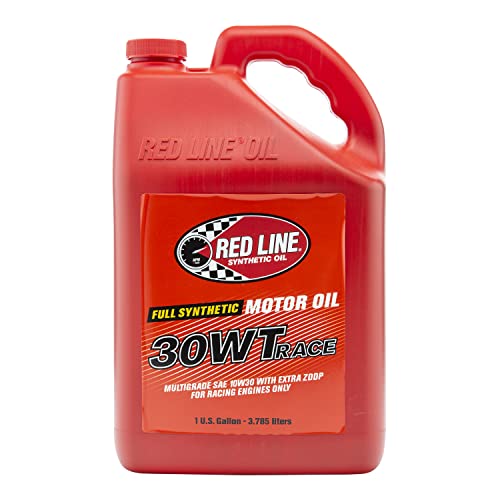 |
Red Line Break-In Oil 10W-30 Best for High Spring Pressure 10W-30 with high zinc, formulated for aggressive flat tappet break-in |
8.5 | 🛒 Check Price |
 |
Valvoline VR1 Racing Oil 10W-30 Most Available 10W-30 racing oil with high zinc, stocked widely at parts stores |
8.3 | 🛒 Check Price |
1. Driven Racing Oil BR30 Break-In Oil 5W-30: Best Overall
Driven Racing Oil BR30 is the break-in oil we reach for first on any flat tappet build, and it comes straight out of the Joe Gibbs Racing development lab. It pairs a solid ZDDP anti-wear package with a carefully balanced detergent level, which matters more than people realize during break-in. Too much detergent and your rings struggle to seat, too little and you trade ring seal for sludge. BR30 walks that line well, giving flat tappet lobes the sacrificial zinc film they need while still letting the rings bed against fresh cylinder walls.
The honest weakness here’s that BR30 is strictly a break-in product. You run it for the cam break-in cycle and the first heat cycles, then drain it and move to a proper running oil. That’s by design, not a flaw, but newcomers sometimes leave it in far too long expecting it to behave like a normal oil. It’s also not always on the shelf at a typical parts store, so you usually order ahead. If you plan the build, neither point is a real problem.
- High zinc and phosphorus package tuned for flat tappet ring and cam seating
- Mild detergent level that lets piston rings seat quickly
- Synthetic base from the Joe Gibbs Racing development program
Pros: Trusted by professional engine builders and dyno shops; Excellent lobe and lifter protection during first fire-up; Promotes fast, clean ring seal
Cons: Meant for break-in only, must be drained after the run-in period; Availability can be spotty at local stores
2. Lucas Oil Hot Rod and Classic Car Break-In Oil 10W-30: Best for Classic Engines
Lucas built this oil for exactly the crowd that worries most about flat tappet wear, the hot rod and classic car owner. The 10W-30 grade and conventional base suit the wider clearances and older seal materials found in vintage V8s, and the elevated zinc and phosphorus give the cam lobes the boundary protection they were originally designed around. During break-in it lays down a tough anti-wear film while still allowing the rings to seat over the first heat cycles, which is exactly what an older engine wants.
The trade-off is that this is a conventional oil, so it doesn’t shear or resist oxidation quite like a full synthetic break-in product. For a stock-rebuild classic that’s totally appropriate and arguably preferable, but for a high-spring-pressure race cam you might want something with a stouter base. It’s also offered mainly as a 10W-30, so if your build calls for a different viscosity during run-in you have fewer options. For the intended classic audience, though, it’s hard to fault.
- Elevated ZDDP content aimed at vintage and muscle car cams
- Conventional base oil that suits older seals and clearances
- Formulated specifically for the break-in heat cycles
Pros: Great match for classic and muscle car flat tappet builds; Widely available and easy to source; Strong anti-wear protection at a sensible quality level
Cons: Conventional base is less shear stable than full synthetics; Single grade choice limits flexibility for tight builds
3. Royal Purple Break-In Oil 10W-30: Best Synthetic Blend
Royal Purple is best known for its running oils, and its dedicated break-in formula brings the same additive focus to the run-in stage. The 10W-30 carries a generous slug of zinc and phosphorus aimed squarely at flat tappet cam and lifter survival, and Royal Purple tunes the detergent so the rings still seat against fresh bores. It’s an easy oil to recommend to someone who already trusts the brand and wants a no-drama first fire-up on a flat tappet build.
The main caveat is the same as any true break-in oil, it’s meant to be drained after the break-in interval, not run for thousands of miles. A few buyers expect more than that from the Royal Purple name and leave it in too long. There are also purpose-built racing break-in oils that some engine builders favor for very aggressive cams, so this sits as a strong mainstream choice rather than the absolute specialist pick. For most street and mild performance flat tappet rebuilds it does everything asked of it.
- High level of zinc and phosphorus for flat tappet anti-wear
- Designed to be drained after the break-in interval
- Promotes ring seal while protecting cam and lifters
Pros: Strong reputation for additive technology; Good cam protection with proper ring seating balance; Consistent quality from a well known brand
Cons: Break-in use only, not a long term oil; Some builders prefer a dedicated racing break-in formula
4. Comp Cams Break-In Oil Additive: Best ZDDP Additive
Comp Cams is one of the biggest names in flat tappet camshafts, so it makes sense that its break-in additive is engineered around exactly the wear mode those cams face. Rather than being a standalone oil, this is a concentrated zinc and phosphorus shot you pour into a quality conventional oil to bring its ZDDP up to the level a fresh flat tappet lobe demands. For builders who already have an oil they like, it’s the simplest way to guarantee cam protection on the first fire-up.
The flip side of being an additive is that results depend on the base oil you choose and on following the dosage. Add it to a low-quality oil and you have only fixed half the problem, and dumping in extra in the belief that more zinc is always better can actually interfere with ring seating. Used as directed in a good oil, though, it’s an excellent insurance policy and a smart thing to keep on the shelf for routine changes after break-in too.
- Boosts ZDDP in any oil you already trust
- Made by a leading flat tappet camshaft manufacturer
- Ideal companion when running a favorite base oil
Pros: Lets you add cam protection to a preferred oil; Comes from a camshaft maker that knows flat tappet wear; Compact and easy to keep on the shelf for future changes
Cons: It’s an additive, not a complete oil; Overdosing zinc can hurt ring seating if misused
5. Brad Penn Penn Grade 1 Break-In Oil 30W: Best Pennsylvania Crude
Brad Penn, with its distinctive green tint, has a cult following among old school engine builders, and the Penn Grade 1 break-in oil leans on Pennsylvania-grade crude that’s famous for its natural film strength. Pair that base with a high ZDDP additive package and you get an oil that clings to flat tappet lobes under the brutal boundary pressures of break-in. The straight 30 weight is exactly what a lot of traditional cam break-in procedures call for, which is why veteran builders keep reaching for it.
The honest limitation is the straight weight itself. On a cold first start in a chilly garage it doesn’t flow like a multigrade, so timing your initial fire-up when the engine is at a reasonable temperature matters more here. It’s also a niche brand that can be tricky to source compared to the big-box options. But for builders who value film strength above all and follow a classic break-in routine, the Pennsylvania crude character is a genuine draw rather than marketing.
- Pennsylvania-grade base oil prized for its film strength
- High ZDDP for flat tappet cam and lifter protection
- Straight weight favored for old school break-in procedures
Pros: Pennsylvania crude base has a loyal following for film strength; Strong anti-wear additive package; Well suited to traditional break-in methods
Cons: Straight weight isn’t ideal for cold climate first starts; Niche brand can be harder to find
6. Red Line Break-In Oil 10W-30: Best for High Spring Pressure
Red Line has a long reputation in the performance oil world, and its break-in oil is aimed at the harder end of the flat tappet spectrum, the builds running aggressive lobe profiles and stiffer valve springs. Those setups push boundary-layer pressures even higher than a mild street cam, so the elevated zinc and phosphorus here’s there to keep the lobes alive when spring loads are punishing. It’s calibrated to still allow ring seating, so you aren’t trading one problem for another during run-in.
Because it’s tuned toward performance applications, it can feel like more oil than a gentle stock rebuild strictly needs, and you pay for that specialization. Like every genuine break-in oil it’s also a drain-and-replace product, not something to run long term. If your build is a mild flat tappet street engine, simpler options on this list cover you, but if you have meaningful spring pressure over the nose of the cam, Red Line is a confident choice for surviving break-in.
- High zinc and phosphorus for heavy valve spring loads
- Built to handle aggressive flat tappet lobe profiles
- Engineered to seat rings while protecting the cam
Pros: Strong protection for stiff valve spring setups; Reputable performance oil brand; Balances cam protection with ring seal
Cons: Aimed at performance builds more than mild rebuilds; Break-in only, must be changed out afterward
7. Valvoline VR1 Racing Oil 10W-30: Most Available
Valvoline VR1 is the practical pick, the high-zinc racing oil you can usually grab off a local shelf the same afternoon you need it. Its zinc and phosphorus levels sit well above a normal modern passenger car oil, which gives flat tappet lobes far better protection than an off-the-rack API SP oil would. Many builders use it both for the break-in run and then keep it as a higher-zinc running oil for an older flat tappet engine, which makes it genuinely adaptable.
That versatility is also its compromise. Because VR1 is built to do double duty as a racing and street oil rather than a pure break-in product, its detergent and additive balance isn’t as precisely tuned for ring seating as a dedicated break-in oil like BR30. For a careful first fire-up the specialists edge it out. But when you need high zinc immediately and don’t want to wait on a shipment, VR1 is the dependable answer and far better than risking a low-zinc oil on a fresh cam.
- Higher zinc content than standard passenger car oils
- Easy to find on the shelf at most auto parts stores
- Works for break-in and as a higher-zinc running oil
Pros: Very widely available when you need it fast; Higher zinc level than typical street oil; All-around for both break-in and ongoing flat tappet use
Cons: Not a dedicated break-in only formula; Detergent balance is a compromise versus pure break-in oils
Frequently Asked Questions
Why do flat tappet cams need a special break-in oil?
Flat tappet camshafts use a sliding contact between the lobe and the lifter that creates extreme pressure at the surface. That contact relies on a sacrificial anti-wear film, and the chemistry that builds it best is ZDDP, the zinc and phosphorus additive. Modern API SN and SP oils have had their zinc and phosphorus reduced to protect catalytic converters, which leaves a fresh flat tappet lobe vulnerable. A dedicated break-in oil restores high ZDDP levels so the lobe and lifter survive the harsh first fire-up, and it balances detergent so the piston rings can still seat properly at the same time.
How long should I run break-in oil before changing it?
The classic procedure is to fire the engine and hold it at a fast idle around 2000 to 2500 rpm for the first 20 to 30 minutes to break in the cam, varying the speed so oil splashes the lobes. After that initial cam break-in and a few heat cycles, most builders drain the break-in oil, cut open or inspect the filter, and switch to a running oil. Some run the break-in oil for a few hundred miles of gentle driving first. Always follow the camshaft manufacturer instructions, since their warranty often depends on the exact break-in steps and oil type you used.
Can I just add a ZDDP additive to regular oil instead?
Yes, and that’s exactly what products like the Comp Cams break-in additive are for. If you have a quality conventional oil you trust, a measured shot of a zinc and phosphorus additive can bring its anti-wear level up to where a flat tappet cam needs it. The key word is measured. Pouring in extra zinc on the theory that more is always better can actually interfere with ring seating and even with the additive balance. A complete dedicated break-in oil takes the guesswork out, but a good oil plus the correct additive dose is a proven alternative.
What zinc level should a break-in oil have for a flat tappet cam?
Most camshaft makers want to see roughly 1200 to 1600 parts per million of zinc and a similar level of phosphorus during break-in, which is far above the limits set on modern catalytic-converter-friendly oils. The dedicated break-in oils on this list all sit comfortably in or above that range, which is why they protect the lobes when spring pressure is highest. If you’re running a high-spring-pressure performance cam, lean toward the upper end of that window. Always check the specific number your cam grinder recommends, since aggressive profiles can ask for more.
Is synthetic or conventional better for breaking in a flat tappet cam?
For ring seating, many builders actually prefer a conventional or lightly blended oil during break-in because a very slick full synthetic can make rings take longer to seat against the cylinder walls. For cam lobe protection, what matters is the ZDDP level, not whether the base is synthetic. That’s why several excellent break-in oils use conventional or Pennsylvania-grade bases on purpose. A few synthetic break-in oils exist and work well, but if your goal is quick ring seal plus strong cam protection, a high-zinc conventional or blend break-in oil is a very safe choice.
Our Verdict
For most flat tappet cam break-ins, our top pick is the Driven Racing Oil BR30, which pairs serious ZDDP cam protection with a detergent balance that seats rings cleanly, all backed by the Joe Gibbs Racing development program. If you’re building a classic or muscle car and want something easy to source with the right base oil for older clearances, the Lucas Hot Rod and Classic Car Break-In Oil is our runner up. Whichever you choose, never fire a fresh flat tappet cam on a low-zinc modern oil, give the lobes the high-ZDDP film they were designed around and that camshaft will reward you for years.

