If your owner’s manual calls for 0W-20, you are driving one of the millions of modern engines built for a thin, low-friction synthetic oil. This grade flows fast on cold mornings, cuts pumping losses, and helps your engine squeeze out a little extra fuel economy. The catch is that not every 0W-20 on the shelf protects the same way, especially in turbocharged engines or vehicles that see towing, short trips, and stop-and-go traffic.
We compared the leading full synthetic 0W-20 oils on the things that actually matter: shear stability, deposit control, cold-start flow, and how well they hold up to extended drain intervals. Every oil below is a true full synthetic that meets modern API and manufacturer specs. Here are the seven we would confidently pour into our own engines.
| Photo | Product | Score | Buy |
|---|---|---|---|
 |
Mobil 1 Extended Performance 0W-20 Full Synthetic Best Overall Full synthetic, API SP, GF-6, rated up to 20,000 miles between changes |
9.5 | 🛒 Check Price |
 |
Castrol EDGE 0W-20 Advanced Full Synthetic Best for High Mileage Engines Full synthetic with fluid titanium technology, API SP, GF-6 |
9.3 | 🛒 Check Price |
 |
Pennzoil Platinum 0W-20 Full Synthetic Best for Cleanliness Full synthetic made from natural gas (PurePlus), API SP, GF-6 |
9.2 | 🛒 Check Price |
 |
Valvoline Advanced Full Synthetic 0W-20 Best Everyday Value Full synthetic, API SP, GF-6, 50 percent more wear protection claim |
9.0 | 🛒 Check Price |
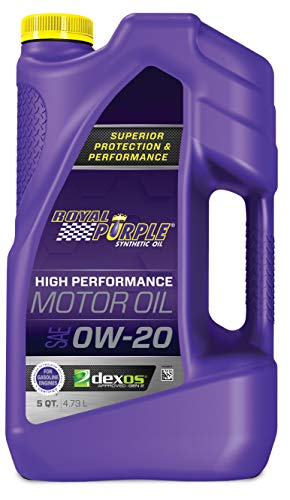 |
Royal Purple High Performance 0W-20 Synthetic Best for Performance Additives Full synthetic with proprietary Synerlec additive, API SP |
8.8 | 🛒 Check Price |
|
Amazon Basics Full Synthetic 0W-20 Motor Oil Best Budget Synthetic Full synthetic, API SP, GF-6, sold in five quart jug |
8.5 | 🛒 Check Price |
 |
Liqui Moly Special Tec AA 0W-20 Synthetic Best for Asian Imports Full synthetic, API SP, GF-6, formulated for Asian and US engines |
8.6 | 🛒 Check Price |
1. Mobil 1 Extended Performance 0W-20 Full Synthetic: Best Overall
Mobil 1 Extended Performance is the oil we reach for when we want one product that does almost everything well. The headline feature is the extended drain rating of up to 20,000 miles, but the more important story is what is happening at the molecular level. This is a true full synthetic with a strong additive package that resists sludge, controls high-temperature deposits, and stays in grade under shear. In a 0W-20 viscosity, that combination is exactly what a modern direct-injected or turbocharged engine needs, because thin oils are the first to break down when the additive chemistry is weak.
It also carries the API SP and ILSAC GF-6 certifications, which means it includes protection against low-speed pre-ignition, the knock-like event that has destroyed turbo engines running older oils. Cold-start flow is excellent, so the oil reaches the top end fast on a winter morning. The honest weakness is that the advertised 20,000-mile interval is a best-case figure. If you do mostly short trips, tow, or live somewhere dusty, you should change it sooner regardless of the marketing number. Treat the long interval as a margin of safety, not a license to forget.
- Advanced full synthetic formula rated for long drain intervals up to 20,000 miles
- Meets API SP and ILSAC GF-6 with strong LSPI protection for turbo engines
- Excellent cold-start flow and high-temperature deposit control
Pros: Industry-leading drain interval gives real confidence on the road; Strong wear and sludge protection in stop-and-go driving; Widely available and trusted by technicians
Cons: The long change interval depends heavily on your driving conditions; Premium tier, so value comes from extended intervals rather than upfront savings
2. Castrol EDGE 0W-20 Advanced Full Synthetic: Best for High Mileage Engines
Castrol EDGE leans on its Fluid Titanium Technology, which Castrol says strengthens the oil film so it resists breaking down when metal-to-metal pressure spikes. In practice, this is the 0W-20 we would point toward for drivers who push their engines, whether that means highway towing, spirited driving, or simply an older engine with more wear in the bearings and rings. The film strength helps keep moving parts separated exactly when a thin oil is most likely to thin out further.
It is fully certified to API SP and ILSAC GF-6, so it includes the modern LSPI and timing-chain wear protections that matter on today’s small turbo engines. Deposit control is genuinely good, and engines we have run on it stay clean inside. The trade-off is that Castrol does not market a long-interval version of this oil the way Mobil 1 does, so if your goal is to stretch the absolute maximum miles between changes, this is not the spec sheet to chase. As a protection-first daily oil, though, it is excellent.
- Fluid Titanium Technology reduces oil film breakdown under pressure
- API SP and ILSAC GF-6 certified for the latest gasoline engines
- Strong performance under heavy load and high-rpm driving
Pros: Excellent film strength under hard driving and high heat; Keeps engines clean over long ownership; Consistent quality batch to batch
Cons: No standout extended-drain claim like some rivals; Slightly thicker feel that some economy seekers may not prefer
3. Pennzoil Platinum 0W-20 Full Synthetic: Best for Cleanliness
Pennzoil Platinum is built on the company’s PurePlus base oil, which is made from natural gas rather than crude. The benefit of starting from a cleaner feedstock is a base stock with fewer impurities, and that shows up as superior piston and combustion-chamber cleanliness. For direct-injection engines, which are notorious for carbon buildup, a clean-running 0W-20 like this is a smart insurance policy. Pennzoil makes strong claims about keeping pistons clean, and our experience backs up that this oil leaves very little varnish behind.
It meets API SP and ILSAC GF-6, so the LSPI and chain-wear protections are all present. Cold flow is good and the oil holds its grade well across a normal change interval. The main limitation is that Platinum sits a step below Pennzoil’s Ultra Platinum line, and Pennzoil does not push it as an extended-drain oil. There is also some shopper confusion between the Platinum and Ultra Platinum bottles, so check the label carefully if cleanliness is your top priority and you want the very best Pennzoil offers.
- PurePlus Technology base oil made from natural gas for fewer impurities
- Outstanding piston cleanliness and deposit control
- Helps protect horsepower over the life of the oil
Pros: Exceptionally clean-burning base stock; Great deposit and varnish control on direct-injection engines; Good cold-weather flow
Cons: Not marketed for the longest drain intervals; Branding can be confusing next to Pennzoil Ultra Platinum
4. Valvoline Advanced Full Synthetic 0W-20: Best Everyday Value
Valvoline Advanced Full Synthetic is the sensible default for someone who just wants a quality 0W-20 without overthinking it. Valvoline advertises 50 percent more wear protection than the industry standard, backed by an additive package heavy on anti-wear chemistry and extra detergents. For a daily commuter or family vehicle that sees a normal mix of city and highway miles, this oil covers all the bases competently and keeps the engine clean.
It is fully certified to API SP and ILSAC GF-6, including LSPI protection, so it is safe for turbocharged engines that call for 0W-20. The honest assessment is that it does not lead any single category the way Mobil 1 leads on drain interval or Pennzoil leads on cleanliness. It is a strong, well-rounded oil that delivers genuine value through consistent protection rather than a headline feature. If you change your oil on a conventional schedule and want a dependable synthetic, this is an easy recommendation.
- Formulated for 50 percent more wear protection than industry standard
- Added detergents to fight deposits and sludge
- API SP and ILSAC GF-6 certified for modern engines
Pros: Reliable all-around protection for daily drivers; Strong anti-wear additive package; Easy to find at most retailers
Cons: Nothing class-leading in any single category; Extended-drain version is a separate product
5. Royal Purple High Performance 0W-20 Synthetic: Best for Performance Additives
Royal Purple has built a loyal following among enthusiasts thanks to its proprietary Synerlec additive technology, which the company says bonds to metal surfaces and boosts film strength. In a 0W-20, that emphasis on additive performance translates to strong anti-wear protection and notably good corrosion resistance, which is a real advantage for vehicles that get parked for weeks or stored seasonally. Some drivers also report a quieter, smoother top end after switching, particularly in engines with hydraulic lifters.
It meets API SP, so the modern protections are in place for current engines. The fair criticism is one of value rather than quality. Royal Purple sits at a premium tier, and for the average commuter the real-world difference over a top mainstream synthetic can be hard to measure. It is also not as easy to find on a store shelf, so you may need to order it. For someone who wants a premium additive-focused oil and does not mind paying for the brand, it earns its place, but it is not a clear upgrade for everyone.
- Proprietary Synerlec additive technology for enhanced film strength
- Improved corrosion protection for engines that sit for long periods
- Compatible with ethanol-blended fuels
Pros: Excellent film strength and anti-wear additives; Good corrosion protection for stored or seasonal vehicles; Smooth, quiet running in many engines
Cons: Costs more for what some consider a marginal real-world gain; Less widely stocked than the major brands
6. Amazon Basics Full Synthetic 0W-20 Motor Oil: Best Budget Synthetic
The Amazon Basics Full Synthetic is proof that you do not need a legacy brand to get a properly certified oil. It is a true full synthetic that meets API SP and ILSAC GF-6, which means it carries the same baseline LSPI and wear protections required of the big names. For DIY oil changers who do their own work on a normal schedule, the five quart jug is conveniently sized for most four-cylinder engines, and the protection is perfectly adequate for everyday commuting.
What you give up is the decades of additive research and the motorsport validation that brands like Mobil 1 and Castrol lean on. There is no extended-drain claim and no proprietary additive story, so this is an oil for people who change on schedule and want a dependable synthetic without fuss. We would not hesitate to run it in a daily driver under warranty, since meeting the spec is what keeps you covered. For a high-stress turbo engine or a long-interval plan, the established premium oils still earn the nod.
- Full synthetic meeting API SP and ILSAC GF-6 standards
- Convenient five quart jug sized for most engines
- Solid baseline protection for everyday driving
Pros: Genuine full synthetic meeting current specs; Convenient single-jug sizing for a typical oil change; Strong value for budget-minded DIY changes
Cons: Lacks the proven additive reputation of legacy brands; No extended-drain marketing or motorsport pedigree
7. Liqui Moly Special Tec AA 0W-20 Synthetic: Best for Asian Imports
Liqui Moly Special Tec AA is the pick for owners of Asian-import vehicles who want an oil engineered around their engine family. The AA designation marks it as formulated specifically for Japanese, Korean, and American engines, and the additive balance leans toward the low-friction, fuel-economy priorities those manufacturers design for. If you drive a Toyota, Honda, Subaru, Hyundai, or similar vehicle that specs 0W-20, this oil speaks the same language as your engineering.
It is certified to API SP and ILSAC GF-6, with excellent cold-start flow that gets oil moving fast on freezing mornings. Liqui Moly’s reputation for quality is well earned among European technicians. The practical drawbacks are availability and packaging. It is harder to find on a US shelf and frequently sold in single-quart bottles, which makes a full oil change less convenient and a bit more involved to buy than a single jug from a mainstream brand. For the right vehicle, though, it is a genuinely thoughtful choice.
- Specifically formulated for Japanese, Korean, and US engines
- API SP and ILSAC GF-6 certified with strong fuel-economy focus
- Excellent cold-start performance and low-friction formula
Pros: Tailored chemistry for Toyota, Honda, and similar engines; Very good cold-weather flow and low friction; Strong European engineering reputation
Cons: Pricier and less common at US big-box stores; Often sold in single-quart bottles rather than jugs
Frequently Asked Questions
Can I use 0W-20 if my manual calls for 5W-20 or 5W-30?
Always follow your owner’s manual first. Many newer engines that originally specced 5W-20 are now approved for 0W-20, and some manufacturers issued bulletins allowing the switch for better cold-start flow and fuel economy. However, if your manual lists 5W-30, do not drop to 0W-20 without manufacturer approval, because the engine clearances and oil-pressure targets were designed around that thicker grade. The first number describes cold flow and the second describes hot viscosity, so a 0W-20 is thinner when hot than a 5W-30. When in doubt, match the exact grade printed on your oil cap or in the manual.
Is full synthetic 0W-20 really better than a synthetic blend?
Yes, for most modern engines that call for 0W-20. A full synthetic uses uniform, engineered base molecules that resist breakdown under heat and shear far better than a blend, which mixes synthetic with conventional crude oil. In a thin 0W-20 grade, that stability matters even more because there is less oil film to begin with, so the additive chemistry and base-stock quality do more of the protective work. Full synthetics also flow better at cold start and hold their viscosity longer, which supports the longer drain intervals these oils are designed for. If your engine specs 0W-20, a true full synthetic is the right choice.
How often should I change 0W-20 synthetic oil?
A good rule is to follow your manufacturer’s recommended interval, which for many modern engines falls between 7,500 and 10,000 miles on full synthetic. Some premium extended-performance oils advertise much longer intervals, but those numbers assume favorable conditions. If you do a lot of short trips, idling, towing, or driving in dust and extreme heat, you should shorten the interval, because that kind of severe-service driving breaks oil down faster. Watching your oil-life monitor and checking the dipstick condition is smarter than trusting a single mileage number. When the oil looks dark and gritty or smells burnt, change it regardless of miles.
Does 0W-20 oil improve fuel economy?
It can, modestly. The whole point of a thin 0W-20 is to reduce internal friction and pumping losses, which lets the engine spin a little more freely and use slightly less fuel, especially during cold starts and short trips. Automakers chose this grade in part to help meet fuel-economy and emissions targets. The real-world gain is small, usually a percentage point or two, so you should not expect dramatic savings at the pump. The bigger reason to run 0W-20 is that your engine was designed for it. Using a thicker oil to chase imagined durability can actually hurt economy and is not what the engineering intended.
What does the GF-6 and API SP rating mean on a 0W-20 bottle?
These are the current industry standards that tell you an oil meets the latest protection requirements. API SP is the American Petroleum Institute’s newest gasoline-engine service category, and ILSAC GF-6 is the matching fuel-economy and durability standard. Together they certify that the oil protects against low-speed pre-ignition, a knock-like event that can damage modern turbocharged engines, and that it guards against timing-chain wear and deposit buildup. When you buy a 0W-20, look for the API donut and the ILSAC starburst on the bottle. If an oil meets API SP and GF-6, it carries the protections today’s engines need, and any of the oils in this guide qualify.
Our Verdict
For most drivers, Mobil 1 Extended Performance 0W-20 is our top pick, combining excellent wear protection, strong deposit control, and a long drain interval that gives genuine confidence on the road in modern engines. If you push your engine harder or own a higher-mileage vehicle, Castrol EDGE 0W-20 is the runner up thanks to its standout film strength under load. Whichever you choose, stick to your manufacturer’s grade and interval, and any of the seven full synthetics here will keep your engine clean and protected.
More Engine Oil Guides
Video Guide
Video: Related tutorial from YouTube