Synthetic oil has revolutionized engine maintenance, offering superior protection and longevity compared to conventional mineral oil. However, the old standard of changing your oil every 3,000 miles is largely obsolete for modern vehicles using full synthetic lubricants. Understanding the specific needs of your engine and the capabilities of synthetic oil can save you money and prevent unnecessary waste.
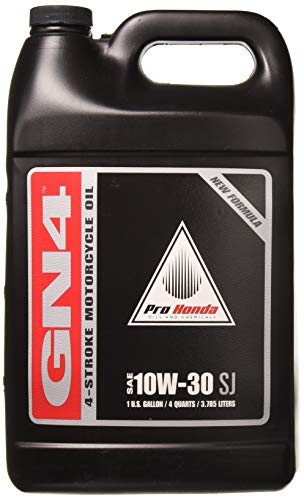
Honda Pro 10W-30 Engine Oil
This guide examines the factors that determine oil change intervals. We look at manufacturer guidelines, driving conditions, and industry standards set by organizations like the API and SAE. By following these insights, you can ensure your engine remains clean and efficient without overspending on maintenance.
Standard Synthetic Oil Change Intervals
For most modern vehicles, the general recommendation for full synthetic oil is between 7,500 and 15,000 miles. This range depends heavily on the specific brand of oil and the vehicle’s engine design. While some high-performance synthetic oils claim to last up to 20,000 miles, adhering to the shorter end of this spectrum is often safer for engine longevity.
Time is also a critical factor, regardless of mileage. Oil degrades over time due to oxidation and moisture accumulation. Manufacturers typically recommend changing synthetic oil at least once every 6 to 12 months, even if the car hasn’t been driven the recommended mileage. This ensures that the oil doesn’t break down and cause corrosion in the engine.
Understanding Severe Driving Conditions
Many vehicle owners follow the “normal” service schedule, but they may actually fall under the “severe” driving category. According to the U.S. Department of Energy, severe driving conditions include frequent short trips of less than 5 miles, driving in extreme temperatures, stop-and-go traffic, towing heavy loads, or driving on dusty roads.
Under these conditions, the engine operates at less than optimal temperature for extended periods, causing moisture and fuel dilution in the oil. If you drive primarily in the city or in a climate with extreme heat or cold, you should follow the severe service schedule. This often requires changing synthetic oil every 5,000 to 7,500 miles to ensure adequate engine protection.
The Importance of the Owner's Manual
The most authoritative source for oil change intervals is your vehicle’s owner’s manual. Vehicle manufacturers conduct extensive testing to determine the exact maintenance schedule for their specific engines. These manuals often provide two schedules: one for normal driving and one for severe driving.
Modern vehicles are often equipped with an Oil Life Monitoring System (OLMS). This computer algorithm tracks engine revolutions, temperature, and driving habits to calculate the precise life of the oil. Relying on this system is generally more accurate than guessing based on mileage alone. If the maintenance light illuminates, it’s time to service the vehicle, regardless of the sticker on the windshield.
API and SAE Oil Standards
When picking synthetic oil, it’s vital to look for certifications from the American Petroleum Institute (API) and the Society of Automotive Engineers (SAE). The API donut symbol on the bottle indicates that the oil meets the current engine protection standards and performance requirements set by engine manufacturers.
The SAE viscosity rating, such as 5W-30, defines the oil’s flow characteristics at different temperatures. Using the wrong viscosity can affect oil pressure and flow, potentially altering the effective interval. Always choose an oil with the viscosity grade specified in your owner’s manual to ensure the oil performs as intended within the expected change interval.
Signs That Oil Needs Changing Early
Even if you’re within the recommended mileage or time frame, certain signs indicate the oil needs to be changed sooner. Dark, dirty oil isn’t always a sign of degradation, as synthetic oils contain detergents that clean the engine. However, if the oil appears milky or opaque, it may indicate coolant contamination, which requires immediate mechanical attention.
Other warning signs include a burning oil smell inside the cabin, increased engine noise, or the smell of raw fuel in the oil. These symptoms suggest the oil has broken down or is contaminated, losing its ability to lubricate and protect engine components. Ignoring these signs can lead to accelerated wear and costly repairs.
The Risks of Extending Intervals Too Far
Extending oil change intervals beyond manufacturer recommendations can void your vehicle’s warranty. Documentation of regular oil changes is often required to honor powertrain warranty claims. Also, oil additives that prevent wear and corrosion eventually deplete, leaving the engine vulnerable to friction and heat.
Old oil can turn into sludge, a gel-like substance that blocks oil passages and starves the engine of lubrication. While synthetic oil is more resistant to sludge than conventional oil, it isn’t immune. Draining the oil at the correct interval removes accumulated acids, combustion byproducts, and metal particles, ensuring the engine stays clean and runs efficiently for years.
Frequently Asked Questions
Can I switch from conventional oil to synthetic oil?
Yes, you can switch from conventional to synthetic oil at any time. Synthetic oils are fully compatible with conventional oils and won’t cause leaks or damage to seals in a properly maintained engine. In fact, switching often provides better protection and cleaning capabilities.
Is it necessary to change the oil filter every time I change the oil?
Yes, you should always replace the oil filter with every oil change. The filter traps contaminants and metal particles. If you leave an old filter on, it’ll immediately dump trapped debris into the fresh oil, reducing the effectiveness of the oil change.
Does synthetic oil leak more than conventional oil?
This is a common myth. Synthetic oil doesn’t cause leaks in engines that are in good condition. However, because synthetic oil flows more efficiently and has better cleaning properties, it can reveal pre-existing leaks that were previously plugged up by sludge buildup from conventional oil.
What happens if I use the wrong viscosity oil?
Using the wrong viscosity can reduce fuel economy and increase engine wear. Oil that’s too thick may not flow quickly enough on startup, while oil that’s too thin may not maintain adequate lubrication at high temperatures. Always consult your manual for the correct SAE grade.
Can I rely solely on the car's oil life monitor?
For the most part, yes. The Oil Life Monitoring System uses algorithms based on real driving data. However, if you drive exclusively in severe conditions or don’t drive the car often enough to reach operating temperature, you should change the oil based on time rather than waiting for the system alert.
The Bottom Line
Determining how often to change synthetic oil requires a balance between manufacturer guidelines and your specific driving habits. While the 3,000-mile rule is a thing of the past, blindly extending intervals to 15,000 miles isn’t always appropriate. By consulting your owner’s manual, understanding severe driving conditions, and adhering to API and SAE standards, you can optimize your maintenance schedule.
Regular oil changes are the most cost-effective insurance for your vehicle’s engine. Using high-quality synthetic oil and changing it at the right intervals ensures maximum performance, fuel efficiency, and engine life.

