Yes, jump starting a car in the rain is generally safe as long as you take proper precautions. The main risk is not electrocution from the battery (12V is too low to cause harm through water), but rather short circuits or sparks near flammable gases. Keep cable clamps dry and avoid touching them together. Follow these guidelines for a safe wet-weather jump start.
Key Risks of Jump Starting in Rain
The biggest concern is hydrogen gas emitted by lead-acid batteries. While rare, a spark can ignite this gas, causing the battery to explode. Rain itself does not increase this risk significantly, but water can create conductive paths. However, modern batteries are sealed and vented, reducing gas release. Another risk is damaging electronics if cables are connected incorrectly; water on connections can worsen this. To minimize danger, always connect cables in the correct order: positive to dead battery, positive to good battery, negative to good battery, then negative to a metal ground on the dead car away from the battery.
Step-by-Step Safe Jump Start in Rain
1. Park both cars close but not touching, turn off ignitions and accessories. 2. Inspect cables for damage; if wet, dry them with a cloth. 3. Connect red clamp to dead battery positive (+). 4. Connect other red clamp to good battery positive (+). 5. Connect black clamp to good battery negative (-). 6. Connect final black clamp to an unpainted metal surface on the dead car’s engine block or chassis, at least 18 inches from the battery. 7. Start the good car, let it run for a few minutes, then try starting the dead car. 8. Once started, disconnect in reverse order. Avoid touching clamps together and keep them off wet ground. If you see heavy rain or standing water, consider moving to a drier location.
When Not to Jump Start in Rain
Do not attempt if the battery is cracked, leaking, or visibly damaged; water can accelerate corrosion and short circuits. Also avoid if there is lightning nearby. If the dead car has a flooded engine (water in intake), do not jump start. For hybrid or electric vehicles, consult the manual; some have high-voltage systems that require special handling. In general, if you are unsure or uncomfortable, call a professional roadside service.
Essential Equipment for Wet Weather
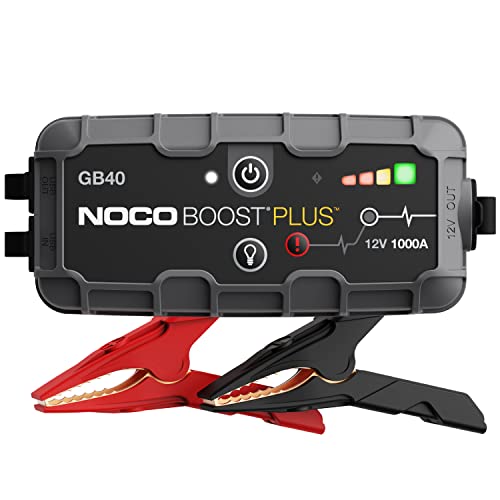
Using a high-quality jump starter with built-in safety features like spark-proof clamps and reverse polarity protection adds an extra layer of safety. Portable jump starters eliminate the need for a second car and reduce cable exposure. Always keep cables dry and store them in a waterproof bag. For routine maintenance, consider a synthetic oil change to ensure your engine starts reliably in all conditions.
Frequently Asked Questions
Can I get electrocuted jump starting in rain?
No, a standard car battery is only 12 volts, which is not enough to cause electrocution through water. However, avoid touching the clamps together or creating a short circuit, which can cause sparks and minor burns.
Should I dry the battery terminals before connecting?
Yes, if the terminals are wet, wipe them with a dry cloth to ensure good contact and reduce the risk of corrosion or short circuits. Do not use any tools that could create sparks.
Is it safe to use a portable jump starter in rain?
Yes, portable jump starters are designed for outdoor use and are generally safe in rain. Keep the unit dry and follow the same connection order. Many have weather-resistant casings.
The Bottom Line
Jump starting in rain is safe with proper caution. Keep cables dry, connect in the correct order, and avoid sparks near the battery. If you are ever in doubt, use a portable jump starter or call for professional help. Being prepared with the right equipment makes the process straightforward even in wet weather.