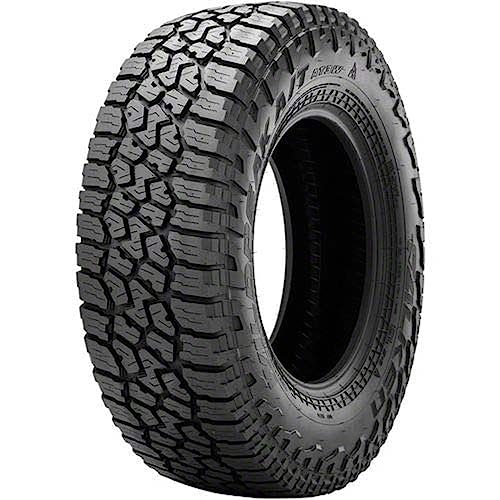
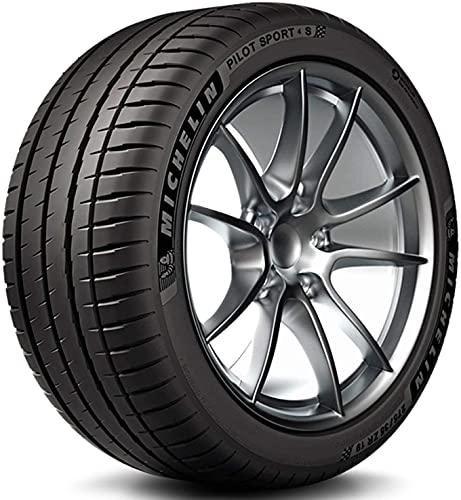
Yes, you can repair trailer tires, but only under specific conditions. Repairs are limited to punctures in the tread area that are less than 1/4 inch in diameter and not within 1 inch of the sidewall. Any damage to the sidewall, shoulder, or a puncture larger than 1/4 inch requires tire replacement. Safety is critical because trailer tires carry heavy loads and are often used at highway speeds, so a failed repair can cause a blowout.
When Can You Repair a Trailer Tire?
Trailer tires can be repaired if the puncture is in the tread area and the tire hasn’t been run flat. The puncture must be 1/4 inch or smaller in diameter and located at least 1 inch away from the sidewall. The tire should also have adequate tread depth (at least 2/32 inch) and no previous repairs. Repairs must be done with a combination patch-plug from the inside, not a simple plug from the outside. This ensures the inner liner is sealed. If the tire has been driven while flat, internal damage is likely, and replacement is safer.
When Should You Replace Instead of Repair?
Replace the tire if the puncture is in the sidewall or shoulder, larger than 1/4 inch, or if there are multiple punctures within 16 inches of each other. Also replace if the tire has been run underinflated or flat, shows bulges, blisters, or cracks, or if the tread is worn below 2/32 inch. Trailer tires that are over 6 years old, regardless of tread depth, should be replaced due to rubber aging. For a trailer used for heavy loads or long trips, erring on the side of replacement is wise. A blowout on a trailer can cause loss of control and damage to the trailer or tow vehicle.
Proper Repair Procedure for Trailer Tires
A safe repair must be performed by a professional. The tire is removed from the rim, inspected internally for damage, and the puncture is reamed and buffed. A combination patch-plug is inserted from the inside, then vulcanized or chemically bonded. The tire is then remounted and balanced. Never use a string plug or external plug alone for a trailer tire, as these can leak and fail under load. Always check the tire’s speed rating and load capacity after repair; the repair doesn’t reduce the rating if done correctly.
Cost Comparison: Repair vs. Replacement
Repairing a trailer tire typically costs $20 to $40, while a new trailer tire ranges from $50 to $150 or more for specialty sizes. However, if the tire is old or worn, replacement is more cost-effective in the long run. A repaired tire should be monitored closely for the first few hundred miles for any loss of pressure or signs of failure. For dual-axle trailers, it’s often recommended to replace tires in pairs to maintain even wear and handling.
Frequently Asked Questions
Can I plug a trailer tire myself?
No, you shouldn’t plug a trailer tire yourself. External plugs are temporary fixes and can fail under the high loads and heat of trailer use. A proper patch-plug repair from the inside is required for safety.
How many times can a trailer tire be repaired?
Most tire manufacturers recommend no more than one repair per tire. Multiple repairs can weaken the tire structure, and if two punctures are within 16 inches of each other, the tire should be replaced.
Does repairing a trailer tire affect its speed rating?
No, a proper repair doesn’t change the tire’s speed rating. However, if the tire is repaired near its limit, it’s wise to reduce speed slightly. Always follow the repair guidelines and the tire manufacturer’s recommendations.
The Bottom Line
Repairing a trailer tire is possible only for small, tread-area punctures when done professionally with a patch-plug. For sidewall damage, large punctures, or aging tires, replacement is the safer choice. Always prioritize safety over cost, because a trailer tire failure can lead to serious accidents. For more tire care tips, check out our guide on tire maintenance.