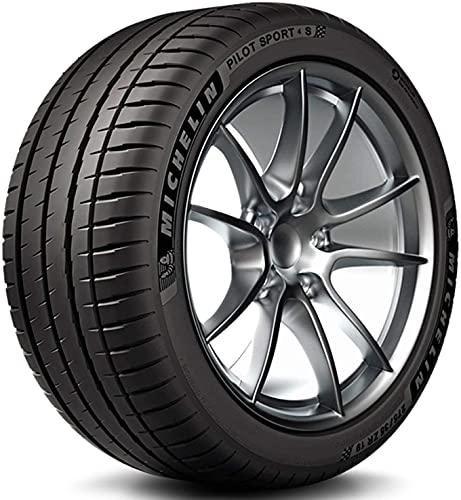
No, you can’t repair a tire to restore its original speed rating. Once a tire is damaged, its speed rating is compromised and can’t be reliably restored through repair. The only safe option is to replace the tire with one that matches the original speed rating or higher. Mixing speed ratings on the same axle or across the vehicle can lead to handling instability and safety risks.
Understanding Tire Speed Ratings
Tire speed ratings indicate the maximum safe speed a tire can sustain under load. They’re represented by letters from L (75 mph) to Y (186 mph). For example, an H-rated tire is safe up to 130 mph, while a V-rated tire handles up to 149 mph. These ratings are determined during manufacturing through rigorous testing and are integral to the tire’s design, including tread pattern, rubber compound, and sidewall construction. Repairing a puncture or cut doesn’t restore the tire’s structural integrity to meet its original speed rating. The patch or plug only seals the hole; it doesn’t reinforce the surrounding area to withstand high-speed forces.
Risks of Repairing a Tire with a Different Speed Rating
Using a repaired tire with a lower speed rating than the vehicle requires can cause excessive heat buildup and potential tread separation at high speeds. Even if the repair holds at low speeds, the tire may fail unpredictably when driven at highway speeds. Also, mixing speed ratings on the same axle (e.g., one H-rated and one V-rated) creates uneven handling, especially during emergency maneuvers or cornering. The vehicle’s stability control systems are calibrated for uniform tire performance, and mismatched ratings can confuse these systems, increasing the risk of loss of control.
Proper Tire Repair and Replacement Guidelines
Industry standards like those from the Tire Industry Association state that only punctures in the tread area (not sidewall) smaller than 1/4 inch can be repaired, and even then, the tire’s speed rating is voided. Most tire manufacturers explicitly recommend replacing a tire if it has been repaired, especially if the vehicle is driven at high speeds. For example, Michelin and Bridgestone advise that repaired tires shouldn’t be used above 50 mph. Therefore, if you need a tire that can safely handle highway speeds, you must replace it with a new tire of the same or higher speed rating. When replacing, always match the speed rating to the vehicle’s original equipment or the speed rating recommended in the owner’s manual. Installing a lower-rated tire than specified is illegal in some regions and voids the tire’s warranty.
Frequently Asked Questions
Can a tire be repaired if the sidewall is damaged?
No, sidewall damage can’t be repaired. The sidewall flexes under load, and any repair would fail due to constant movement. A damaged sidewall requires tire replacement.
What happens if I use a tire with a lower speed rating?
Using a lower speed rating reduces the tire’s maximum safe speed, leading to increased heat and potential blowout. It also affects handling and braking performance, especially at higher speeds.
Is it safe to mix speed ratings on different axles?
Mixing speed ratings on different axles isn’t recommended because it can cause uneven wear and handling differences. For best performance and safety, all four tires should have the same speed rating.
The Bottom Line
Repairing a tire doesn’t restore its speed rating. For safety and performance, always replace a damaged tire with one that matches the original speed rating or higher. Check your vehicle’s owner manual or the tire sidewall for the correct rating. For more tire care tips, see our guide on tire maintenance and replacement.