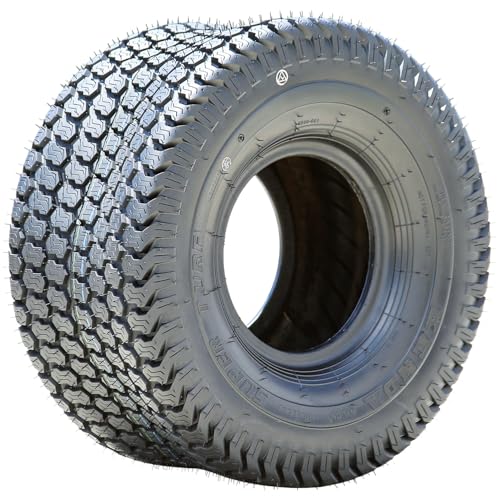
Yes, you can repair mud tires, but only if the damage meets specific criteria. Punctures in the tread area that are less than 1/4 inch in diameter and not in the sidewall are typically repairable. However, sidewall damage, large gashes, or punctures near the shoulder often require tire replacement. Mud tires have thicker tread and tougher sidewalls than highway tires, which can make some repairs more feasible, but also more challenging.
Types of Mud Tire Damage and Repairability
Mud tires face unique hazards like sharp rocks, tree stumps, and metal debris. The location and size of the damage determine if a repair is possible. Tread punctures up to 1/4 inch can often be plugged or patched from the inside. Larger punctures or cuts in the tread may be repairable with a combination plug-patch if the tire shop has the right equipment. Sidewall damage is almost never repairable because the sidewall flexes and a patch can’t hold. Shoulder damage where the tread meets the sidewall is also risky to repair. Any damage that exposes the steel belts or cords inside the tire is a sign the tire is unsafe and should be replaced.
Repair Methods: Plug vs. Patch vs. Plug-Patch
The standard rope plug is a temporary fix for small punctures, but it isn’t a permanent solution for off-road use. A patch applied from the inside after removing the tire is more reliable. The best method is a combination plug-patch (also called a mushroom patch) that seals the hole from both inside and outside. This is the only method recommended by the Tire Industry Association for permanent repairs. For mud tires, the thick rubber and aggressive tread can make it harder to get a good seal with a plug alone. Always have a professional tire shop inspect and repair mud tires, especially if you drive at high speeds or carry heavy loads.
When to Replace Mud Tires Instead of Repairing
You must replace a mud tire if the damage is in the sidewall, the puncture is larger than 1/4 inch, the tire has been driven on while flat (causing internal damage), or the tread depth is below 2/32 inch. Also, if the tire has multiple punctures within close proximity (within 16 inches of each other), replacement is safer. Mud tires are expensive, but a failed repair on the trail can leave you stranded. Consider the age of the tire: if it’s more than 6 years old, replacement may be wise even if repairable. Always check the tire’s load rating and speed rating; a repair may not restore the original performance.
Frequently Asked Questions
Can you plug a mud tire yourself?
You can use a temporary plug kit for an emergency trail fix, but it isn’t a permanent solution. The plug may leak or come out under off-road stress. Have a professional repair the tire with an internal patch as soon as possible.
How much does it cost to repair a mud tire?
Professional repair costs range from $20 to $50 for a simple patch or plug-patch. Some shops charge more for dismounting and remounting. Compare this to the cost of a new mud tire, which can be $200 to $500 or more.
Can run-flat mud tires be repaired?
Run-flat tires have reinforced sidewalls that allow limited driving after a puncture. However, run-flat mud tires are rare. If you have them, check with the manufacturer: many run-flat tires can’t be repaired because the internal structure is compromised after running flat.
The Bottom Line
Repairing mud tires is possible for small tread punctures, but sidewall or large damage means replacement. Always prioritize safety over cost. For more tire care tips, check out our tire guide and best OBD2 scanners for monitoring tire pressure.