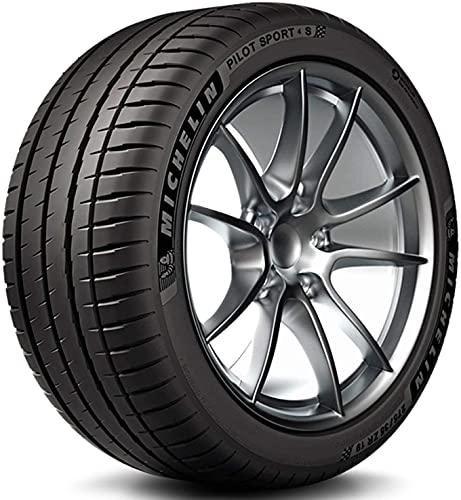
Driving on damaged summer tires isn’t safe and should be avoided. Any visible damage such as cuts, bulges, cracks, or sidewall punctures significantly increases the risk of a sudden blowout, especially at high speeds or in hot weather. Summer tires are designed for optimal grip in warm conditions, but their softer rubber compounds are more susceptible to damage. If you notice any damage, replace the tire immediately rather than risk driving on it.
What Counts as Tire Damage and When Is It Unsafe?
Not all tire damage looks the same, but any compromise to the tire’s structure is a safety hazard. Common types of damage include sidewall bulges (indicating internal belt separation), cuts or punctures larger than 1/4 inch (6 mm) in the tread, and cracks in the rubber due to age or UV exposure. If the damage is in the sidewall, the tire is unsafe to drive on at any speed. Even a small sidewall puncture can lead to rapid air loss. For tread punctures, if the damage is smaller than 1/4 inch and located in the repairable area (not near the shoulder), a professional patch may be possible, but driving on it before repair is risky. Always have a tire shop inspect the damage; if they deem it unrepairable, replace the tire.
Risks of Driving on Damaged Summer Tires
Summer tires have a softer rubber compound that provides excellent dry and wet traction in warm weather, but this also makes them more prone to damage from potholes, curbs, and road debris. Driving on a damaged summer tire increases the risk of a blowout, especially at highway speeds. A blowout can cause loss of vehicle control, leading to accidents. Also, damaged tires can suffer from rapid air loss, uneven wear, and reduced handling performance. Even if the tire holds air, internal damage can worsen over time, leading to sudden failure. If you must drive a short distance (less than a mile) at low speeds (under 30 mph) to reach a repair shop, it may be acceptable with extreme caution, but only if the tire isn’t losing air rapidly and the damage isn’t in the sidewall. Otherwise, use a spare tire or call for roadside assistance.
How to Inspect Summer Tires for Damage
Regular visual inspections are key to catching damage early. Check for bulges or blisters on the sidewall by running your hand over the tire surface (wear gloves to avoid cuts). Look for cuts, cracks, or embedded objects in the tread. Check the tire pressure monthly; a slow leak can indicate a puncture. Also inspect the tread depth: summer tires should have at least 2/32 inch (1.6 mm) of tread, but if they’re worn unevenly, that could signal damage or alignment issues. If you see any of these signs, have the tire professionally inspected. Remember, summer tires aren’t designed for cold temperatures (below 45°F/7°C), as the rubber hardens and becomes more brittle, increasing the risk of cracking. If you live in a region with cold winters, switch to winter tires to avoid damage from cold-related brittleness.
When Can You Repair a Damaged Summer Tire?
Repair is only possible for certain types of damage. The Tire Industry Association and Rubber Manufacturers Association state that a tire can be repaired if the puncture is 1/4 inch (6 mm) or smaller in the tread area (not the shoulder or sidewall) and the tire hasn’t been driven on while flat. The repair must be a combination plug and patch from the inside, not just a plug from the outside. Summer tires with sidewall damage, large punctures, or run-flat damage can’t be safely repaired and must be replaced. Always consult a professional tire technician; don’t attempt a DIY repair on a summer tire if you value safety. For more information on tire maintenance, check out our guide on tire care and selection.
Frequently Asked Questions
Can I drive on a summer tire with a small nail in the tread?
If the nail is in the tread and the tire isn’t losing air rapidly, you can drive slowly (under 50 mph) to a tire shop for repair, but it isn’t recommended for long distances. Have the tire inspected and repaired professionally as soon as possible.
Is it safe to drive on a summer tire with a sidewall bulge?
No. A sidewall bulge indicates internal damage, and the tire is at high risk of blowout. Don’t drive on it; replace the tire immediately or use a spare.
Can I repair a damaged summer tire myself?
No. DIY plug kits are temporary fixes and not safe for long-term use. Proper repair requires removing the tire from the rim, inspecting the inside, and applying a patch-plug combination. Always have a professional handle tire repairs.
The Bottom Line
Driving on damaged summer tires is dangerous and should be avoided. Any visible damage, especially to the sidewall, increases the risk of a sudden blowout and loss of control. If you notice damage, replace the tire or have it professionally repaired if possible. Never compromise on tire safety; your life depends on it. For reliable tire maintenance products, consider our recommendations for OBD2 scanners to monitor tire pressure and other vehicle systems.