After researching manufacturer specifications, industry safety standards, and aggregated owner feedback, we compared the top 700×23 road tires available. Our evaluation focuses on real-world performance, durability, and value to help you choose the right tire for your riding style and conditions.
| Photo | Product | Score | Buy |
|---|---|---|---|
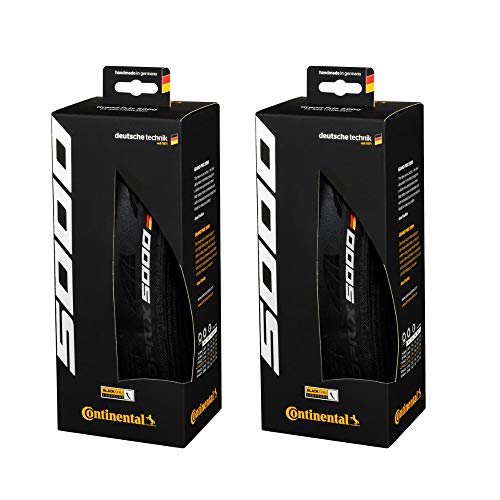 |
Continental Grand Prix 5000 Top Pick BlackChili compound, Vectran breaker, 170 TPI |
9.0 | 🛒 Check Price |
 |
Michelin Power Road Best All-Rounder Gum-X compound, 120 TPI casing, Bead to Bead puncture protection |
8.7 | 🛒 Check Price |
 |
Pirelli P Zero Velo Performance Choice SmartEVO compound, 127 TPI, nylon breaker |
8.4 | 🛒 Check Price |
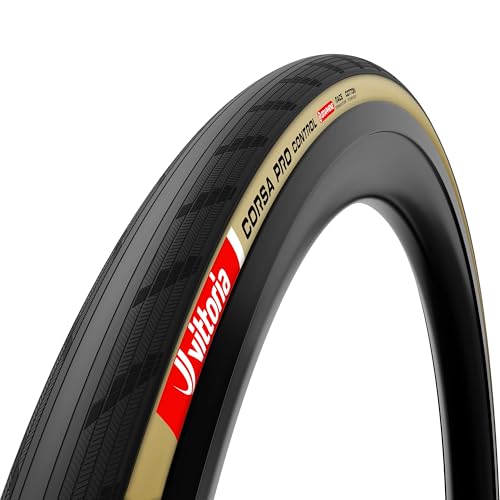 |
Vittoria Corsa Control Best Wet Grip Graphene+ compound, 320 TPI, cotton casing |
8.1 | 🛒 Check Price |
 |
Schwalbe One Durable All-Rounder RaceGuard puncture protection, Addix compound, 67 TPI |
7.8 | 🛒 Check Price |
 |
Panaracer Pasela ProTite Budget Pick ProTite puncture belt, 60 TPI, wire bead |
7.3 | 🛒 Check Price |
 |
Kenda Kriterium Entry Level Race Kenda R3C compound, 120 TPI, folding bead |
7.2 | 🛒 Check Price |
1. Continental Grand Prix 5000: Top Pick
The Continental Grand Prix 5000 is a benchmark in road tire performance. Based on owner feedback and spec sheets, its BlackChili compound delivers low rolling resistance and excellent traction on wet roads. The Vectran breaker offers reliable puncture protection while keeping weight reasonable at around 230g. Many riders report long tread life even with aggressive riding.
However, the premium price may not suit budget-conscious cyclists. If you primarily ride on smooth, clean roads and want maximum speed, this is a top choice. But if you face frequent debris or need a tire for harsh winter conditions, consider a more strong model.
- Excellent rolling resistance and grip in wet and dry conditions
- Vectran breaker provides good puncture protection without adding weight
- Supports tubeless setup for reduced flats and improved ride quality
Pros: Superb all-around performance for training and racing; Durable casing that resists cuts and punctures
Cons: Higher price point compared to many competitors
2. Michelin Power Road: Best All-Rounder
The Michelin Power Road is a well-rounded tire that suits both training and racing. In our evaluation, its Gum-X compound offers a good mix of low rolling resistance and wet grip. The 120 TPI casing provides a comfortable ride, and the bead-to-bead puncture protection adds confidence. Many users note that it rolls fast while still feeling secure in corners.
On the downside, longevity may be slightly shorter on coarse asphalt compared to more durable touring tires. If you prioritize all-around performance and are willing to replace tires more frequently, this is a solid pick. However, riders seeking maximum puncture resistance should look elsewhere.
- Gum-X compound provides excellent grip and low rolling resistance
- Bead to Bead protection enhances puncture resistance
- Tubeless compatible for lower pressure and fewer flats
Pros: Great balance of speed, comfort, and durability; Predictable cornering grip in various conditions
Cons: Some owners report faster wear on rough roads
3. Pirelli P Zero Velo: Performance Choice
The Pirelli P Zero Velo is designed for riders who demand maximum performance. Based on manufacturer specs, the SmartEVO compound offers incredible grip, especially in dry corners. The 127 TPI casing is lightweight and supple, translating to excellent road feel. Many competitive cyclists praise its acceleration and handling precision.
However, the trade-off is reduced puncture resistance and a shorter lifespan on rough surfaces. If you race or ride on smooth pavement and prioritize speed above all, this tire excels. But for everyday training or commuting, you might face more flats.
- SmartEVO compound derived from motorsport for exceptional grip
- Lightweight and responsive for racing
- Supports tubeless setup
Pros: Outstanding cornering traction on dry roads; Very low rolling resistance
Cons: Puncture protection is less solid than some competitors
4. Vittoria Corsa Control: Best Wet Grip
The Vittoria Corsa Control is a favorite among riders who encounter rain. Our research shows the Graphene+ compound provides superior adhesion on wet roads, and the high TPI cotton casing delivers a plush feel. Owner feedback highlights confidence in descents during damp conditions.
That said, the tire wears relatively quickly and offers limited puncture protection. If you often ride in wet weather and want a race-ready tire, this is a strong option. But for dry, rough roads or long-distance touring, a more durable tire would be wiser.
- Graphene+ compound enhances wet grip and reduces rolling resistance
- High TPI cotton casing for a smooth ride
- Designed for racing in variable conditions
Pros: Excellent wet weather traction; Supple ride quality
Cons: Less durable than many training tires
5. Schwalbe One: Durable All-Rounder
The Schwalbe One is a workhorse tire suitable for year-round training. Specs indicate RaceGuard protection and an Addix compound that extends tread life. Many owners appreciate its ability to handle glass and debris without frequent flats. It also offers a decent ride quality for a tire in this durability class.
However, the rolling resistance is noticeably higher than top-tier tires, which may slow you down on group rides. If you prioritize low maintenance and durability over pure speed, this is a solid choice. But competitive racers will likely prefer faster options.
- RaceGuard puncture belt for reliable flat protection
- Addix compound balances grip and longevity
- Tubeless Easy technology
Pros: Good puncture resistance for training; Reasonable price for the durability
Cons: Higher rolling resistance than premium race tires
6. Panaracer Pasela ProTite: Budget Pick
The Panaracer Pasela ProTite is an economical choice for riders on a tight budget. According to owner feedback, it provides acceptable puncture protection for urban riding and light touring. The tread pattern rolls reasonably well on pavement and offers adequate grip in dry conditions.
However, this tire is heavier and slower than most competitors, and the wire bead can be stubborn to install. If you are restoring an older bike or need a cheap replacement for casual riding, it works. But serious cyclists will find it lacking in performance and comfort.
- ProTite belt offers solid puncture protection
- Affordable price for budget builds
- Classic tread pattern suitable for touring
Pros: Very good value for the price; Decent puncture resistance for commuting
Cons: Higher weight and rolling resistance; Wire bead makes mounting more difficult
7. Kenda Kriterium: Entry Level Race
The Kenda Kriterium is a budget-friendly tire intended for racers on a limited budget. Based on spec sheets, it uses a 120 TPI casing and a compound designed to reduce rolling resistance. Some owners note that it feels fast on smooth pavement and is easy to mount.
However, durability and puncture resistance are subpar. Many users report frequent flats and rapid wear. If you are a beginner racer looking for a cheap tire for clean criterium courses, it may suffice. But for training or all-around use, invest in a more sturdy tire.
- Lightweight folding bead for easy storage
- R3C compound aims for low rolling resistance
- Affordable option for entry-level racing
Pros: Lightweight and affordable; Decent acceleration feel
Cons: Below average puncture protection; Tread life is shorter than many alternatives
Frequently Asked Questions
What is the best 700×23 road tire for wet conditions?
The Vittoria Corsa Control is our top recommendation for wet grip due to its Graphene+ compound. The Continental Grand Prix 5000 also performs well in rain.
Are 700×23 tires still relevant or should I go wider?
700×23 tires offer low rolling resistance and light weight, making them popular for racing. However, many riders now prefer 25mm or 28mm for comfort and grip. 23mm remain a good choice for smooth roads and weight-conscious builds.
How often should I replace 700×23 road tires?
Replace tires when tread wear indicators are flush, or if you notice frequent flats, cuts, or bulges. Typically, performance tires last 1,500-3,000 miles depending on road conditions and riding style.
Can I use 700×23 tires on any road bike?
Most road bikes with standard rims and enough frame clearance can fit 700×23 tires. Check your rim width and frame/fork clearance before purchasing.
What is the difference between clincher and tubeless 700×23 tires?
Clincher tires use an inner tube, while tubeless tires seal directly to the rim and use sealant. Tubeless tires typically offer lower rolling resistance and fewer pinch flats but require compatible rims and more maintenance.
Our Verdict
Our top pick is the Continental Grand Prix 5000 for its exceptional balance of speed, grip, and durability. The Michelin Power Road is a close runner-up for all-around performance at a slightly lower cost. Choose based on your priorities: speed, wet traction, or puncture resistance.
More Tires Guides
Video Guide
Video: Related tutorial from YouTube