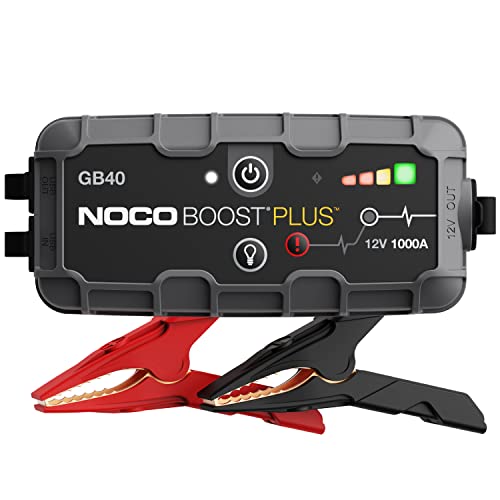
Yes, lithium jump starters can handle cold weather, but their performance drops significantly as temperatures fall. Below 32°F (0°C), battery capacity can decrease, and starting a frozen engine may require multiple attempts. However, with proper precautions, they remain a reliable emergency tool in winter.
How Cold Affects Lithium Jump Starter Performance
Lithium-ion batteries rely on chemical reactions that slow in cold temperatures. At 32°F, capacity drops; at 0°F, it can drop or more. This means a 1000-amp unit might only deliver 500-800 amps effectively. Additionally, internal resistance increases, reducing the available cranking power. Most manufacturers rate their jump starters at 70°F, so expect lower peak amperage in winter.
Tips for Using a Lithium Jump Starter in Cold Weather
Keep the unit warm: store it inside your coat or vehicle cabin (not trunk) before use. Pre-warm it for 10-15 minutes if possible. Connect clamps first, then wait 2-3 minutes before attempting to start. This allows a small current to flow and warm the battery slightly. Avoid repeated cranking: if the engine doesn’t start after 3-5 attempts (each 5 seconds), let the unit rest 30 seconds. Some models have low-temperature protection that shuts off below -4°F (-20°C); check your manual.
Comparing Lithium to Lead-Acid Jump Starters in Cold
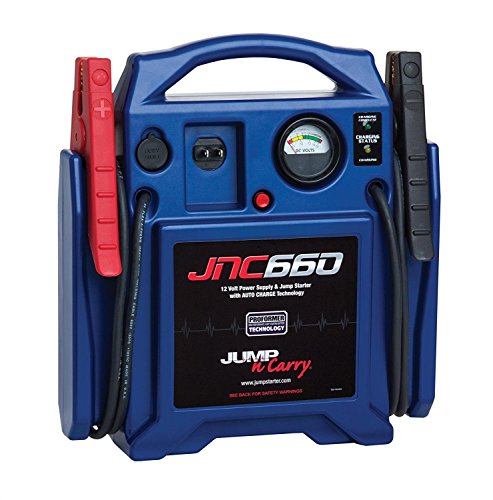
Lead-acid jump starters also lose capacity in cold ( at 32°F), but they are less affected by internal resistance. However, they are heavier and bulkier. Lithium units are lighter and charge faster, but they need more care in extreme cold. For regular winter use, consider a lithium model with a higher cold-cranking amp (CCA) rating than you think you need. For example, a 1500-amp unit for a 4-cylinder engine. Also, look for units with built-in battery heaters or those rated for -20°F operation.
Real-World Considerations and Honest Caveats
In very cold climates (below -10°F), lithium jump starters may fail entirely. If you live in such areas, a portable lead-acid booster pack or a traditional jumper cable set might be more reliable. Also, lithium batteries degrade faster if stored fully charged in extreme cold. Keep them at 50-80% charge when not in use for long periods. Finally, always test your jump starter before winter arrives; a unit that works in summer may struggle when you need it most.
Frequently Asked Questions
Can I leave a lithium jump starter in my car during winter?
It’s not recommended. Extreme cold can damage the battery and reduce its lifespan. Store it indoors when possible, or at least in a heated garage. If you must keep it in the car, place it in an insulated bag.
How long does a lithium jump starter last in cold weather?
Battery life (charge retention) drops faster in cold. A fully charged unit may lose 10-15% of its charge overnight at 0°F. Recharge it every 3-4 months in winter to maintain readiness.
Do I need a special lithium jump starter for cold climates?
Not necessarily, but choose one with a high peak current rating (at least 1000A for V6 engines) and a low-temperature cutoff below -4°F. Some brands offer ‘winter mode’ that delivers a slower, longer crank. Check the specifications.
The Bottom Line
Lithium jump starters can handle cold weather with proper care, but they are not foolproof. Keep the unit warm, understand its limitations, and consider a backup plan for extreme cold. For reliable winter performance, invest in a high-quality model and test it beforehand. If you’re looking for a jump starter, check out our best jump starters guide for cold-weather recommendations.