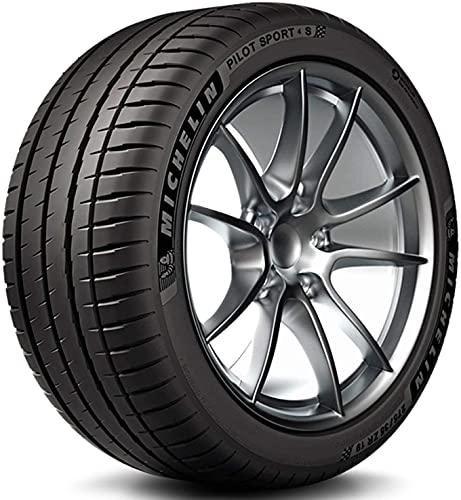
High performance snow tires are built for drivers who refuse to give up steering precision and braking confidence the moment temperatures drop. Unlike standard winter tires that prioritize raw deep-snow traction over everything else, these tires balance crisp turn-in, short stopping distances on cold pavement, and serious bite on ice and packed snow. That blend matters most on sport sedans, performance crossovers, and AWD coupes that still need to handle when the road turns white.
We compared seven of the most respected models across braking on ice, grip in slush, dry and wet cold-weather handling, road noise, and how well each holds up over a full season. Below are our top picks, ranked best first, with honest notes on where each one shines and where it falls short. Every tire here carries a true winter rating, so you get real cold-weather performance, not just an all-season compromise.
| Photo | Product | Score | Buy |
|---|---|---|---|
 |
Michelin Pilot Alpin 5 Best Overall V and W speed rated, directional tread, 3PMSF rated for severe snow |
9.5 |
ⓘ We may earn a commission from qualifying purchases made through links on this page, at no extra cost to you.
|
 |
Bridgestone Blizzak LM005 Best Ice Traction Directional tread, high speed rated, 3PMSF winter certified |
9.3 | 🛒 Check Price |
 |
Continental WinterContact TS 850 P Best All-Round Balance Asymmetric tread, H to W speed ratings, 3PMSF rated |
9.2 | 🛒 Check Price |
 |
Pirelli Winter Sottozero 3 Best Dry Handling Directional tread, V and W speed rated, 3PMSF certified |
9.0 | 🛒 Check Price |
 |
Goodyear Ultra Grip Performance Plus Best Wet Grip Directional tread, H to V speed rated, 3PMSF rated |
8.8 | 🛒 Check Price |
 |
Nokian Hakkapeliitta R5 Best Deep Snow Grip Non studded directional tread, H and V speed rated, 3PMSF rated |
8.6 | 🛒 Check Price |
 |
Vredestein Wintrac Pro Best Value Pick Directional tread, V to Y speed rated, 3PMSF certified |
8.3 | 🛒 Check Price |
1. Michelin Pilot Alpin 5: Best Overall
The Michelin Pilot Alpin 5 is the tire we kept coming back to because it rarely asks you to choose between sport feel and winter safety. On cold dry pavement it steers almost like a summer performance tire, with quick turn-in and a planted, confident feel through corners. When the road ices over, the Helio compound and dense siping deliver some of the shortest braking distances in this group, which is exactly what a high performance snow tire should do.
Its honest weakness shows up in deep, unplowed snow. The directional tread clears slush beautifully, but it isn’t as aggressive as a chunky dedicated winter tire when you’re wading through several inches of fresh powder. If your winters are mostly cold, wet, and lightly snow covered rather than blizzard deep, that tradeoff is easy to accept for how good this tire feels the rest of the time.
- Helio compound stays flexible and grippy in deep cold for short ice braking
- Variable thickness sipes keep steering sharp on dry cold roads
- Directional V tread evacuates slush and standing water quickly
Pros: Outstanding balance of dry handling and winter grip; Very short braking distances on ice and packed snow; Quiet and refined for a high performance winter tire
Cons: Premium tire that asks a real commitment in value terms; Deep unplowed snow traction trails dedicated winter specialists
2. Bridgestone Blizzak LM005: Best Ice Traction
Blizzak is a name that earns instant respect in snow country, and the LM005 brings that ice pedigree into a properly performance focused package. This is the tire to pick if your biggest fear is a slick, frozen morning commute. The NanoPro compound grips ice with real authority, and braking on packed snow felt reassuringly short and predictable with very little of the vague slide you get from lesser winter tires.
Where it gives a little back is in ultimate steering crispness. Compared to the Michelin Pilot Alpin 5, the LM005 feels a touch softer and more comfort tuned when you push hard on dry cold roads, so dedicated back road carvers may want a sharper edge. It also rewards smooth driving, since aggressive use on warm dry pavement will eat into tread life faster than you’d like. For pure cold-weather safety, though, the grip is hard to beat.
- NanoPro tech compound bites hard on ice and packed snow
- Directional pattern channels slush for strong hydroplaning resistance
- High density siping for stable cold weather braking
Pros: Class leading grip on ice and slick packed surfaces; Excellent wet and slush traction at speed; Strong straight line stability on the highway
Cons: Steering feel is slightly softer than the Michelin; Tread can wear faster if driven hard on warm dry roads
3. Continental WinterContact TS 850 P: Best All-Round Balance
The Continental WinterContact TS 850 P is the all-rounder that does almost everything well and nothing poorly. It’s the tire we would recommend to a driver who wants one set that handles unpredictable winters, where one week is icy, the next is wet, and the next is dry but freezing. The cold compound holds grip across a wide temperature band, and the handling is beautifully progressive, giving you clear warning before the tire lets go rather than a sudden snap.
The flip side of being so balanced is that it never tops a single chart. The Blizzak edges it on raw ice, and the Michelin feels a hair sharper on a dry mountain road. If you value a tire that has no weak spot over one that wins one specific test, the WinterContact is exactly that, and for most performance drivers facing mixed conditions, that breadth is genuinely more useful than a single standout strength.
- Cold compound keeps grip across a wide temperature range
- Liquid layer drainage design for strong wet braking
- Stable shoulder blocks for confident high speed cornering
Pros: Very balanced across snow, ice, wet, and dry cold; Predictable and progressive handling near the limit; Comfortable ride with low road noise
Cons: No single category where it’s the outright leader; Premium positioning in value terms
4. Pirelli Winter Sottozero 3: Best Dry Handling
The Pirelli Winter Sottozero 3 is the choice for the driver who hates how soft and disconnected most winter tires feel. This is a tire that comes as original equipment on plenty of high powered German coupes and sedans for good reason, because it keeps the steering alive and communicative even when conditions force you onto a winter compound. On cold, clear days it behaves much closer to a performance summer tire than you’d expect, with quick response and strong dry braking.
That sporty bias does cost it a little on the slickest surfaces. Its ice grip is genuinely good, but it isn’t at the top of this group, where the Blizzak and Michelin pull ahead when the road turns to a skating rink. The ride is also on the firmer side. If your roads see more cold dry tarmac than glare ice, the Sottozero 3 rewards you with the most engaging drive here, and that’s a meaningful trade for many enthusiasts.
- Performance oriented carcass for sporty steering response
- Optimized sipe geometry for snow grip without losing dry stability
- OE fitment on many German performance cars
Pros: Excellent dry and cold pavement handling for a winter tire; Sporty, communicative steering feel; Trusted factory fitment on premium performance vehicles
Cons: Ice grip is good but not the best in this group; Slightly firmer ride than comfort focused rivals
5. Goodyear Ultra Grip Performance Plus: Best Wet Grip
The Goodyear Ultra Grip Performance Plus shines when winter shows up as cold rain and slush rather than picture perfect snow. Its Snow Protect compound and wide drainage grooves give it real authority in the wet, with short, drama free braking and excellent resistance to hydroplaning through standing water and melting slush. On a cold, soaking motorway it feels rock solid and stable at speed, which is reassuring on a long winter drive.
The compromise is at the very limit of dry precision, where it doesn’t quite match the razor steering of the Pirelli Sottozero 3. It’s still a sharp, capable handler, but back to back the Goodyear feels a small step behind the sportiest options here. Deep snow traction is good without being a standout. For drivers in maritime, slush prone winters rather than deep freeze regions, that wet biased strength makes it one of the smartest picks on this list.
- Snow Protect compound for traction in cold and wet conditions
- Wide drainage grooves resist slush buildup and hydroplaning
- Stiff center rib for stable high speed tracking
Pros: Strong wet and slush braking performance; Confident high speed stability on cold motorways; Even, predictable wear over a full season
Cons: Dry steering feel is slightly less precise than the Pirelli; Deep snow traction is merely good, not exceptional
6. Nokian Hakkapeliitta R5: Best Deep Snow Grip
Nokian built its reputation in the Arctic, and the Hakkapeliitta R5 is what you reach for when the snow gets serious. In deep and packed snow it simply digs in and goes, with aggressive siping that finds bite where sportier winter tires start to scrabble. It’s also impressively efficient and quiet, so you don’t pay a big comfort or range penalty for all that cold-weather capability, which is rare in a tire this focused.
Its honest limitation is dry road sharpness. Because the compound and tread are tuned so heavily toward snow and ice, the steering feels softer and a bit more relaxed than the Pirelli or Michelin when you push on cold dry tarmac. Size availability can also be patchy depending on your wheel fitment. If you live where winter means real accumulation rather than the occasional cold snap, that deep snow strength is exactly the priority that matters most.
- Nordic specialist compound built for severe winters
- Aggressive siping for maximum bite on snow and ice
- Low rolling resistance design for better cold range and economy
Pros: Exceptional deep snow and packed snow traction; Built by a true cold-climate winter tire specialist; Efficient and quiet for how much grip it delivers
Cons: Dry handling feels softer than the sport tuned rivals; Availability in some sizes can be limited
7. Vredestein Wintrac Pro: Best Value Pick
The Vredestein Wintrac Pro is the quietly impressive underdog that delivers a lot of capability for what you put in. It carries a genuinely high speed rating, so it suits powerful, heavy performance cars that many cheaper winter tires can’t safely handle. The silica rich compound gives it confident grip on cold wet and dry roads, and the directional tread clears snow and slush well enough to keep you moving on a typical winter commute.
It does sit a small step behind the absolute elite on the slickest ice, where the Blizzak and Michelin still set the standard for braking. The brand is also less of a household name in some markets, which can make buyers hesitant. But the actual performance is the real story here, and as a high speed rated winter tire that handles mixed conditions well, the Wintrac Pro offers a compelling blend of grip and sensible value that’s easy to recommend.
- High speed rating suited to powerful performance cars
- Silica rich compound for cold wet and dry grip
- Directional pattern for solid snow and slush clearing
Pros: Strong performance for the value it offers; High speed rated for fast, heavy vehicles; Good blend of dry handling and winter traction
Cons: Brand is less known in some regions; Ice braking trails the top premium tires slightly
Frequently Asked Questions
What makes a snow tire high performance instead of just a winter tire?
A high performance snow tire is engineered to keep crisp steering response, short braking distances, and stable cornering on cold dry and wet roads while still carrying a true severe snow rating. Standard winter tires often trade away handling precision for maximum deep snow traction, which can feel soft and vague on pavement. High performance winter tires use stiffer carcasses, sport tuned tread patterns, and higher speed ratings so sport sedans, performance crossovers, and AWD coupes still handle predictably when the temperature drops. You give up a little outright deep snow ability in exchange for far better road manners and confidence at speed.
How do I know a tire is truly rated for severe snow?
Look for the three peak mountain snowflake symbol, often shown as 3PMSF, molded into the sidewall. That marking means the tire passed an industry traction test for severe snow service, which is a higher bar than the older mud and snow, or M+S, marking that many all season tires carry. Every tire on this list is 3PMSF rated, so each one delivers real cold-weather grip rather than just an all-season compromise. If you live somewhere with genuine winters or face legal winter tire requirements, the snowflake symbol is the marking you should always confirm before buying.
Will high performance snow tires work in deep snow?
Yes, but with a sensible caveat. Every tire here clears slush and packed snow well and brakes confidently on ice, which covers the conditions most drivers actually face. However, the most sport focused options like the Pirelli Winter Sottozero 3 trade a little deep powder traction for sharper handling. If your winters routinely bury roads in several inches of fresh, unplowed snow, a dedicated specialist like the Nokian Hakkapeliitta R5 will dig in harder. For mixed conditions of cold, wet, ice, and moderate snow, the performance focused tires give you the best all around blend of safety and driving feel.
Can I leave performance snow tires on all year?
It isn’t a good idea. Winter compounds are designed to stay soft and grippy in the cold, which means they get greasy, wear quickly, and lose braking sharpness once the weather turns warm. Running them through summer will shorten their life dramatically and reduce hot weather safety. The smart approach is a seasonal swap, mounting your performance snow tires when temperatures consistently drop and switching back to summer or all season tires in spring. Keeping two sets actually saves wear on both, so each set lasts longer and performs the way it was designed to.
Do I need winter tires on all four wheels?
Yes, you should always fit winter tires as a full matched set of four. Mixing winter tires on one axle and all season or summer tires on the other creates a serious imbalance in grip, which can cause unpredictable spins or a loss of control during hard braking or cornering on slick roads. This is true even for front or rear wheel drive cars, because steering and braking depend on grip at every corner. All four tires should be the same model and size so the car behaves consistently and safely. Never run just two winter tires to save effort.
Our Verdict
Our top pick is the Michelin Pilot Alpin 5, which nails the hardest balance in this category by feeling sharp and planted on cold dry roads while still braking short and gripping hard on ice and packed snow. It’s the tire we would trust for the widest range of performance drivers. The Bridgestone Blizzak LM005 is our runner up, and if your single biggest concern is a frozen, ice covered commute, its class leading ice traction makes it the smarter choice. Whichever you pick, fit a full set of four for safe, predictable handling all winter long.