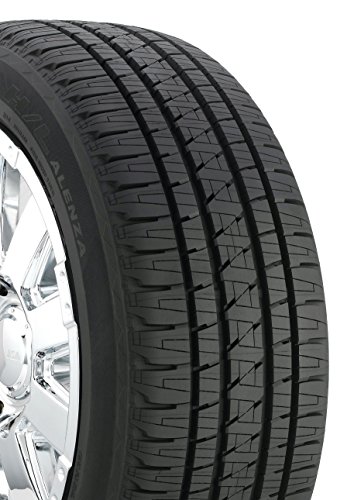
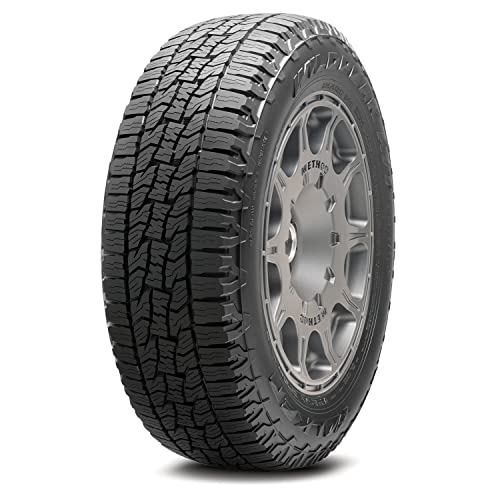
Fixing a mud tire typically costs between $20 and $50 for a simple plug repair, or $30 to $80 for a patch from the inside. For sidewall damage or large punctures, expect $100 to $300 or more, and sometimes the tire must be replaced entirely. The final price depends on the damage type, tire size, and shop rates.
Cost Breakdown by Repair Type
Plug Repair (Tread Area): A plug is the cheapest fix for small punctures (e.g., nails) in the tread. Shops charge $20 to $50 per plug. DIY plug kits cost $10 to $20, but mud tires often have thick rubber that makes plugging harder.
Patch Repair (Internal): A patch involves removing the tire, buffing the inside, and applying a vulcanizing patch. This is more durable than a plug and costs $30 to $80 per patch. Some shops combine a plug and patch (“combination repair”) for $40 to $100.
Sidewall Repair: Sidewall damage on mud tires is risky because the sidewall flexes and carries load. Many shops refuse to repair sidewall punctures. If they do, costs range from $100 to $300, but success isn’t guaranteed. Most experts recommend replacement for sidewall damage.
Bead Leak Repair: Mud tires often get debris between the bead and rim. Cleaning and reseating the bead costs $15 to $40. If the bead is damaged, replacement may be needed.
Factors That Affect Cost
Tire Size and Type: Larger mud tires (35 inches and up) cost more to repair because they require more labor, larger patches, and specialized equipment. Expect a 20-50% premium over standard tire repairs.
Shop Location and Type: Independent tire shops charge $10 to $30 less than dealerships or big chains. Mobile tire repair services add a $25 to $75 trip fee. Off-road specialty shops may charge higher rates but have experience with mud tires.
Damage Severity: A single small puncture is cheap. Multiple punctures, cuts from rocks, or torn lugs increase cost. Torn lugs (chunks missing) often can’t be repaired; the tire must be replaced. Replacement costs for mud tires range from $150 to $600+ per tire.
Warranty and Road Hazard Coverage: If you bought a road hazard warranty, repairs may be free or discounted. Some tire brands offer free repair for the first year. Check your warranty before paying out of pocket.
When Replacement Is Cheaper Than Repair
If the tire has sidewall damage, large cuts (over 1/4 inch), or multiple punctures close together, replacement is safer and often more cost-effective. A new mud tire costs $150 to $600, but a failed repair can cause a blowout, costing more in vehicle damage or accident risk. Also, if the tire is worn (below 4/32 inch tread), replacing it’s better than repairing.
For used mud tires, check if the cost of repair exceeds 50% of a new tire’s price. If so, buy new. For example, repairing a $400 tire for $250 isn’t worth it.
Frequently Asked Questions
Can you plug a mud tire yourself?
Yes, but it’s temporary. Mud tires have thick, tough rubber that can be hard to push a plug through. A DIY plug kit costs $10 to $20, but the repair may not hold under off-road stress. For safety, have a shop patch it from the inside.
Does insurance cover mud tire repair?
Standard auto insurance doesn’t cover tire repairs unless you have comprehensive coverage and the damage is from a covered peril (e.g., hitting a pothole). Some policies cover tire replacement if the damage is from a road hazard. Check with your insurer.
How long does a mud tire repair last?
A proper patch repair can last the life of the tire if done correctly. Plug repairs may last 10,000 to 20,000 miles on-road but can fail sooner off-road. Always monitor the repair for leaks or bulges.
The Bottom Line
Fixing a mud tire costs $20 to $300 depending on the damage and repair method. For tread punctures, a patch is best. For sidewall or severe damage, replace the tire. Always get a quote from a reputable shop, and consider the tire’s age and condition before deciding. To keep your tires in good shape, check out our guide on tire maintenance and the best tools for tire care.