The Subaru Forester is built around symmetrical all-wheel drive, so the tire you choose has a bigger impact on how it actually feels than on most crossovers. The right all-season tire keeps all four contact patches working together, which means better wet braking, quieter highway cruising, and confident traction when a gravel road or a snowy morning shows up unannounced. The wrong tire makes the AWD feel busy, noisy, and vague.
We focused on the sizes the Forester actually wears, most commonly 225/60R17 and 225/55R18, and we weighted our picks toward what Forester owners genuinely use these vehicles for: commuting, road trips, light trails, and four-season weather. Below are seven all-season tires that fit the Forester well, ranked best first, with an honest look at where each one gives a little something up.
| Photo | Product | Score | Buy |
|---|---|---|---|
 |
Michelin CrossClimate2 Best Overall 225/60R17 99H, V-formation directional tread, 60,000 mile warranty |
9.5 |
ⓘ We may earn a commission from qualifying purchases made through links on this page, at no extra cost to you.
|
 |
Continental CrossContact LX25 Best for Comfort 225/60R17 99H, symmetric tread, 70,000 mile warranty |
9.3 | 🛒 Check Price |
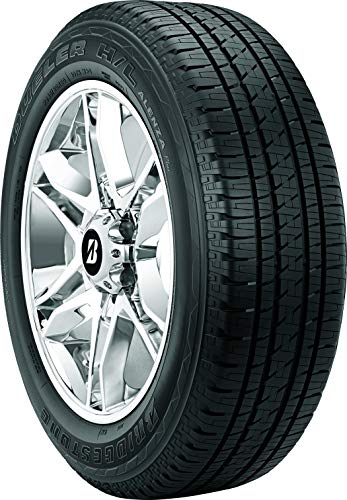 |
Bridgestone Dueler H/L Alenza Plus Best Tread Life 225/55R18 98H, symmetric touring tread, 80,000 mile warranty |
9.1 | 🛒 Check Price |
 |
Goodyear Assurance WeatherReady Best All-Weather 225/60R17 99H, asymmetric tread, 3PMSF rated, 60,000 mile warranty |
9.0 | 🛒 Check Price |
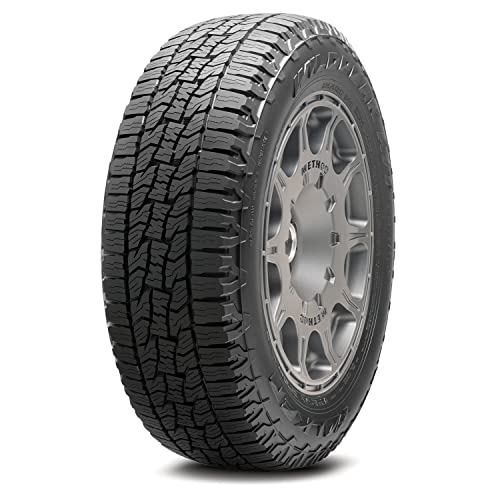 |
Falken WildPeak A/T Trail Best for Light Off-Road 225/60R17 99H, rugged all-terrain crossover tread, 3PMSF rated, 65,000 mile warranty |
8.8 | 🛒 Check Price |
 |
Pirelli Scorpion AS Plus 3 Best Dry Handling 225/55R18 98V, asymmetric tread, 3PMSF rated, 70,000 mile warranty |
8.6 | 🛒 Check Price |
 |
Cooper Discoverer EnduraMax Best Value Pick 225/60R17 99H, all-weather crossover tread, 3PMSF rated, 65,000 mile warranty |
8.3 | 🛒 Check Price |
1. Michelin CrossClimate2: Best Overall
The CrossClimate2 is the tire we would put on our own Forester without hesitation. It earns a 3PMSF severe snow rating, which most all-season tires don’t, so it covers the unexpected cold morning or surprise snow squall far better than a standard all-season. On the Forester’s symmetrical AWD it feels planted and predictable, with wet braking distances that are genuinely class leading. The directional tread clears water and slush quickly, so hydroplaning resistance is excellent.
The honest trade-off is ride character. Because the compound and the stiff, biting tread are tuned to perform in the cold, the CrossClimate2 rides a touch firmer than a pure comfort touring tire, and it isn’t the quietest tire here on coarse highway concrete. If absolute plushness is your top priority you may notice it, but for almost every Forester owner the all-weather security is well worth that small compromise.
- Thermal Adaptive tread compound that stays pliable in cold and warm temperatures
- 3PMSF severe snow rating for genuine light winter traction
- Directional V-shaped grooves for strong wet and slush evacuation
Pros: Outstanding wet and light-snow braking for an all-season tire; Holds grip in cold weather where normal all-seasons go hard; Even, long-lasting wear on a Forester's AWD system
Cons: Slightly firmer ride than a dedicated touring tire; Not the quietest option at sustained highway speeds
2. Continental CrossContact LX25: Best for Comfort
If your Forester lives mostly on pavement and you value a hushed, relaxed cabin, the CrossContact LX25 is the easy choice. Continental designed it specifically for crossovers, and it shows in how settled the Forester feels at speed. Road noise is among the lowest in this group, the ride takes the edge off rough surfaces, and the low rolling resistance compound is kind to your fuel economy on long commutes. The 70,000 mile warranty also makes it one of the more reassuring long-haul picks here.
Where it gives ground is true winter performance. The LX25 is a comfort-focused all-season, not a snow specialist, so it lacks the 3PMSF rating and the deep biting edges of the CrossClimate2. In dry and wet conditions it’s excellent, and in light snow it’s fine, but if you regularly face real winter you should pair it with a dedicated set of winter tires rather than lean on it alone.
- EcoPlus technology compound for low rolling resistance and long life
- Quiet symmetric tread pattern tuned for crossovers and SUVs
- Comfort Ride underlay that absorbs road imperfections
Pros: Very quiet and smooth on the highway; Long 70,000 mile treadwear warranty; Helps protect the Forester's fuel economy
Cons: Light snow traction is adequate rather than strong; Not 3PMSF rated for severe winter use
3. Bridgestone Dueler H/L Alenza Plus: Best Tread Life
For Forester owners who pile on the miles, the Dueler Alenza Plus is hard to beat on sheer durability. Its 80,000 mile warranty is among the longest of any all-season touring tire, and the long-link carbon compound is engineered to wear slowly and evenly, which suits the Forester’s all-wheel drive that loads all four corners. On the road it’s quiet and composed, with the kind of stable, drama-free highway ride that makes road trips easy.
The compromise for that longevity is ultimate wet performance. The harder, long-wearing compound doesn’t bite quite as hard in heavy rain as a softer-focused tire, and light snow traction is only modest. For a dry-climate commuter who wants to mount a set and forget about them for years, it’s a superb fit, but a wetter or snowier region may want a grippier option.
- 80,000 mile treadwear warranty, one of the longest available
- Long-link carbon compound for slow, even wear
- Optimized footprint shape that spreads load across the AWD system
Pros: Exceptional tread longevity for high-mileage drivers; Smooth, quiet highway manners; Stable and confident dry handling
Cons: Wet grip trails the very best tires here; Light snow capability is modest
4. Goodyear Assurance WeatherReady: Best All-Weather
The Assurance WeatherReady is Goodyear’s answer to drivers who want one tire that handles everything, and it fits the Forester’s go-anywhere personality. Like the CrossClimate2 it carries a 3PMSF rating, so it delivers genuine light-snow capability alongside dependable wet grip. The clever part is the evolving tread: as the tire wears, new grooves and biting edges open up, so traction holds up better over the life of the tire than on many competitors.
It isn’t quite as sharp as the Michelin in outright wet braking, and the dry steering feel is a touch softer and more relaxed, which some drivers like and others find a little numb. There’s also a bit more tread noise than the quietest touring tires here. None of that undercuts its core appeal, which is being a true four-season tire that lets a Forester owner skip the seasonal swap.
- 3PMSF severe snow rating for year-round confidence
- Evolving Traction Grooves that open as the tire wears
- Sweeping Tread-Life Technology for biting edges in snow and rain
Pros: Strong wet and light-snow traction in one tire; Maintains grip as the tread wears down; A true four-season option without swapping tires
Cons: Slightly more road noise than a pure touring tire; Dry steering feel is a little softer than rivals
5. Falken WildPeak A/T Trail: Best for Light Off-Road
For the Forester owner who actually uses the AWD on forest roads, trailheads, and gravel, the WildPeak A/T Trail bridges the gap between a street tire and a full all-terrain without going overboard. It’s built specifically for crossovers, so it comes in true Forester sizes and keeps a manageable on-road manner while adding real bite on loose surfaces. It’s 3PMSF rated too, so the trail capability doesn’t cost you winter security, and the tougher sidewall shrugs off the sharp rocks that can pinch a softer touring tire.
The cost of that ability is on-road refinement. The more aggressive tread generates more noise than a touring tire at highway speed, and the rolling resistance is a little higher, so you’ll see a small hit to fuel economy. If your Forester rarely leaves pavement, this is more tire than you need, but for genuine adventure use it’s one of the best-matched choices on this list.
- Crossover-specific all-terrain design that fits Forester sizes
- 3PMSF rated with full-depth sipes for snow and mud
- Tougher sidewall construction for gravel and trail use
Pros: Genuine light off-road and gravel capability; 3PMSF rated for winter traction; Rugged, adventure-ready look that suits the Forester
Cons: Noisier than touring tires on the highway; Slightly higher rolling resistance affects fuel economy
6. Pirelli Scorpion AS Plus 3: Best Dry Handling
The Scorpion AS Plus 3 is for the Forester driver who enjoys the act of driving and wants crisp, willing responses from an all-season tire. Pirelli’s asymmetric tread gives it noticeably sharper turn-in than the soft touring tires here, so the Forester feels more eager and connected on a winding road. It also carries a 3PMSF rating and a 70,000 mile warranty, so the sporty character doesn’t come at the expense of winter readiness or longevity, which is a genuinely strong combination.
That handling focus does firm up the ride a little, so it isn’t as cushioned over broken pavement as the Continental or the Dueler. Wet grip is good and safe, though it doesn’t quite reach the very top tier set by the CrossClimate2. If you want an all-season that makes your Forester feel lighter on its feet while still covering all four seasons, this is an excellent and slightly different pick.
- Asymmetric tread tuned for responsive crossover handling
- 3PMSF rated for confident light-snow performance
- 70,000 mile warranty with even-wear design
Pros: Sharp, responsive steering and dry grip; 3PMSF rated for winter readiness; Long treadwear warranty
Cons: Ride is firmer than comfort-focused rivals; Wet performance is good but not class leading
7. Cooper Discoverer EnduraMax: Best Value Pick
The Discoverer EnduraMax is the smart value pick for Forester owners who want most of the all-weather security of the premium tires without stretching the budget. It’s purpose-built for crossovers and SUVs, it carries a 3PMSF rating, and its aggressive siping and TractionEdge grooves give it genuinely capable grip in rain and light snow. The chamfered tread elements also help it survive the broken edges and rough patches that wear out softer tires prematurely, so it holds up well in real-world conditions.
It doesn’t match the polish of the most expensive options. There’s a little more highway noise than a premium touring tire, and the dry handling is dependable rather than playful. But the balance of four-season traction, durability, and value it offers makes it an easy recommendation for the practical Forester owner who wants honest all-around performance without paying for the badge.
- 3PMSF rated all-weather tire built for crossovers and SUVs
- TractionEdge grooves and aggressive siping for wet and snow grip
- Chamfered tread elements that resist tearing on rough roads
Pros: Strong four-season grip for the value; 3PMSF rated for real winter capability; Durable construction that handles rough roads well
Cons: Highway noise is slightly higher than premium touring tires; Dry handling is competent rather than sporty
Frequently Asked Questions
What size tires does the Subaru Forester use?
Most modern Subaru Foresters use either 225/60R17 or 225/55R18, depending on the trim and wheel package. Base and mid trims typically run the 17 inch size, while Sport, Limited, and Touring trims often wear the 18 inch wheel. Always check the placard inside your driver’s door jamb or your current sidewall to confirm the exact size, load index, and speed rating before you buy, since fitting the correct size keeps the symmetrical AWD system balanced and your speedometer accurate.
Do I need 3PMSF rated tires for a Subaru Forester?
You don’t strictly need them, but they’re a smart match for what a Forester is built to do. The three-peak mountain snowflake rating means the tire has passed a real snow traction test, so options like the Michelin CrossClimate2, Goodyear WeatherReady, and Cooper EnduraMax give you genuine cold-weather capability without swapping tires. If you live where winters are mild, a standard all-season touring tire is fine. If you see regular snow, a 3PMSF all-weather tire, or a dedicated winter set, is the safer route.
Why is matching tires important on a Subaru with AWD?
Subaru’s symmetrical all-wheel drive sends power to all four wheels and is sensitive to differences in rolling diameter between tires. If one tire is significantly more worn, a different size, or a different model, the system sees a mismatch that can strain the center differential and cause drivetrain wear. For that reason Subaru recommends replacing all four tires together and keeping them the same brand, model, and size, with tread depths within a small margin of each other.
How long do all-season tires last on a Forester?
It depends on the tire and how you drive, but most quality all-season tires on a Forester last between 50,000 and 80,000 miles. Long-wear options like the Bridgestone Dueler Alenza Plus carry an 80,000 mile warranty, while grippier or all-weather focused tires often sit in the 60,000 to 70,000 mile range. Regular rotation every 5,000 to 7,500 miles, correct inflation, and proper alignment all help the Forester’s AWD wear its tires evenly and reach the high end of that range.
Can I use all-terrain tires on a Subaru Forester?
Yes, and for owners who do light trails or gravel it can be a great fit, as long as you choose a crossover-oriented all-terrain like the Falken WildPeak A/T Trail rather than a heavy truck tire. These tires come in proper Forester sizes, keep reasonable on-road manners, and add real grip on loose surfaces. The trade-offs are a bit more road noise and slightly lower fuel economy, so if your Forester rarely leaves pavement a touring all-season will be quieter and more efficient.
Our Verdict
For most Subaru Forester owners, the Michelin CrossClimate2 is our top pick. It blends class-leading wet braking with a genuine 3PMSF snow rating and long, even wear, which perfectly matches the four-season, go-anywhere nature of the Forester’s symmetrical AWD. If your priority is a quieter, plusher cabin and you mostly drive on pavement, the Continental CrossContact LX25 is the runner up, offering excellent comfort, low noise, and a long treadwear warranty. Choose based on your climate and how often you stray off the highway, and you can’t go wrong with either.