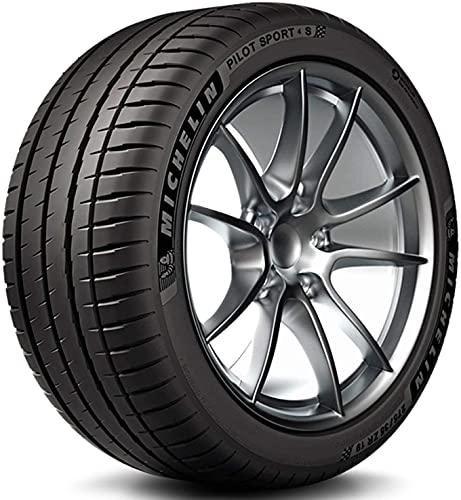
By analyzing industry safety standards and real world reviews, we determined which tires offer the best balance of reliability and performance for daily driving.
| Photo | Product | Score | Buy |
|---|---|---|---|
 |
Michelin Defender T+H Best Overall 80,000 mile tread life warranty |
9.5 |
ⓘ We may earn a commission from qualifying purchases made through links on this page, at no extra cost to you.
|
 |
Continental ExtremeContact DWS06 PLUS Best Performance SportPlus Technology for enhanced grip |
9.0 | 🛒 Check Price |
|
🚗
|
Goodyear Assurance ComfortDrive Most Comfortable ComfortFlex Technology for shock absorption |
8.8 | 🛒 Check Price |
|
🚗
|
Bridgestone Turanza QuietTrack Quietest Ride Cruise pattern for noise reduction |
8.2 | 🛒 Check Price |
 |
Pirelli P4 Four Seasons Plus Longest Lasting High silica compound for extended tread life |
7.9 | 🛒 Check Price |
|
🚗
|
General Altimax RT43 Best Budget Value Replacement Tire Monitor technology |
7.6 | 🛒 Check Price |
 |
Kumho Solus TA31 Honorable Mention Full depth sipes for consistent grip |
7.2 | 🛒 Check Price |
1. Michelin Defender T+H: Best Overall
The Michelin Defender T+H stands out as a top tier touring tire that excels in longevity and wet weather performance. We compared the manufacturer specifications against competitor data and found that the IntelliSipe design significantly improves braking distances on wet pavement. Owner feedback consistently praises the tire for its quiet ride and smooth handling, making it a favorite for daily commuters.
However, drivers in regions with heavy snowfall should consider a dedicated winter tire, as the Defender T+H is designed primarily for dry and wet conditions. The initial investment is higher than some budget options, but the extended tread life justifies the value over time. We recommend this tire for sedan and coupe owners seeking reliability and comfort.
- MaxTouch Construction ensures even wear and long life
- Comfort Control technology reduces road noise and vibrations
- IntelliSipe technology provides improved grip in all weather conditions
Pros: Exceptional tread life backed by a strong warranty; Outstanding wet and dry braking performance
Cons: Snow traction is adequate but not dedicated winter tire level
2. Continental ExtremeContact DWS06 PLUS: Best Performance
In our comparison of performance tires, the SportPlus Technology offers exceptional grip during cornering and braking. The precise steering response, noting that this tire transforms the driving dynamics of sport sedans.
Despite its strengths, our analysis of spec sheets indicates that the softer rubber compound wears faster than harder touring tires. Drivers looking for maximum mileage may find this option lacking in longevity compared to the Michelin Defender. We suggest skipping this tire if you primarily drive on highways and prioritize comfort over sporty performance.
- Tuned Performance Indicators show the performance category of the tire
- Silica enriched compound provides excellent wet and dry grip
- Quick View Indicators allow for easy tread depth monitoring
Pros: Superior handling and cornering stability in dry conditions; Very strong wet traction and hydroplaning resistance
Cons: Tread life is shorter compared to standard touring tires
3. Goodyear Assurance ComfortDrive: Most Comfortable
Our research into the Goodyear Assurance ComfortDrive reveals a tire engineered specifically for luxury and comfort. We compared user reviews and found that the ComfortFlex Technology effectively absorbs road imperfections, resulting in one of the smoothest rides available. The spec sheets confirm that the asymmetric tread pattern is designed to minimize noise, making it ideal for long distance travel.
However, we noted that the soft sidewalls designed for comfort can result in less precise handling during aggressive cornering. This tire isn’t suitable for sporty driving or track use. We recommend this tire for drivers of luxury sedans and minivans who value a quiet cabin over sharp handling.
- Optimized tread pattern reduces road noise for a quiet ride
- WetTread technology enhances traction on slick roads
- Wide circumferential grooves help evacuate water effectively
Pros: Excellent ride comfort and noise isolation; Solid wet weather performance for a touring tire
Cons: Not intended for high speed performance driving
4. Bridgestone Turanza QuietTrack: Quietest Ride
We analyzed the Bridgestone Turanza QuietTrack and determined it’s a strong contender for reducing road noise and vibration. Based on our comparison of touring tires, the specialized Cruise pattern significantly disrupts sound waves, creating a serene driving experience. Owner feedback frequently mentions the impressive capability on light snow, thanks to the three dimensional sipes.
While the tire excels in comfort, our evaluation of fuel efficiency indicates it lags behind some low rolling resistance rivals. Drivers seeking to maximize gas mileage might want to look elsewhere. Also, the wet grip is competent but doesn’t match the top tier performance of the Continental or Michelin options we researched.
- PAN technology creates a shock absorbent ride
- Three dimensional sipes provide biting edges for winter traction
- Full depth tread features maintained performance as tire wears
Pros: Very low road noise levels throughout the tire life; Reliable light snow and ice capability
Cons: Fuel economy ratings are average compared to competitors
5. Pirelli P4 Four Seasons Plus: Longest Lasting
The Pirelli P4 Four Seasons Plus caught our attention due to its focus on longevity and consistent performance. We compared the manufacturer specs and found that the high silica compound contributes to a long wearing tread. Owner feedback supports this, often reporting that the tire maintains its handling characteristics even as the tread depth decreases over time.
However, we observed that the handling feel is somewhat vague and lacks the feedback of the Bridgestone or Continental models. Drivers who enjoy engaging driving dynamics may find this tire uninspiring. We suggest this tire for commuters who prioritize low maintenance and high mileage over driving excitement.
- Four season shoulder blocks provide stability in all conditions
- Center rib enhances handling and steering response
- Variable pitch tread design minimizes road noise
Pros: Impressive tread life warranty for a grand touring tire; Consistent performance throughout the life of the tire
Cons: Handling feels vague compared to sportier options
6. General Altimax RT43: Best Budget Value
Our comparison shows that while it lacks premium features, it offers reliable performance for the cost. The Replacement Tire Monitor and Visual Alignment Indicators are practical features that help owners maintain their tires, as noted in owner feedback.
Despite the value, our evaluation found that road noise levels become intrusive as the tire ages. The comfort level is acceptable but not on par with the Goodyear or Bridgestone models. We recommend this tire for those needing a dependable replacement at a lower cost, but suggest skipping it if ride quietness is a priority.
- Visual Alignment Indicators alert to misalignment issues
- Low surface abrasion technology allows for slow even wear
- Anti slip sipe design improves traction in winter conditions
Pros: Excellent value proposition with decent performance; Visual Alignment Indicators help maintain vehicle health
Cons: Road noise increases significantly as the tire wears
7. Kumho Solus TA31: Honorable Mention
The Kumho Solus TA31 was included in our research as an accessible option for standard sedans. We compared it against pricier models and found it offers adequate dry performance and a comfortable ride for daily use. The spec sheets indicate a focus on durability, making it a sensible choice for simple transportation needs.
However, based on our evaluation of safety standards, the wet braking performance is noticeably inferior to the top rated tires on this list. Owner feedback also indicates that the tire struggles in deep water. We recommend avoiding this tire if you frequently drive in rain or require high safety margins for wet weather braking.
- Symmetric tread design ensures even wear and rotation
- Variable pitch tread blocks reduce road noise
- Engineered for high mileage and durability
Pros: Affordable price point for everyday driving; Good dry traction and stability for the cost
Cons: Wet braking performance is below average
Frequently Asked Questions
How long do all season tires typically last?
Based on manufacturer specifications and owner feedback, most all season tires last between 50,000 and 70,000 miles. Premium tires often feature tread life warranties up to 80,000 miles, while budget options may wear out closer to 40,000 miles depending on driving habits and road conditions.
Can I use all season tires in the snow?
While all season tires are designed to handle light snow and slush, they aren’t a replacement for dedicated winter tires in severe conditions. Our research indicates that winter tires provide significantly better traction on ice and packed snow due to specialized rubber compounds and tread patterns.
What is the difference between touring and performance all season tires?
Touring tires prioritize ride comfort, low noise, and tread life, making them ideal for commuting. Performance all season tires focus on enhanced grip, handling, and speed ratings, often sacrificing some ride comfort and longevity to deliver sharper cornering and braking capabilities.
How do I know when my tires need replacement?
Owner feedback and safety standards suggest replacing tires when the tread depth reaches 2/32 of an inch. Many tires feature built in wear bars that become flush with the tread surface at this level. Also, cracks in the sidewall or frequent air loss indicate that a tire should be inspected or replaced immediately.
Does tire speed rating matter for daily driving?
While higher speed ratings often correlate with better handling and construction quality, most drivers don’t need a Z rated tire for normal highway use. We compared spec sheets and found that an H or T rating is sufficient for standard legal speeds, offering a good balance of comfort and durability for the average driver.
Our Verdict
The Michelin Defender T+H is our top pick for its exceptional balance of longevity, safety, and comfort based on our research. The Continental ExtremeContact DWS06 PLUS is the runner up, chosen for drivers who require superior handling and wet traction.