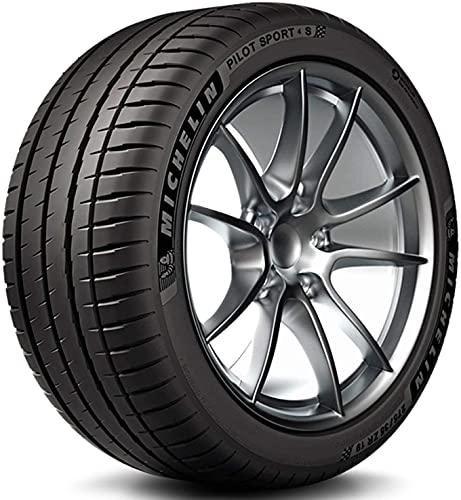
All-season tires typically last 50,000 to 70,000 miles, which works out to three to five years for the average driver. Manufacturer treadwear warranties in that range back up the number, but real life bends it in both directions: hard cornering, underinflation, skipped rotations, and hot climates can halve tire life, while gentle highway miles on a properly maintained set can stretch past the warranty. Age matters independently of tread too, because rubber degrades chemically even on a parked car.
What Shortens Tire Life Most
Underinflation is the quiet killer: a tire run 20 percent low flexes more, runs hotter, and wears its shoulders fast, losing thousands of miles of life while looking perfectly normal. Skipped rotations let front tires, which steer and carry engine weight, wear far faster than rears. Misalignment shaves rubber in stripes, aggressive driving scrubs it off in corners, and underloaded pickup rears or overloaded trunks each print their own wear pattern. Almost every premature tire death traces back to one of these, not to the tire itself.
Miles Versus Years: Both Clocks Count
Tread depth measures one lifespan, rubber age the other. Most manufacturers say inspect annually after five years and replace at ten regardless of tread, because oxidation stiffens and cracks the compound; a garage queen with deep tread can still be unsafe. Find the tire’s birthday in the DOT code on the sidewall: the last four digits are week and year of manufacture, so 3523 means the 35th week of 2023.
Reading the Wear Signs
The built-in wear bars sit at 2/32 inch, the legal minimum in most states, but wet grip degrades noticeably below 4/32, which is when replacement shopping should start. The quarter test beats the penny test for that reason: insert a quarter head-down in the groove, and if the tread doesn’t reach Washington’s head, you’re at or below 4/32. Check multiple grooves across each tire, because edge-only wear tells an inflation story and one-side wear an alignment story, both fixable before they eat the next set too.
Frequently Asked Questions
Should I replace all four tires at once?
Ideally yes, and on all-wheel-drive vehicles it’s often required, since mismatched diameters strain the drivetrain. On two-wheel-drive cars you can replace in pairs, putting the new pair on the rear for wet stability.
Do cheap all-season tires wear faster than premium ones?
Often, though the bigger gap is usually grip and noise rather than mileage. Budget tires with long warranties exist; what you sacrifice is wet braking distance, which matters more than an extra season of wear.
How often should I rotate all-season tires?
Every 5,000 to 7,500 miles, or with every oil change as a memory aid. Rotation evens the wear so the set ages together instead of two at a time.
The Bottom Line
Plan on 50,000 to 70,000 miles from all-season tires, keep them inflated, rotated, and aligned to actually collect those miles, and start shopping at 4/32 tread or the tenth birthday, whichever arrives first. The maintenance habits cost minutes; the tires they save cost hundreds.