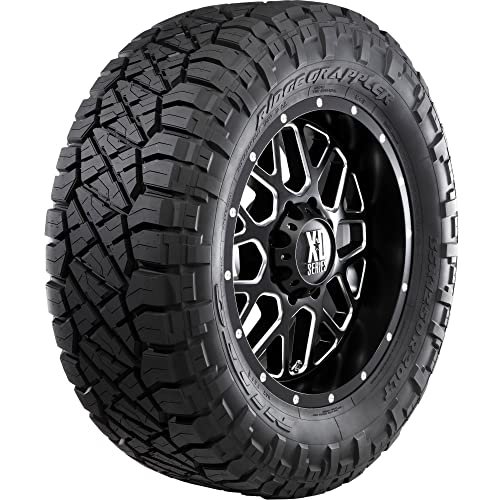
Tire balancing should be replaced when you feel vibrations in the steering wheel or seat, notice uneven tire wear, or after a tire repair or rotation. Balancing compensates for small weight imbalances that develop as tires wear, and ignoring it can lead to a rough ride and premature tire replacement.
Signs You Need Tire Balancing
Vibration at Highway Speeds: The most common sign is a steering wheel or seat vibration, typically felt between 50-70 mph. This indicates the tire and wheel assembly is out of balance. If the vibration is in the steering wheel, the front tires are likely the issue; seat vibration suggests rear tires.
Uneven or Cupped Tire Wear: Out-of-balance tires can cause scalloped or cupped wear patterns. Run your hand across the tread; if you feel dips or high spots, balancing may be needed. However, cupping can also indicate suspension problems, so check both.
Balancing Weights Falling Off: If you see missing weights on the wheel rim, the balance is compromised. Weights can detach from road debris or improper installation. Replace balancing immediately if weights are missing.
How Often Should You Balance Tires?
Industry recommendations vary, but most mechanics suggest balancing every 5,000-6,000 miles, which aligns with tire rotation intervals. However, this is a guideline, not a strict rule. Many modern tires hold balance well, and you may not need balancing that often if you don’t feel vibrations.
Honest caveat: Some shops push balancing at every oil change (every 3,000-5,000 miles) to increase revenue. Unless you have symptoms, balancing every other rotation is often sufficient. For high-performance tires or low-profile tires, balancing may be needed more frequently due to stiffer sidewalls transmitting vibrations more easily.
Cost of Tire Balancing
Balancing typically costs $15-$50 per tire at a tire shop or dealership. Many shops offer free balancing if you purchase tires from them. Road hazard warranties often include free balancing for the life of the tire, so check your warranty.
If you have a tire repaired or patched, balancing should always be done afterward. Similarly, when mounting new tires, balancing is mandatory. Some shops charge separately for balancing even with new tires, so ask upfront.
Balancing vs. Alignment: What’s the Difference?
Balancing corrects weight distribution around the tire/wheel assembly, while alignment adjusts the angles of the suspension. Symptoms can overlap: both can cause vibration and uneven wear. A simple test: if vibration is speed-dependent (worse at certain speeds), it’s likely balance. If the car pulls to one side or the steering wheel is off-center, it’s alignment. Many shops offer a combined service, but they’re separate repairs.
Frequently Asked Questions
Can I balance tires myself?
DIY balancing isn’t recommended. It requires a specialized machine to spin the tire and identify heavy spots. Some products claim to balance tires with beads or liquids, but these aren’t as effective as professional spin balancing and can damage TPMS sensors.
Does tire balancing affect fuel economy?
Yes, out-of-balance tires increase rolling resistance, which can lower fuel economy. Proper balancing reduces vibration and drag, helping maintain optimal fuel efficiency.
How long does tire balancing last?
Balancing can last 5,000-10,000 miles, but it depends on driving conditions, road quality, and tire wear. Potholes, curb impacts, and off-road driving can knock wheels out of balance sooner. There’s no set lifespan; balance when symptoms appear.
The Bottom Line
Replace tire balancing when you feel vibrations, see uneven wear, or after tire service. Don’t let shops upsell you on unnecessary balancing; stick to a schedule of every 10,000-15,000 miles or when symptoms arise. For more tire care tips, check out our guide on best tire practices and diagnosing car issues with OBD2 scanners.