Winter tires problems are typically caused by improper storage, incorrect tire pressure, and worn tread depth. The most common issues include reduced traction, cracking, and poor performance in cold weather. Understanding these causes helps you maintain your tires and stay safe on icy roads.
1. Improper Storage and Temperature Effects
Storing winter tires in extreme heat or direct sunlight can cause the rubber compound to harden or crack. Always store them in a cool, dry place away from sunlight. Temperatures above 90°F (32°C) accelerate rubber degradation. Also, mounting tires too early or late in the season exposes them to conditions they aren’t designed for, reducing their lifespan by.
2. Incorrect Tire Pressure
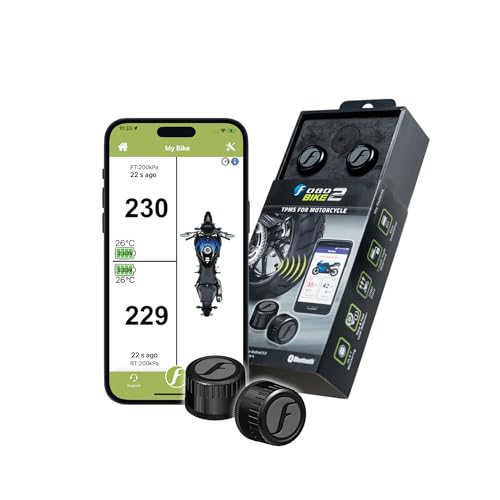
Under-inflation is a leading cause of winter tire problems. Cold weather drops tire pressure by 1-2 PSI for every 10°F (5.6°C) decrease. Driving with low pressure increases rolling resistance, reduces traction, and can cause sidewall damage. Check pressure monthly and maintain the manufacturer’s recommended PSI, typically 32-35 PSI for most vehicles. Over-inflation also reduces grip on snow and ice.
3. Worn Tread Depth
Winter tires lose effectiveness once tread depth falls below 6/32 inch (4.8 mm). Many drivers mistakenly think they’re fine until 2/32 inch, but that’s the legal minimum for summer tires. For snow and ice, you need at least 5/32 inch (4 mm) for adequate grip. Use a tread depth gauge or the built-in wear indicators. Replace tires when they reach 4/32 inch to avoid hydroplaning and sliding.
4. Mixing Tire Types and Brands
Mixing winter tires with all-season or summer tires on the same axle creates uneven traction and handling. Always install four matching winter tires. Using different brands or tread patterns can cause the vehicle to pull to one side during braking or cornering. This is especially dangerous on icy roads where consistent grip is critical.
5. Age and Rubber Degradation
Winter tires older than six years should be inspected closely, even if tread looks good. The rubber compound hardens over time, reducing flexibility and grip in cold weather. Check the DOT code on the sidewall for the manufacturing date. Tires made before the fourth year of a decade (e.g., 2019) are likely too old. Replace any tire with visible cracks in the sidewall or tread.
Frequently Asked Questions
Can I drive on winter tires in summer?
No. Winter tires wear out quickly in warm weather because the soft rubber compound is designed for cold temperatures. Driving them above 45°F (7°C) can reduce tread life or more and increase stopping distances on dry pavement.
How often should I replace winter tires?
Replace winter tires every 4-6 seasons depending on mileage and tread wear. Most manufacturers recommend replacing them when tread depth reaches 4/32 inch. If you drive over 10,000 miles per winter, replace them every 3-4 years.
Do winter tires need to be balanced every season?
Yes. Have winter tires balanced and rotated each season when you mount them. This prevents uneven wear and vibration. Also check for wheel alignment if you notice pulling or uneven tread wear.
The Bottom Line
Winter tire problems stem from neglect: improper storage, wrong pressure, and worn tread. Check pressure monthly, inspect tread depth annually, and replace tires older than six years. For more tire maintenance tips, visit our tires category or explore the best OBD2 scanners to monitor your vehicle’s health.