Tire sidewall damage is typically caused by impacts with potholes or curbs, driving on underinflated tires, or age-related dry rot. These issues can lead to bulges, cracks, or punctures that compromise tire safety and require immediate replacement. Understanding the specific causes helps you avoid costly repairs and dangerous blowouts.
1. Impact Damage from Potholes and Curbs
Hitting a pothole at speed or scraping a curb can pinch the sidewall against the wheel rim, causing internal cord breakage. This often results in a visible bulge or bubble on the sidewall. Even if no bulge appears immediately, the structural integrity is weakened. Impacts can also slice the sidewall if the object is sharp. To avoid this, maintain proper tire pressure and steer clear of road hazards when possible.
2. Underinflation and Overloading
Driving with low tire pressure causes the sidewall to flex excessively, generating heat that can lead to cracks and eventual failure. Underinflated tires also allow the sidewall to rub against the road or wheel well. Similarly, overloading the vehicle puts extra stress on the sidewalls, causing them to bulge and overheat. Check your tire pressure monthly and never exceed the vehicle’s load rating.
3. Dry Rot and Weather Cracking
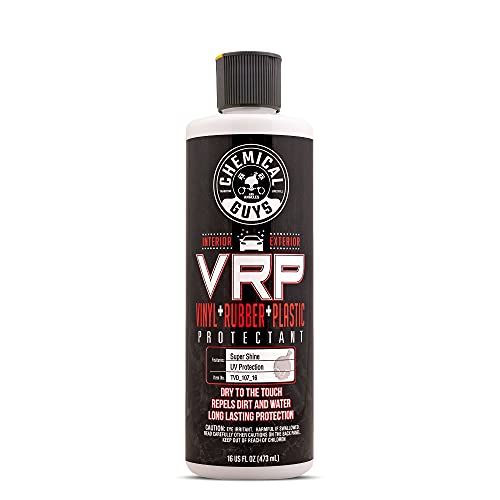
UV radiation, ozone, and extreme temperatures cause the rubber compounds in sidewalls to degrade over time. This results in dry rot: small cracks that can deepen and lead to air leaks or blowouts. Tires older than six years are especially prone, even if tread remains. Store your vehicle in a garage, use tire protectants sparingly, and inspect sidewalls regularly for cracking.
4. Chemical Exposure and Poor Maintenance
Exposure to harsh chemicals like oil, gasoline, or tire cleaners can break down sidewall rubber. Improper tire mounting or using mismatched tire sizes can also cause sidewall damage. Always use recommended tire sizes and have tires mounted by a professional. Avoid driving on tires with visible cuts, bulges, or cracks, and replace them immediately if damage is found.
Frequently Asked Questions
Can a sidewall puncture be repaired?
No, sidewall punctures aren’t repairable. The sidewall flexes too much during driving, and any patch or plug will fail. The tire must be replaced for safety.
How can I tell if sidewall damage is severe?
Look for bulges, deep cracks, or exposed cords. If you see any of these, the tire is unsafe. Also, if the damage is larger than 1/4 inch or the tire loses pressure, replace it immediately.
Does tire warranty cover sidewall damage?
Most tire warranties cover defects but not road hazard damage like pothole impacts or curb scrapes. You may need a separate road hazard warranty for coverage.
The Bottom Line
Tire sidewall damage is a serious safety issue that usually requires tire replacement. Prevent it by maintaining proper inflation, avoiding road hazards, and inspecting tires regularly. For more tire care tips, check out our Tires category and learn about the best OBD2 scanners to monitor tire pressure.