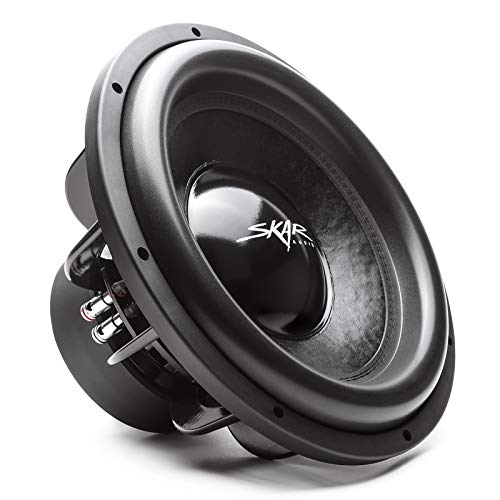
Speaker crackling is most often caused by a damaged speaker cone, loose electrical connections, or amplifier clipping. Before buying new speakers, check these three common culprits to save money and time.
1. Physical Damage to the Speaker Cone
A torn or warped speaker cone is the number one cause of crackling. Over time, foam surrounds dry out and crack, especially in older cars. You can inspect the cone by removing the speaker grille and looking for visible tears, dents, or crumbling foam. If the cone is damaged, the speaker will distort at any volume. Replacement is the only fix, but you can often replace just the foam surround for about $10 to $20 instead of buying a whole new speaker.
2. Loose or Corroded Wiring and Connections
Loose speaker wire terminals, corroded connectors, or a bad ground can cause intermittent crackling. Check the wires behind the stereo and at each speaker. If you see green corrosion or frayed strands, clean or replace the connectors. A simple twist-and-tape job can work temporarily, but crimp connectors or soldering is better for a permanent fix. Also, make sure the speaker wires are not rubbing against metal edges, which can cause shorts.
3. Amplifier Distortion or Clipping
If you have an aftermarket amplifier, setting the gain too high can cause clipping, which sounds like crackling. This happens when the amp tries to produce more power than it can handle, sending a distorted signal to the speakers. Turn down the gain and check the head unit’s volume level. Most car stereos start to distort above 75% volume. Use a multimeter or oscilloscope to set gain properly, or simply listen for distortion and back off. Factory head units can also clip if you push them too hard.
4. Blown Speaker Voice Coil
A blown voice coil often produces a scratchy or crackling sound, especially at low volumes. This happens when the coil overheats from too much power or prolonged distortion. You can test for a blown coil by gently pressing the cone inward; if you feel scraping or hear a grinding noise, the coil is damaged. Unfortunately, a blown voice coil means the speaker needs to be replaced. However, make sure the problem isn’t just a loose wire first.
Frequently Asked Questions
Can I fix crackling speakers by adjusting the EQ?
No, equalizer adjustments only mask the problem. If the crackling is caused by physical damage or a blown coil, EQ changes won’t help. If it’s from amplifier clipping, reducing bass boost can reduce distortion, but the root cause is still gain or volume too high.
Why do my speakers crackle only when it’s cold?
Cold temperatures can stiffen speaker surrounds and cause temporary cracks or shrinkage. This is common with aging foam surrounds. Once the car warms up, the material may soften and the crackling may stop. But if the surround is already brittle, it will eventually fail completely.
Should I replace all speakers if one is crackling?
Not necessarily. If only one speaker crackles, focus on that speaker. However, if your car is older and all speakers use the same foam surrounds, they may all be near failure. Replacing in pairs (front or rear) is a good idea to maintain balanced sound.
The Bottom Line
Speaker crackling is rarely a mystery. Start by inspecting the cone for damage, then check all wiring connections. If those are fine, look at your amplifier settings. Most crackling issues can be fixed with a $10 repair kit or a simple wire cleaning. For more help with car audio problems, check out our car audio guides.