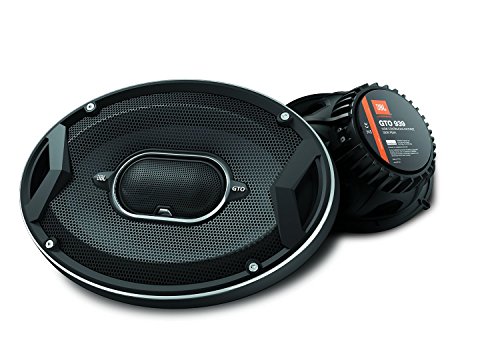
Hearing a constant hiss or static from your car speakers, even when the volume is low, can ruin your listening experience. This annoying background noise is a common issue, but it is usually fixable without expensive equipment. In this guide, we will explore the most frequent causes of speaker hiss and walk you through practical steps to eliminate it.
What Causes Speaker Hiss?
Speaker hiss, also known as white noise or static, is typically an electrical noise generated by your audio system. It can come from the head unit, the amplifier, or wiring issues. Understanding the source is the first step to fixing it. Here are the most common culprits:
- Gain set too high on your amplifier
- Poor grounding of the head unit or amp
- Low-quality RCA cables or poor connections
- Interference from other electrical components
- Internal noise from the head unit itself
Check Your Amplifier Gain Settings
One of the most common causes of hiss is an over-sensitive amplifier gain. The gain control matches the amp’s input sensitivity to the head unit’s output voltage. If it is set too high, it amplifies not only the music but also the background noise built into the signal. This results in audible hiss, especially when no music is playing.
To check this, turn down the gain on your amplifier. Start by setting it to its minimum level, then slowly increase it while playing music until you hear distortion, then back off slightly. This will give you the cleanest signal. If the hiss disappears when the gain is reduced, that was the problem.
Inspect Ground Connections
A poor ground is another frequent cause of electrical noise in car audio. The ground wire for your head unit or amplifier must have a solid connection to the car’s chassis, with no paint or rust under the contact point. A bad ground can introduce a low-level hum or hiss into the signal path.
To test this, try using a temporary jumper wire from the amp’s ground terminal to a known good ground point, like a seat bolt. If the hiss goes away, you have identified the issue. Clean the original ground point with sandpaper and reattach the wire securely. Ensure the ground wire is as short as possible and uses the same gauge as the power wire.
Examine RCA Cables and Signal Path
RCA cables carry the low-level audio signal from your head unit to the amplifier. If they are damaged, poorly shielded, or routed near power wires, they can pick up interference and cause hiss. Inspect the cables for cuts or kinks, and make sure all connections are snug.
Try swapping the RCA cables with a known good set to see if the hiss disappears. Also, reroute the cables so they run on the opposite side of the car from the power wire. If the hiss is still present with new cables, the problem may lie in the head unit itself.
Test the Head Unit Noise Floor
Sometimes the hiss originates inside the head unit, especially if it is a budget model or has an internal amplifier that is always on. You can test this by disconnecting the RCA cables from the amp and plugging them directly into a portable music player with the volume set low. If the hiss disappears, the head unit is the source.
If your head unit is the culprit, you may need to adjust its internal settings. Some units have a ‘loudness’ or ‘bass boost’ feature that can add noise. Turn those off. Also, check if the head unit has a ‘pre-out voltage’ setting that matches your amp. If not, consider using a line output converter with a better signal-to-noise ratio.
Eliminate Ground Loops and Interference
A ground loop occurs when there are multiple ground paths in your audio system, creating a small voltage difference that causes a hum or hiss. This often happens when the head unit and amplifier are grounded at different points on the chassis. To break the loop, use a ground loop isolator on the RCA cables or ensure both components share the same ground point.
Another source of interference is the car’s alternator. If the hiss changes pitch with engine RPM, it is likely alternator whine, which is covered separately. However, a steady hiss can also come from a noisy power supply in the head unit. In that case, adding a noise filter on the power wire may help, but be careful not to restrict current flow.
Finally, check if any aftermarket devices like phone chargers or LED lights are causing interference. Try unplugging them to see if the hiss stops. If it does, you may need to isolate or relocate those components.
When to Seek Professional Help
If you have tried the above troubleshooting steps and the hiss persists, it may be time to consult a professional car audio installer. They have specialized tools to diagnose electrical issues and can identify problems that are not visible to the naked eye. Sometimes, the issue is a faulty component that needs to be replaced, like a damaged capacitor in the amplifier.
Remember, fixing speaker hiss is often a matter of methodical elimination. Start with the simplest and most common causes, and you will likely find the solution without spending money on unnecessary parts.
Frequently Asked Questions
Why do my car speakers hiss even when the volume is off?
If the hiss is present even at zero volume, the noise is likely coming from the amplifier's gain being set too high or an external source like a ground loop. Check the gain and ground connections first.
Can a bad RCA cable cause speaker hiss?
Yes, a damaged or low-quality RCA cable can pick up interference and cause hiss. Try swapping the cables to see if the noise goes away.
Will a ground loop isolator fix hissing?
A ground loop isolator can help if the hiss is caused by a ground loop, which is a voltage difference between multiple ground paths. It is a simple and inexpensive fix to try.