The 3.5 inch car speaker is a very overlooked upgrades in any vehicle. These small drivers usually live in the dash corners, A-pillars, or rear deck of older cars and compact sedans, and the factory versions tend to sound thin and harsh after a few years. Swapping them out is one of the quickest ways to add presence and detail to your music without a full system rebuild.
We looked at the 3.5 inch speakers that buyers actually search for and ranked them on clarity, build quality, how well they handle real power, and how easily they drop into a factory location. Every pick below is a genuine model you can find on Amazon, and we have been honest about where each one falls short so you can match the right pair to your car and your ears.
| Photo | Product | Score | Buy |
|---|---|---|---|
 |
Rockford Fosgate Punch P132 3.5-Inch 2-Way Coaxial Speakers Best Overall 3.5 inch 2-way coaxial, 40W RMS, 80W peak, integrated tweeter |
9.5 |
ⓘ We may earn a commission from qualifying purchases made through links on this page, at no extra cost to you.
|
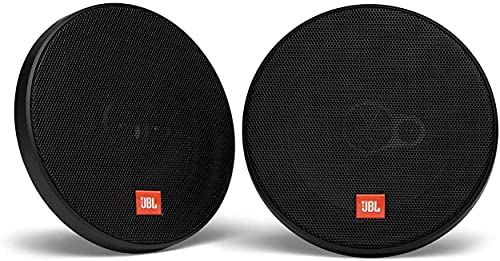 |
JBL Stage2 304 3.5-Inch 2-Way Coaxial Car Speakers Best Value 3.5 inch 2-way coaxial, 35W RMS, 105W peak, edge-driven tweeter |
9.2 | 🛒 Check Price |
 |
Pioneer TS-A878 3.5-Inch 2-Way Coaxial Speakers Best for Loud Listening 3.5 inch 2-way coaxial, 30W RMS, 250W peak, multilayer mica matrix cone |
9.0 | 🛒 Check Price |
 |
Polk Audio DB352 3.5-Inch 2-Way Coaxial Speakers Best Build Quality 3.5 inch 2-way coaxial, marine certified, 30W RMS, 90W peak, silk dome tweeter |
8.8 | 🛒 Check Price |
 |
Infinity Reference REF-3032CFX 3.5-Inch 2-Way Coaxial Speakers Best Detail and Clarity 3.5 inch 2-way coaxial, 25W RMS, 75W peak, edge-driven textile tweeter |
8.6 | 🛒 Check Price |
 |
Kicker DSC350 DS Series 3.5-Inch Coaxial Speakers Best Easy Upgrade 3.5 inch 2-way coaxial, 25W RMS, 100W peak, polypropylene cone with PEI tweeter |
8.4 | 🛒 Check Price |
 |
Pyle PL352 3.5-Inch 2-Way Coaxial Car Speakers Best Budget Pick 3.5 inch 2-way coaxial, 70W RMS, 140W peak, poly cone with neodymium tweeter |
8.0 | 🛒 Check Price |
1. Rockford Fosgate Punch P132 3.5-Inch 2-Way Coaxial Speakers: Best Overall
The Rockford Fosgate Punch P132 is our top pick because it nails the thing most 3.5 inch speakers get wrong, which is balance. The vacuum polypropylene cone keeps the midrange tight instead of muddy, and the PEI dome tweeter adds detail without the brittle, fatiguing top end that cheaper coaxials are known for. In a typical dash or A-pillar location these instantly clean up vocals and bring out instrument separation that the factory drivers simply can’t reproduce.
The honest weakness here’s low end. As with any 3.5 inch driver, you won’t get meaningful bass from these alone, so they’re best treated as a clarity and midrange upgrade alongside a larger pair or a small sub. Mounting depth is also on the deeper side for the class, so check your pod clearance before you commit. For everything else, the P132 is the pair we would put in our own car first.
- Vacuum polypropylene cone for tight, controlled midrange
- PEI dome tweeter with integrated crossover
- Flexible fit grilles and hardware included
Pros: Clean, balanced sound that beats factory speakers easily; Solid build quality that holds up to daily driving; Handles real power without getting harsh
Cons: Limited low-end presence on their own without a sub; Mounting depth can be snug in shallow dash pods
2. JBL Stage2 304 3.5-Inch 2-Way Coaxial Car Speakers: Best Value
JBL built the Stage2 304 to be the easy yes for most drivers, and it largely succeeds. The Plus One cone technology squeezes a bit more cone area out of the 3.5 inch frame, which gives these more usable output than you expect from such a small speaker. The edge-driven tweeter spreads sound widely, so even when the speakers are tucked low in a door or dash you still get a clear, present top end across the cabin.
The character here’s bright and energetic, which suits vocals, pop, and acoustic music nicely. The flip side is that the forward top end can edge toward sharp when you really push the volume, so listeners who want a warmer, more relaxed sound may want to dial back the treble on their head unit. Combined with the genuinely shallow mounting depth and easy install, the Stage2 304 is the smart value choice.
- Plus One woofer cone for more cone area and output
- Edge-driven balanced dome tweeter for wider dispersion
- Shallow mount design fits tight factory locations
Pros: Bright, lively sound that flatters vocals and pop; Easy drop-in fit thanks to shallow mounting depth; Strong value for the clarity you get
Cons: Top end can feel slightly forward at high volume
3. Pioneer TS-A878 3.5-Inch 2-Way Coaxial Speakers: Best for Loud Listening
Pioneer’s A-Series has long been the go-to for drivers who like their music loud, and the TS-A878 carries that reputation into the 3.5 inch size. The multilayer mica matrix cone is stiff and light, which keeps the cone from flexing and distorting when you push it, so these stay clean at volumes where weaker speakers start to break up. The soft dome tweeter is the standout, delivering smooth highs that you can listen to for hours without fatigue.
The thing to understand is the power rating. The high peak number looks impressive, but the RMS handling is modest, so these reward a clean, properly set signal rather than a thrashing from an underpowered head unit pushed into clipping. Bass is also inherently limited, as it’s for the whole category. Give them clean power and the TS-A878 rewards you with composed, loud, and easy listening.
- Multilayer mica matrix cone for rigid, distortion-free output
- High peak power handling for spirited volume
- Soft dome tweeter for smoother high frequencies
Pros: Stays composed and clean at higher volumes; Smooth, non-fatiguing treble from the soft dome tweeter; Trusted Pioneer A-Series reliability
Cons: Modest RMS rating means they prefer a clean amp; Bass remains limited by the small cone size
4. Polk Audio DB352 3.5-Inch 2-Way Coaxial Speakers: Best Build Quality
The Polk Audio DB352 stands out for how it’s built rather than how loud it goes. These carry a marine certification, meaning the materials and construction resist humidity, salt fog, and UV exposure far better than typical car speakers. That makes them a smart pick not just for cars in damp climates but also for boats, side by sides, and anything where the speaker location is exposed to the elements. The silk dome tweeter gives a warm, refined high end that’s easy to live with.
The trade-off for that smoothness is excitement. The DB352 leans toward a slightly laid-back, polished presentation, so listeners chasing aggressive sparkle or maximum volume may find them reserved. They’re also not the loudest pair here. But if you want speakers that sound good and survive years of abuse, the Polk DB352 is the most rugged choice on this list.
- Marine certified for resistance to moisture and humidity
- Silk dome tweeter for warm, refined highs
- Dynamic balance cone tuning for clean response
Pros: Excellent durability and moisture resistance; Warm, refined top end that suits long drives; Works in both cars and powersports applications
Cons: Slightly laid-back sound may seem reserved to some; Not the loudest option in the group
5. Infinity Reference REF-3032CFX 3.5-Inch 2-Way Coaxial Speakers: Best Detail and Clarity
Infinity’s Reference line is known for punching above its size, and the REF-3032CFX brings that detail-focused tuning to the 3.5 inch class. The glass fiber Plus One cone adds effective cone area, while the edge-driven textile tweeter throws sound wide across the cabin. The result is an articulate, open presentation that pulls fine texture out of recordings, like the breath in a vocal or the brush on a cymbal, which factory speakers flatten completely.
The catch is power handling. These carry the lowest RMS rating in our group, so they’re happiest with a clean, well-set source and aren’t the pair to choose if you plan to drive them hard with a big amp. Feed them a tidy signal, though, and the imaging and clarity are genuinely impressive. For listeners who prize accuracy over raw volume, the Infinity Reference is the connoisseur’s pick.
- Plus One glass fiber cone for added cone area
- Edge-driven textile dome tweeter for wide dispersion
- Starting Line crossover network included
Pros: Detailed, articulate sound that reveals fine texture; Wide soundstage even from low mounting points; Refined tweeter with excellent imaging
Cons: Lower power handling than rivals in this group; Needs a clean source to sound its best
6. Kicker DSC350 DS Series 3.5-Inch Coaxial Speakers: Best Easy Upgrade
The Kicker DSC350 is the no-drama upgrade for anyone who just wants their old, crackling factory speakers replaced with something that works and looks tidy. The polypropylene cone uses stiffening ribs to stay rigid and resist deformation over time, and the zero-protrusion grille sits flush so the install looks like it belongs there. Tonally these are clean and even, with a balanced PEI tweeter that lifts vocals and detail above the muddy factory baseline.
Where the DSC350 is honest about itself is excitement. This is a competent, dependable speaker rather than a thrilling one, and it won’t wow you with sparkle or slam. In a larger cabin its modest output also shows. But as a fuss-free, good-looking, reliable replacement that simply sounds better than stock, the Kicker DSC350 does exactly the job most buyers want from a 3.5 inch speaker.
- Polypropylene cone with stiffening ribs for durability
- Balanced PEI dome tweeter for clear highs
- Zero-protrusion grille for a clean factory look
Pros: Simple, reliable drop-in replacement; Clean and even tonal balance; Low-profile grille keeps the factory appearance
Cons: Sound is competent rather than exciting; Limited output for larger cabins
7. Pyle PL352 3.5-Inch 2-Way Coaxial Car Speakers: Best Budget Pick
If you need to replace a blown or weak factory speaker without overthinking it, the Pyle PL352 covers the basics surprisingly well. The poly cone with a butyl rubber surround handles everyday use, and the neodymium film tweeter delivers a crisp, present top end that immediately lifts clarity over a tired factory driver. The power rating is generous for this tier, which makes them an easy match for a basic head unit or a modest amp.
The honest limitation is refinement. The build feels lighter in the hand than our premium picks, and the midrange doesn’t have the texture or control of the Rockford or Infinity options, so critical listeners will notice the difference. For a straightforward, affordable refresh that gets your music sounding clear again, though, the Pyle PL352 is a sensible entry point and the best budget choice here.
- High rated power handling for the budget class
- Neodymium film dome tweeter for crisp highs
- Non-fatiguing butyl rubber surround
Pros: Strong value for a basic system refresh; Crisp, present treble out of the box; Generous power rating for the category
Cons: Build feels lighter than the premium picks; Midrange lacks the refinement of higher-end pairs
Frequently Asked Questions
Will 3.5 inch speakers give me any bass?
Not much on their own, and that’s normal for the size. A 3.5 inch driver simply doesn’t have the cone area to move enough air for deep bass, so its job is clarity, vocals, and upper midrange rather than low end. Think of these speakers as detail and presence drivers. If you want real bass, pair them with a set of larger 6.5 inch speakers in the doors or add a compact subwoofer, and let the 3.5 inch pair handle the highs and mids they do well.
Where are 3.5 inch speakers usually located in a car?
The most common spots are the front dash corners, the A-pillars, and the rear deck or rear side panels of compact sedans and older vehicles. Because these locations are often shallow, mounting depth matters a lot. Before buying, measure the depth and diameter of your existing speaker pocket and compare it to the speaker’s specifications. A pair with a shallow mount and a low-profile grille, like the JBL Stage2 304, will drop into tight factory openings with the least hassle.
Can I run 3.5 inch speakers straight off my head unit?
Yes. Every speaker on this list will run fine off the built-in amplifier in a standard head unit, which is how most people use them. The key is to avoid turning the volume so high that the head unit clips, since a clipped signal is what actually damages small speakers. If you want them louder and cleaner, a small external amplifier matched to the speaker’s RMS rating helps, but it isn’t required for a satisfying everyday upgrade.
What does RMS power mean and why does it matter more than peak?
RMS is the continuous power a speaker can handle safely all day, while peak is a brief maximum it can survive for an instant. Peak numbers look impressive in marketing, but RMS is the figure that actually tells you how much real power the speaker wants. Match your amplifier’s RMS output to the speaker’s RMS rating for a clean, reliable pairing. Chasing a big peak number while ignoring RMS is how people end up with blown speakers.
Are 3.5 inch speakers hard to install myself?
For most cars it’s a manageable DIY job. The hardest part is usually removing the factory grille or trim panel without breaking the clips, so work slowly and use a plastic trim tool. Once the old speaker is out, you connect the two wires, secure the new speaker with the included hardware, and refit the grille. A wiring harness adapter for your vehicle makes the connection plug and play and avoids cutting factory wires, which is worth picking up alongside the speakers.
Our Verdict
For the best all-round 3.5 inch upgrade, the Rockford Fosgate Punch P132 is our top pick thanks to its balanced, controlled sound and durable build that simply outclasses factory speakers. If you want the smartest blend of clarity, easy shallow-mount fit, and value, the JBL Stage2 304 is the runner up and the pair most buyers will be happiest with. Whichever you choose, remember these are clarity and midrange drivers, so pair them with larger speakers or a sub when you want bass to match the detail.

