Water pump noise is often the first sign of a failing cooling system component. If you hear squealing, grinding, or whining from the front of your engine, the water pump bearings or impeller may be wearing out. Addressing the issue early can prevent overheating and costly engine damage. Here is how to stop water pump noise before it becomes a major problem.
Common Causes of Water Pump Noise
Water pump noise typically comes from worn bearings, a loose pulley, or a damaged impeller. Bearings can fail due to age, lack of lubrication, or contamination from coolant debris. A loose or misaligned drive belt can also cause squealing that mimics pump noise. In some cases, the impeller itself may be corroded or broken, especially in pumps with plastic impellers. Regular coolant changes help prevent sludge and corrosion that accelerate wear. If you notice a chirping sound that changes with engine speed, suspect belt issues first. A deep rumbling or grinding noise usually points to bearing failure.
How to Inspect Your Water Pump for Early Warning Signs
You can check the water pump yourself without special tools. With the engine off and cool, look for coolant leaks around the pump housing or weep hole. A small drip is a clear sign the seal is failing. Grab the fan or pulley and try to wiggle it side to side. Any play indicates worn bearings. Listen for noise by running the engine and using a mechanic’s stethoscope or a long screwdriver placed against the pump housing. If the noise is loudest at the pump, replacement is needed soon. Also check the drive belt tension and condition. A worn belt can cause noise that seems like pump failure. Replace the belt if it is glazed or cracked.
Preventive Maintenance to Extend Water Pump Life
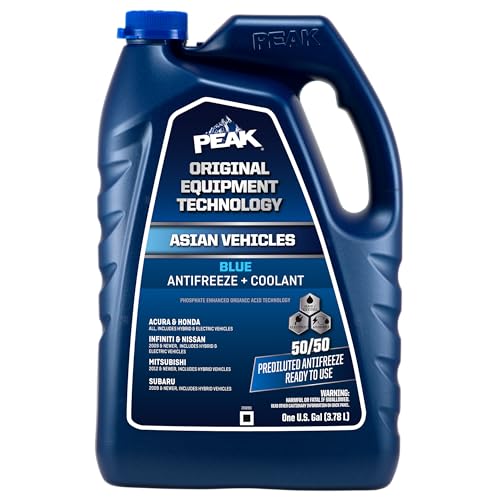
The best way to prevent water pump noise is to follow your vehicle’s recommended maintenance schedule. Change the coolant every 30,000 to 50,000 miles or as specified in your owner’s manual. Use the correct coolant type to avoid chemical reactions that damage seals and bearings. Always replace the water pump when you change the timing belt, as many pumps are driven by the timing belt and have similar service intervals. This saves labor and prevents a failure shortly after belt replacement. Also, inspect the water pump during any cooling system service, such as thermostat replacement. For more cooling system tips, see our cooling system guide.
When to Replace the Water Pump vs. Repair
Water pump replacement is almost always the only fix for internal wear. There are no serviceable parts inside. If the pump is noisy but not leaking, you might have a few hundred miles before failure, but it is risky to delay. Replacing the pump early can save you from being stranded. Consider replacing the thermostat and drive belt at the same time for efficiency. If the pump has a metal impeller, it may last longer, but plastic impeller pumps are more prone to sudden failure. Always use a quality replacement pump with a metal impeller if available. For other essential tools, check out our best OBD2 scanners to monitor engine temperature.
Frequently Asked Questions
Can I drive with a noisy water pump?
It is not recommended. A noisy water pump may fail completely at any time, causing the engine to overheat. If you must drive, keep trips short and watch the temperature gauge closely. Replace the pump as soon as possible.
Does a water pump make noise when it is going bad?
Yes, common noises include squealing, grinding, chirping, or a rumbling sound. The noise often increases with engine speed. Any unusual sound from the front of the engine should be investigated.
How much does it cost to replace a water pump?
Parts cost between $50 and $150 for most vehicles, but labor can add $200 to $600 depending on the engine layout. Replacing it along with a timing belt can reduce labor costs.
The Bottom Line
Water pump noise is a clear warning that should not be ignored. By catching the problem early through regular inspection and maintenance, you can avoid overheating and major engine repairs. Replace the pump at the first sign of noise or leakage, and always follow your vehicle’s service intervals for coolant changes and belt replacements. A few preventive steps now can save you hundreds of dollars and a lot of trouble later.