Head gasket failure is one of the most dreaded engine problems, but you can catch it early and prevent it. The head gasket seals the engine block and cylinder head, and when it fails, coolant and oil mix, leading to overheating and engine damage. Recognizing symptoms like white exhaust smoke, milky oil, and coolant loss can save you thousands. Prevention focuses on maintaining proper cooling system function and avoiding engine overheating.
What Are the Early Symptoms of a Failing Head Gasket?
Early detection is critical. Look for these signs: white or blue smoke from the exhaust (indicating coolant burning), a sweet smell from the exhaust, coolant loss without visible leaks, milky or frothy oil on the dipstick, and engine overheating. You may also notice bubbles in the radiator or coolant reservoir. If you see any of these, stop driving and inspect immediately. A compression test or combustion leak test can confirm the issue.
How to Prevent Head Gasket Failure: 5 Key Steps
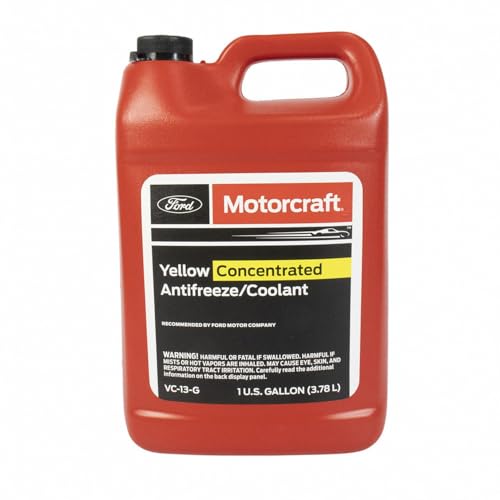
Prevention is far cheaper than repair. Follow these steps: 1) Maintain proper coolant levels and change coolant per manufacturer intervals (typically every 30,000 to 60,000 miles). 2) Never let the engine overheat; if the temperature gauge rises, pull over and let it cool. 3) Use the correct coolant type for your vehicle. 4) Replace the thermostat and radiator cap at recommended intervals. 5) Check for cooling system leaks regularly. A well-maintained cooling system is your best defense.
Cost of Ignoring Symptoms vs. Prevention
Ignoring head gasket symptoms can lead to catastrophic engine failure. Repair costs range from $1,500 to $3,000 for a simple gasket replacement, but if the engine warps or cracks, you may need a new engine costing $4,000 to $8,000. In contrast, preventive maintenance like a $20 coolant flush or a $50 thermostat replacement is negligible. Investing in a quality OBD2 scanner can help you monitor engine parameters and catch issues early.
When to Seek Professional Help
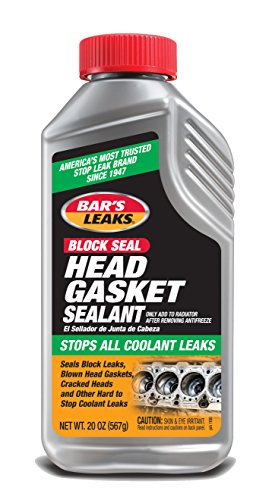
If you suspect head gasket issues, a professional mechanic should perform a compression test, leak-down test, and cooling system pressure test. DIY fixes like sealants are temporary and can clog your cooling system. For long-term reliability, replace the gasket and inspect the cylinder head for warping. Always use high-quality parts and follow torque specifications. For cooling system maintenance, check our cooling system guides.
Frequently Asked Questions
Can a head gasket leak without overheating?
Yes, a small leak may not cause immediate overheating, but you might notice coolant loss, white smoke, or oil contamination. Over time, the leak worsens and leads to overheating.
How long can I drive with a blown head gasket?
You should not drive at all. Even a short distance can cause severe engine damage from overheating or coolant mixing with oil. Tow the vehicle to a shop.
Is it worth fixing a blown head gasket on an old car?
It depends on the car’s value and engine condition. If the engine is otherwise healthy and the car is reliable, repair is often worth it. If the engine is high-mileage or the car is worth little, replacement might be better.
The Bottom Line
Head gasket failure is preventable with proper cooling system maintenance. Watch for early symptoms like white smoke, milky oil, and coolant loss. Act quickly to avoid costly repairs. Regular checks and timely part replacements are your best insurance against this major engine problem.