Aluminum radiators run cooler and lighter than the old copper-brass units, but they’re also far pickier about what you pour into them. The wrong coolant, especially anything loaded with silicates or run alongside hard tap water, can pit and corrode aluminum from the inside out, clog the thin cooling tubes, and leave you chasing overheating problems that no fan or thermostat will fix.
We looked at the coolants most trusted by mechanics, track-day drivers, and daily commuters for aluminum cooling systems, judging them on corrosion protection, heat transfer, boil and freeze range, service interval, and how well they play with mixed-metal engines. Below are our seven top picks, ranked best first, with an honest look at where each one shines and where it falls short.
| Photo | Product | Score | Buy |
|---|---|---|---|
 |
Zerex G-05 Antifreeze/Coolant Best Overall HOAT (hybrid OAT) chemistry, low silicate, 5-year/150,000-mile service life |
9.5 |
ⓘ We may earn a commission from qualifying purchases made through links on this page, at no extra cost to you.
|
 |
Engine Ice High Performance Coolant Best for High Heat Pre-mixed propylene glycol, biodegradable, track-day temperature control |
9.2 | 🛒 Check Price |
 |
Prestone AMD All Vehicles Antifreeze/Coolant Best Universal Pick Cor-Guard universal OAT chemistry, mixes with any color, 10-year/300,000-mile claim |
9.0 | 🛒 Check Price |
 |
Evans Waterless Engine Coolant Lowest Corrosion Risk Waterless propylene glycol, boiling point above 375F, near-zero internal corrosion |
8.8 | 🛒 Check Price |
 |
Zerex Asian Vehicle Antifreeze/Coolant Best for Asian Imports Phosphated OAT (P-OAT), low-silicate, pink, matched to Asian OEM specs |
8.6 | 🛒 Check Price |
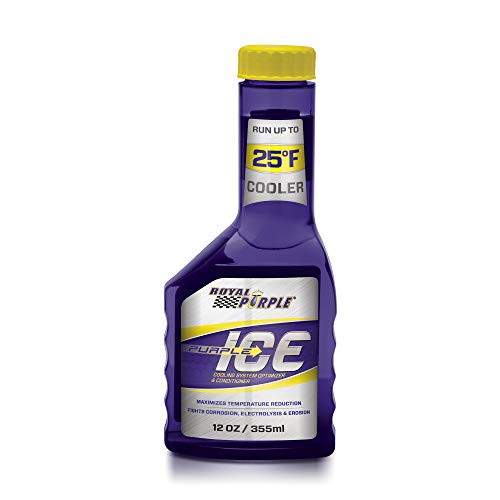 |
Royal Purple Purple Ice Super Coolant Best Coolant Additive Corrosion-inhibiting wetting-agent additive, mixes with existing coolant, one bottle per system |
8.4 | 🛒 Check Price |
 |
Red Line WaterWetter Supplement Best for Track Setups Water-based coolant additive, one bottle per cooling system, anti-corrosion and wetting action |
8.0 | 🛒 Check Price |
1. Zerex G-05 Antifreeze/Coolant: Best Overall
Zerex G-05 earns the top spot because it’s the safest, most predictable choice for almost any aluminum radiator. Its hybrid organic acid (HOAT) chemistry pairs a small, controlled dose of silicate for instant aluminum surface protection with long-life organic inhibitors that keep working for years. That combination is exactly what thin-walled aluminum cores need, and it explains why this formula shows up as a factory fill in so many European and domestic vehicles. In real-world use it resists the pitting and white aluminum oxide buildup that ruins lesser coolants.
The honest weakness is convenience. Most listings ship G-05 as a full-strength concentrate, which means you’re responsible for cutting it with distilled water to a proper 50/50 mix, and using tap water here defeats the whole point. It’s also not a universal one-bottle-fits-all product, so you should confirm it matches your system rather than assuming. For anyone willing to mix it correctly, though, this is the coolant we would put in our own aluminum-radiator car first.
- Hybrid organic acid technology balances fast-acting silicate protection with long-life organic inhibitors
- Low-silicate, nitrited formula engineered to guard aluminum, cast iron, and solder in mixed-metal systems
- Approved against a broad selection of European and domestic OEM specs for broad vehicle coverage
Pros: Outstanding all-round aluminum corrosion protection in mixed-metal engines; Long, well-documented service interval reduces how often you flush; Trusted OEM-grade pedigree used in many factory fills
Cons: Sold as a concentrate in many listings, so you must mix with distilled water yourself; Yellow-gold color can be confused with other coolant types during top-offs
2. Engine Ice High Performance Coolant: Best for High Heat
Engine Ice is the coolant we reach for when heat is the enemy. It’s a pre-mixed propylene glycol formula that pours straight in, which removes any chance of contaminating your aluminum radiator with hard or chlorinated tap water. Track riders and performance drivers like it because it does a genuinely good job of holding down operating temperatures during repeated hard pulls, and the propylene glycol base is non-toxic and biodegradable, a real plus if you spill or store it around animals.
Its strength is also its limit. Because it’s tuned for heat management rather than deep-cold survival, its freeze protection doesn’t match a properly mixed ethylene glycol coolant in brutal winter climates, so it’s a better pick for warm regions or seasonal track cars than for a daily driver parked outside in the far north. If your main concern is shedding heat from an aluminum system, however, few products feel this composed when things get hot.
- Ready-to-pour pre-mix removes guesswork and the risk of using bad water
- Propylene glycol base is non-toxic and biodegradable, friendlier than ethylene glycol formulas
- Designed to lower operating temperatures in hard-working aluminum cooling systems
Pros: Noticeably strong heat control under sustained load and track use; Pre-mixed and aluminum-safe straight from the jug; Non-toxic chemistry is safer around pets and the environment
Cons: Lower freeze protection than a standard 50/50 ethylene glycol mix in extreme cold; Performance focus means it’s more fluid than commuters strictly need
3. Prestone AMD All Vehicles Antifreeze/Coolant: Best Universal Pick
Prestone AMD is the easy button for aluminum radiators when you aren’t sure exactly what is in the system or you simply want one bottle that works everywhere. Its Cor-Guard technology is built to protect the hot metal surfaces inside the engine, which is precisely where aluminum corrosion tends to begin, and Prestone backs it with a long service-life claim. The headline feature is true compatibility: you can top off any color or chemistry without the curdling or gel problems that scare people away from mixing coolants.
The trade-off with any universal coolant is that being good for everything means it isn’t perfectly optimized for one OEM specification. If your manufacturer calls out a very specific coolant type, a matched product may serve that engine slightly better long term. The long-life numbers also assume you start from a properly flushed, clean system rather than dumping it on top of old, contaminated fluid. For mixed fleets, project cars, and anyone who values simplicity, it’s hard to beat.
- Cor-Guard corrosion inhibitors target the hot metal surfaces where aluminum damage starts
- Compatible with all antifreeze colors and chemistries for easy top-offs
- Available as a ready-to-use pre-mix to skip the water-mixing step
Pros: Genuinely flexible, mixes with whatever is already in the system; Strong aluminum and mixed-metal protection from the Cor-Guard package; Very long advertised service life lowers maintenance frequency
Cons: Universal formulas are a compromise versus a coolant matched to one exact spec; Long-life claims depend on a clean flush before filling
4. Evans Waterless Engine Coolant: Lowest Corrosion Risk
Evans takes a completely different route to protecting aluminum: it removes water from the equation entirely. Since water is what drives corrosion, electrolysis, and boil-over in the first place, a waterless propylene glycol coolant gives your aluminum radiator about the lowest internal corrosion risk you can buy. The boiling point sits far above any normal operating temperature, so steam pockets and pressure spikes essentially disappear, and the fluid can realistically last the life of the engine, making it appealing for classics and hard-to-service builds.
The catch is real and worth understanding before you buy. To get the benefits you must fully convert the system, purging every trace of water first, which is more involved than a standard drain and fill. Waterless coolant also carries heat away less efficiently than a water-based mix, so a marginal or undersized cooling setup can actually run warmer on it. Done right on a healthy system, though, the corrosion protection is in a class of its own.
- Contains no water, eliminating the main driver of aluminum corrosion and electrolysis
- Very high boiling point sharply reduces hot spots, boil-over, and overpressure
- Long service life means it can effectively last the life of many engines
Pros: Removes water entirely, so internal corrosion and pitting drop dramatically; Extremely high boiling point resists boil-over and steam pockets; Lasts for years, cutting down on flush-and-fill maintenance
Cons: Requires a thorough conversion to purge all water from the system before filling; Transfers heat less efficiently than water-based coolant, so cooling margins matter
5. Zerex Asian Vehicle Antifreeze/Coolant: Best for Asian Imports
If you drive a Toyota, Honda, Nissan, Hyundai, or similar import with an aluminum radiator, Zerex Asian Vehicle is formulated specifically with your engine in mind. Asian automakers favor a phosphated organic acid (P-OAT) chemistry, and this coolant delivers exactly that with a low silicate load, which protects aluminum surfaces and water-pump seals without leaving the abrasive deposits that can clog narrow cooling tubes. The pre-diluted version is genuinely convenient and takes water quality out of your hands.
Its specialization is also its boundary. Phosphate-based coolants are matched to Asian designs and are deliberately the opposite approach from the silicate-leaning formulas many European makers want, so this isn’t a do-everything universal product. Be careful at top-off time too, since the pink dye looks similar to other unrelated pink coolants and you don’t want to guess. For the right vehicle, this is close to a factory-correct fill that treats aluminum gently.
- Phosphate-enhanced organic acid chemistry tuned for Japanese and Korean aluminum engines
- Low silicate content protects aluminum without abrasive deposits in fine cooling passages
- Available pre-diluted so it pours in ready to run
Pros: Closely matches the coolant chemistry many Asian automakers require; Gentle, low-silicate formula is kind to aluminum radiators and water pumps; Pre-mixed option removes water-quality worries
Cons: Phosphate chemistry is aimed at Asian vehicles, not European applications; Pink dye can be mistaken for unrelated pink coolants on the shelf
6. Royal Purple Purple Ice Super Coolant: Best Coolant Additive
Purple Ice isn’t a coolant on its own, it’s a super-coolant additive you pour into the antifreeze you already run. Its job is to act as a wetting agent, lowering the surface tension of the fluid so it makes better contact with the aluminum core and pulls heat away more effectively, while also adding corrosion inhibitors that help shield the radiator and water pump. For a daily driver that runs a touch warm in summer traffic, it’s a low-effort way to claw back a few degrees and add protection.
You need realistic expectations here. Because it’s a supplement, it can’t stand in for proper antifreeze and freeze protection, and the temperature reductions, while real, are modest and depend heavily on how stressed your cooling system already is. A car with a healthy, correctly sized radiator may barely notice it, whereas a marginal setup will benefit more. Treated as a helpful add-on rather than a fix-all, it’s a smart, inexpensive upgrade for an aluminum system.
- Wetting agent reduces surface tension so coolant contacts more of the aluminum core
- Adds dedicated corrosion inhibitors on top of your existing antifreeze
- A single bottle treats a typical cooling system and blends with current fluid
Pros: Improves heat transfer and lowers temperatures without a full coolant swap; Layers extra corrosion protection onto your aluminum radiator; Simple to add, just pour it into your existing coolant
Cons: It’s a supplement, not a standalone coolant, so it can’t replace antifreeze; Temperature drops are modest and vary with how marginal the system already is
7. Red Line WaterWetter Supplement: Best for Track Setups
Red Line WaterWetter is the classic answer for track cars and race setups where many rulebooks ban glycol antifreeze because it’s slippery when spilled. It’s an additive that supercharges the heat-transfer ability of water or a water-coolant mix while supplying the corrosion protection your aluminum radiator, head, and block would otherwise lose without antifreeze. The result is lower cylinder-head temperatures and fewer hot spots, which is exactly what you want during sustained high-rpm running.
Understand what it’s and isn’t. Mixed with straight water for racing, it offers no freeze protection, so a track car treated this way can’t sit outside in winter without precautions. Its advantages are also most obvious under real thermal stress, meaning a gentle daily commuter will see far less benefit than a car being driven hard. For its intended job, lowering temps in an aluminum cooling system while keeping corrosion at bay, it remains a proven and respected choice.
- Boosts the heat transfer of plain water or water-coolant mixes for racing use
- Provides corrosion protection for aluminum, iron, and other cooling-system metals
- Reduces cylinder-head temperatures and helps prevent localized hot spots
Pros: Excellent heat transfer when paired with water for track and race cars; Adds corrosion protection where rules limit or ban glycol antifreeze; A little goes a long way, one bottle treats a full system
Cons: On its own with water it provides no freeze protection; Most beneficial in performance use, less impactful for everyday driving
Frequently Asked Questions
What type of coolant is safe for an aluminum radiator?
The safest coolants for aluminum radiators are low-silicate or silicate-free formulas, typically organic acid technology (OAT) or hybrid organic acid technology (HOAT) like Zerex G-05. High-silicate older green coolants can leave abrasive deposits and pit thin aluminum cooling tubes. Asian vehicles usually call for a phosphated OAT, while many European cars favor a silicate-leaning HOAT. The golden rule is to match the chemistry your manufacturer specifies, avoid heavy silicate products, and always mix concentrate with distilled water rather than tap water, since minerals in tap water accelerate aluminum corrosion.
Can I use any color coolant in an aluminum radiator?
Color isn’t a reliable guide to chemistry, so you should never choose coolant by color alone. Two coolants of the same color can use very different inhibitor packages, and the wrong one can corrode aluminum or form gel when mixed. What actually matters is the coolant type, OAT, HOAT, or P-OAT, and the OEM specification it meets. If you want flexibility, a true universal coolant such as Prestone AMD is designed to mix safely with any color or chemistry, but even then, starting from a properly flushed system gives you the best protection.
How often should I change the coolant in an aluminum cooling system?
It depends on the coolant. Long-life OAT and HOAT coolants like Zerex G-05 commonly carry service intervals around five years or roughly 150,000 miles, and some universal long-life products advertise even longer. Waterless coolant such as Evans can effectively last the life of the engine. Regardless of the number on the bottle, check the coolant condition periodically, since contamination, mixing incompatible fluids, or a neglected system can shorten its protective life. Fresh coolant with active corrosion inhibitors is your aluminum radiator’s main defense, so don’t stretch intervals indefinitely.
Should I use distilled water or tap water to mix coolant?
Always use distilled or deionized water, never tap water, when mixing a coolant concentrate for an aluminum radiator. Tap water contains minerals, chlorine, and dissolved solids that promote scale buildup, electrolysis, and corrosion inside aluminum passages, which can clog the radiator and create hot spots over time. A proper 50/50 mix of concentrate and distilled water gives balanced freeze and boil protection. If you prefer to skip mixing entirely, buy a ready-to-use pre-mixed coolant like Engine Ice, which already uses purified water from the factory.
Do coolant additives like WaterWetter or Purple Ice actually work?
Yes, within limits. Wetting-agent additives such as Red Line WaterWetter and Royal Purple Purple Ice lower the coolant’s surface tension so it contacts more of the radiator core and transfers heat more efficiently, and they add corrosion inhibitors that protect aluminum. The temperature drop is real but usually modest, and it’s most noticeable on systems already running warm or under heavy thermal load like track use. They’re supplements, not replacements for antifreeze, so they can’t provide freeze protection on their own. Think of them as a helpful tune, not a cure for a failing cooling system.
Our Verdict
For most aluminum radiators, our top pick is Zerex G-05, because its low-silicate HOAT chemistry delivers the broadest, most reliable corrosion protection and a long service life that suits everything from European to domestic engines. If your priority is taming heat rather than surviving deep cold, our runner up is Engine Ice High Performance Coolant, a pre-mixed, non-toxic formula that keeps hard-working aluminum systems composed under load. Whichever you choose, match the chemistry to your vehicle, mix only with distilled water, and start from a clean, flushed system to get the full benefit.