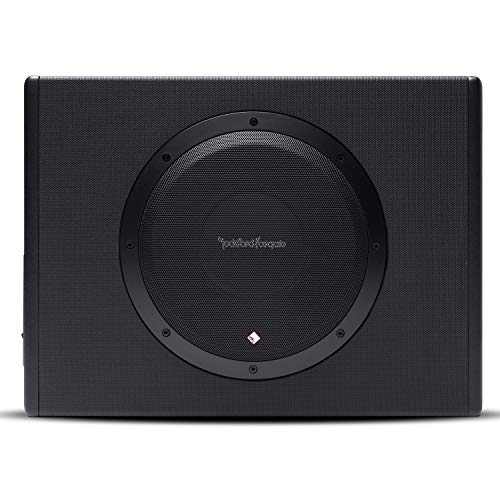
Yes, upgrading factory speakers in an older car is worth doing if you want better sound quality without replacing the entire audio system. You can achieve noticeably clearer highs and fuller bass for a relatively low cost, typically between $100 and $500 for a set of four speakers. However, the value depends on your car’s age, existing wiring, and your expectations.
1. Sound Quality Improvement: What You Gain
Factory speakers in older cars are often made with paper cones and small magnets, which degrade over time. Replacing them with aftermarket speakers using materials like polypropylene or treated cloth delivers crisper highs, tighter midrange, and deeper lows. For example, a $50-$100 pair of coaxial speakers can outperform 20-year-old OEM units. You won’t get subwoofer-level bass, but the overall clarity is dramatically better. Keep in mind that if your head unit is old and underpowered, you may need a new stereo or amplifier to fully benefit.
2. Cost vs. Value: Budget and Installation
A basic speaker upgrade costs $100-$300 for four decent coaxial speakers. Installation can add $100-$200 if you pay a shop, but DIY is doable with basic tools. However, older cars may have rusted screws, brittle plastic trim, or non-standard speaker sizes that complicate the job. Also, if your car has premium factory systems (like Bose or JBL), you might need special adapters or impedance-matching speakers. In those cases, the cost can double. Overall, for most older cars, spending $200-$400 is a worthwhile investment for years of better sound.
3. Potential Downsides: What to Watch For
First, speaker depth: many aftermarket speakers are deeper than factory ones and may not fit without spacers or cutting door panels. Second, power handling: if your factory radio only puts out 10-15 watts RMS, high-power speakers won’t play louder, just cleaner. Third, aging wiring: old speaker wires can corrode, limiting performance. Finally, if your car has door-mounted tweeters, you might need component speakers with separate crossovers, which cost more and are harder to install. Weigh these factors before buying.
Frequently Asked Questions
Will upgrading speakers fix distortion at high volume?
Yes, if the distortion comes from the speakers themselves. Aftermarket speakers handle more power and have better suspension, reducing distortion. But if your head unit is clipping, you’ll still get distortion. Consider adding an amplifier for best results.
Do I need to replace the head unit too?
Not necessarily. New speakers will sound better even with a factory radio, but you’ll miss out on modern features like Bluetooth or equalizer adjustments. If your head unit is functional, start with speakers; upgrade the stereo later if desired.
Can I install speakers myself in an older car?
Yes, with basic tools and patience. Watch online guides for your specific model. Common challenges include removing door panels without breaking clips and fitting new speakers. If you’re not comfortable, professional installation costs $50-$100 per pair.
The Bottom Line
Upgrading factory speakers in an older car is a cost-effective way to improve audio quality. For most drivers, spending $100-$500 on speakers and installation yields a noticeable upgrade in clarity and enjoyment. Just research your car’s speaker size, depth, and power requirements before buying. If you’re looking for a complete audio overhaul, check out our guide on car audio upgrades.