Upgrading factory speakers is a great first step to better car audio, but beginners often make mistakes that ruin sound quality or damage equipment. The most common errors include mismatching impedance, ignoring power handling, and poor installation. Avoid these pitfalls to get the most from your upgrade.
1. Ignoring Impedance Matching
Factory speakers typically have an impedance of 4 ohms. Aftermarket speakers often come in 2, 4, or 8 ohm versions. If you connect 2 ohm speakers to a factory stereo designed for 4 ohms, the stereo may overheat or distort at higher volumes. Conversely, 8 ohm speakers will be quieter. Always check your stereo’s minimum impedance rating (usually printed on the chassis) and match speakers accordingly. For example, if your factory radio is rated for 4 ohms minimum, stick with 4 ohm speakers.
2. Overlooking Power Handling and Sensitivity
Factory stereos typically output 10-20 watts RMS per channel. Aftermarket speakers have power handling ratings (RMS and peak). Pairing high-power speakers (e.g., 50W RMS) with a low-power head unit means you’ll never reach their potential, and they may sound weak. Look for speakers with high sensitivity (90 dB or higher) to get louder volume from low power. Also, don’t exceed the stereo’s power output; using speakers with too low impedance can damage the head unit.
3. Skipping Proper Installation and Sound Deadening
Many beginners just swap speakers without using mounting adapters or sealing gaps. Loose fitment causes vibration and rattles. Always use the correct adapter rings and gaskets for your vehicle. Additionally, door panels resonate without sound deadening material. Adding butyl-based deadening to the inner and outer door skin reduces resonance and improves bass response. A 10-20% improvement in clarity is common after proper deadening.
4. Forgetting About Crossovers and Tweeter Placement
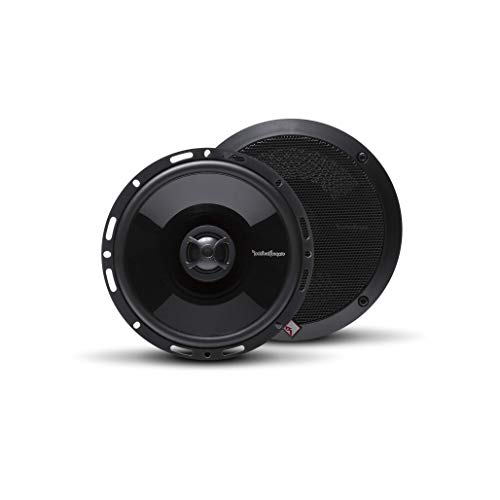
Component speakers include separate tweeters and crossovers. Beginners often mount tweeters too far from the woofer or aim them incorrectly, causing harsh or disjointed sound. Tweeters should be placed at ear level (e.g., on the dash or sail panel) and aimed toward the opposite seat. Crossovers must be mounted securely away from moisture. If using coaxial speakers, ensure the tweeter is not blocked by grilles or panels.
Frequently Asked Questions
Can I just replace factory speakers without changing the stereo?
Yes, but you must choose speakers with the same impedance (usually 4 ohms) and high sensitivity (90+ dB) to work well with the low power output of factory stereos. Otherwise, volume may drop or distortion increase.
What size speakers fit my car?
Check your vehicle’s manual or use an online fitment guide. Common sizes are 6.5 inches for doors and 6×9 inches for rear decks. Adapter rings are often needed to ensure proper fit and seal.
Do I need an amplifier for aftermarket speakers?
Not always, but an amplifier dramatically improves clarity and volume. Factory stereos lack power to drive aftermarket speakers to their potential. For best results, pair upgraded speakers with a small 4-channel amp (50W RMS per channel).
The Bottom Line
Upgrading factory speakers can transform your car audio, but avoid common beginner mistakes: match impedance, consider power and sensitivity, install properly with adapters and sound deadening, and place tweeters correctly. For more guidance, check our car audio guides. If you need other tools like an OBD2 scanner or jump starter, see our best OBD2 scanners page.