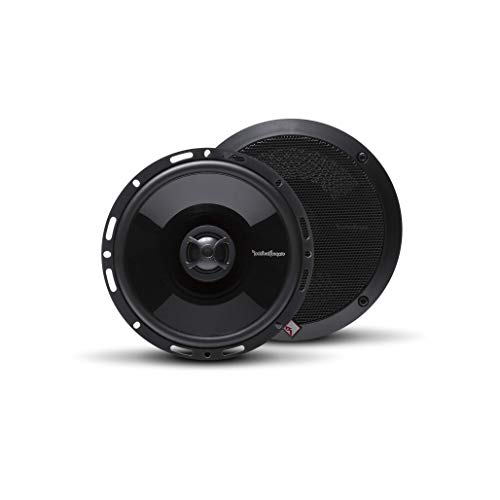
Upgrading factory speakers often leads to issues like distorted sound, rattling, or no audio at all. The main causes are impedance mismatch, insufficient power from the head unit, and poor installation. Here is an honest breakdown of what goes wrong and how to avoid these problems.
1. Impedance Mismatch and Its Effects
Factory speakers typically have an impedance of 4 ohms, while many aftermarket speakers are 2 or 4 ohms. If you install 2 ohm speakers on a factory system designed for 4 ohms, the amplifier will draw more current, potentially overheating or triggering protection mode. This can cause distortion or intermittent sound. Conversely, using 8 ohm speakers reduces volume significantly. Always match the impedance to the factory spec or upgrade the amplifier.
2. Power Handling and Sensitivity
Factory head units usually output only 10-15 watts RMS per channel. Aftermarket speakers often require 20-50 watts RMS to sound their best. If you install high-power speakers without an external amplifier, they will sound weak and lack bass. Sensitivity ratings also matter: speakers with lower sensitivity (under 88 dB) need more power. For factory systems, choose speakers with high sensitivity (90+ dB) and low RMS power handling (20-30 watts) to avoid underpowering.
3. Installation Mistakes and Fitment Issues
Common installation errors include incorrect wiring polarity, which causes phase cancellation and weak bass. Also, aftermarket speakers may not fit properly without adapters, leading to air leaks and rattling. Use speaker adapters and seal gaps with foam tape. Additionally, failing to dampen door panels can cause resonance. For best results, consider adding sound deadening material. If you need a complete upgrade path, check out our guide on car audio upgrades.
4. Factory Audio Processing and Equalization
Many modern cars have factory equalization that compensates for cheap speakers. When you install aftermarket speakers, the factory EQ may boost frequencies that now sound harsh or boomy. This is especially common with premium sound systems like Bose or Harman Kardon. To fix this, you may need a digital signal processor (DSP) to flatten the factory EQ curve. Without it, even good speakers can sound terrible.
Frequently Asked Questions
Why do my new speakers sound worse than the factory ones?
This is often due to impedance mismatch or factory EQ. The new speakers may be less sensitive or the factory system is tuned for the original speakers. Try adjusting the EQ or adding an amplifier.
Can I just replace the speakers without changing the head unit?
Yes, but choose speakers with high sensitivity (90+ dB) and 4 ohm impedance. Expect limited bass and volume. For best results, add a small amplifier.
Do I need a DSP for factory speaker upgrades?
If your car has a factory premium sound system, a DSP is highly recommended to correct the factory EQ. It makes a huge difference in sound quality.
The Bottom Line
Factory speaker upgrades fail due to impedance mismatch, low power, poor installation, and factory EQ. To succeed, match impedance, choose high-sensitivity speakers, install properly, and consider a DSP. For reliable tools to diagnose audio issues, see our best OBD2 scanners.