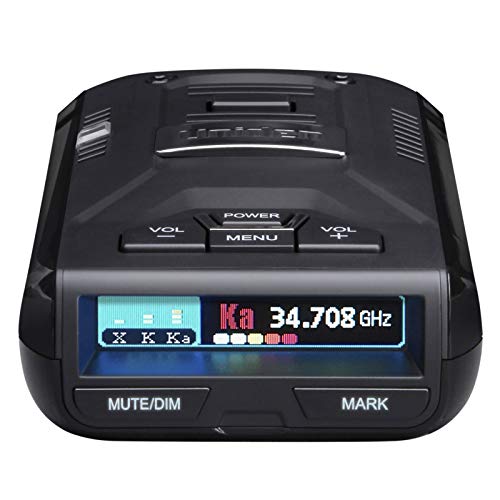
Installing a radar detector in your vehicle can provide advance warnings of speed enforcement, allowing you to drive more aware and adjust your speed accordingly. While some high end units require professional installation, most portable radar detectors are designed for easy, do it yourself setup.
This guide will walk you through the essential steps for installing a radar detector in your car, covering everything from legal considerations and optimal placement to powering your device and managing cables for a clean, effective setup. We focus on practical advice for drivers in the United States.
1. Understanding Radar Detector Types and Legal Considerations
Before you begin installation, it’s important to understand the type of radar detector you have and the legal landscape surrounding its use. Most drivers use portable units that attach to the windshield or dashboard, powered by a 12V accessory port or hardwired into the vehicle’s electrical system. Remote installed units, which have hidden components, are typically installed by professionals.
- **Legality in the US:** Radar detectors are legal for use in private passenger vehicles across most of the United States. However, their use is prohibited in all commercial vehicles. Also, radar detectors are illegal in Virginia and Washington D.C. The Federal Communications Commission (FCC) regulates devices that emit or receive radio frequencies, and radar detectors generally comply with these regulations for private use. Always check local and state laws to ensure compliance.
- **Windshield Obstruction Laws:** Be mindful of laws regarding obstructions on your windshield. While a small device like a radar detector is usually permissible, ensure it doesn’t significantly impede your field of vision.
2. Choosing the Optimal Mounting Location
The effectiveness of your radar detector heavily depends on its mounting location. It needs a clear line of sight to detect radar and laser signals from the front and rear of your vehicle. Manufacturers often provide specific recommendations for optimal placement.
- **High and Central:** Generally, the best position is high on the windshield, as close to the center as possible. This elevated position provides the best range and detection angle for both radar and laser.
- **Avoid Obstructions:** Don’t mount your detector behind windshield wipers, heavily tinted areas, or any metallic or reflective coatings that might be integrated into your windshield. These can block or significantly reduce signal reception. Some vehicles have a ‘radar transparent’ area near the rearview mirror specifically for electronic devices.
- **Stability:** Ensure the mounting surface is clean and dry before attaching suction cups or adhesive mounts. A stable mount prevents the detector from falling or vibrating, which can affect performance and be a distraction.
3. Powering Your Radar Detector
Your radar detector requires power to operate. There are two primary methods for providing power to most portable units:
- **12V Accessory Port (Cigarette Lighter):** This is the simplest and most common method. Plug the provided power cord into your vehicle’s 12V accessory port. This method is quick and easy, requiring no special tools or electrical knowledge. Ensure the cable is routed safely and doesn’t interfere with driving controls.
- **Hardwiring:** For a cleaner, more permanent installation, you can hardwire your radar detector directly into your vehicle’s fuse box. This hides the power cable completely and frees up your 12V port. Hardwiring typically involves using a fuse tap to draw power from an existing fuse that turns on and off with your ignition. While this offers a professional look, it requires basic electrical knowledge and tools. If you’re uncomfortable working with your vehicle’s electrical system, it’s advisable to seek professional assistance to avoid potential damage.
4. Cable Management for a Clean Setup
Regardless of your chosen power method, proper cable management is essential for a tidy and safe installation. Loose cables can be distracting, get tangled, or interfere with vehicle controls.
- **Tucking and Routing:** For 12V power cords, carefully tuck the cable along the edge of the windshield, down the A pillar, and under the dashboard towards the accessory port. Use small cable clips or adhesive tape to secure the cable in place.
- **Hardwire Aesthetics:** When hardwiring, the goal is typically to make the installation virtually invisible. Route the power cable behind the headliner, down the A pillar, and behind the dashboard panels to the fuse box. This often requires gentle prying of trim pieces, so proceed with caution or consult a professional.
- **Safety First:** Ensure no cables obstruct airbags, driver controls, or your field of vision.
5. Initial Setup and Testing
Once your radar detector is mounted and powered, it’s time for initial setup and testing.
- **Power On and Basic Settings:** Turn on your vehicle’s ignition and then power on your radar detector. Most modern detectors have various settings for sensitivity, filtering false alerts (e.g., from automatic door openers), and display brightness. Refer to your owner’s manual for specific instructions on how to navigate these settings.
- **Test Drive:** Take your vehicle for a short drive, preferably in an area where you know radar is sometimes used (e.g., near a highway patrol station or commonly monitored stretch of road, while always observing speed limits). Pay attention to how the detector alerts and its range.
- **Adjust and Optimize:** Based on your test drive, you may need to adjust sensitivity or filter settings to reduce false alerts while maintaining effective detection of legitimate threats.
Frequently Asked Questions
Is it legal to use a radar detector in my car?
Yes, radar detectors are legal for use in private passenger vehicles in most US states. However, they’re illegal in all commercial vehicles and specifically prohibited in Virginia and Washington D.C. Always verify local and state regulations.
Where is the best place to mount a radar detector?
The optimal location is high on the windshield, as close to the center as possible, with an unobstructed view of the road ahead and behind. Avoid areas behind wipers, heavily tinted glass, or metallic windshield coatings that can block signals.
Can I hardwire my radar detector myself?
Hardwiring is achievable for individuals with basic electrical knowledge and tools. However, if you aren’t confident working with your vehicle’s electrical system, it’s highly recommended to consult a professional installer to avoid potential vehicle damage or electrical issues.
Do radar detectors work through tinted windows?
Heavily tinted or metallic coated windshields can significantly reduce a radar detector’s range and effectiveness, especially for laser detection. Standard window tinting usually has less impact, but it’s best to mount the detector in a clear area if possible.
How do I manage the power cable for a clean installation?
For a clean setup, tuck the power cable along the windshield trim, down the A pillar, and under the dashboard. Use cable clips to secure it. For hardwired units, the cable can be routed behind interior panels to conceal it completely.
The Bottom Line
Installing a radar detector is a straightforward process that can significantly enhance your driving awareness. By understanding the legal landscape, choosing an optimal mounting location, ensuring proper power, and managing cables effectively, you can achieve a functional and discreet setup. Always refer to your radar detector’s owner’s manual for model specific instructions and settings to get the most out of your device.
More Radar Detectors Guides
- Best Radar Detectors with GPS (Researched and Compared)
- Are Radar Detectors Legal: State by State
- 7 Best Radar Detectors for Your Car in 2026 (Range and Accuracy Evaluated)
- Radar vs Lidar: What Detectors Can and Can’t Do
- Best Undetectable Radar Detectors (Researched and Compared)
- Are Radar Detectors Legal in Your State