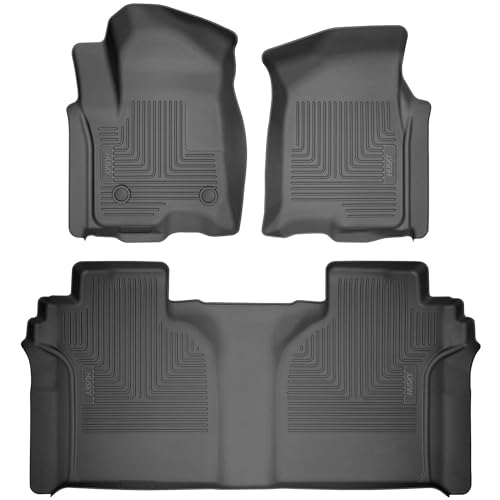
To clean winter floor liners properly, start by removing them from your vehicle and shaking off loose debris. Then wash with mild soap and water, rinse thoroughly, and dry completely before reinstalling. The exact method depends on your liner material: rubber or plastic liners are easiest, while carpeted liners need more care.
Rubber and Plastic Liners: Simple and Effective
These are the most common winter liners. First, take them out and shake or vacuum off dirt, salt, and sand. Mix a solution of warm water and a few drops of dish soap or a dedicated cleaner like Simple Green. Scrub with a soft brush or sponge, focusing on grooves where grime hides. Rinse with a hose or bucket of clean water. Avoid using pressure washers, as high pressure can damage the liner’s texture. Dry with a microfiber towel or let air dry completely. Never reinstall wet liners, as moisture can lead to mold or rust on your vehicle’s floor.
Carpeted Liners: More Effort Required
Carpeted liners (often made of nylon or polyester) trap salt and moisture deeper. Vacuum thoroughly first. For stains, use a carpet cleaner or a mix of vinegar and water (1:1 ratio). Blot stains with a clean cloth, don’t rub. For heavy salt residue, let the liner soak in a bucket of warm water with mild detergent for 15 minutes, then scrub gently. Rinse with clean water and squeeze out excess. Hang to dry in a well-ventilated area, but avoid direct sunlight which can fade colors. Drying can take 24-48 hours. If you’re in a hurry, use a wet/dry vacuum to extract water. Note that carpeted liners are less durable than rubber, so replace them if the backing starts to separate.
Common Mistakes and Honest Caveats
Don’t use bleach or harsh chemicals: they can degrade rubber or discolor carpet. Avoid machine washing unless the manufacturer explicitly allows it; most liners will warp or lose shape. Never use a dryer, even on low heat, as heat can melt rubber or shrink carpet. For stubborn salt stains on rubber, a 50/50 vinegar-water solution works better than soap. If your liners have a textured surface, a stiff-bristle brush is your best friend. Also, check for cracks or wear after cleaning: winter liners take a beating, and replacing them every 2-3 years is normal. For additional protection, consider using a high-quality set of floor mats like those reviewed on our floor mats page.
Frequently Asked Questions
Can I use a pressure washer on winter floor liners?
Only on heavy-duty rubber liners and only at low pressure (under 1500 PSI). Avoid spraying directly at edges or seams. For plastic or carpeted liners, stick to hand washing to prevent damage.
How often should I clean winter floor liners?
At least once a month during winter, or more often if you drive in heavy snow or slush. Salt buildup can eat through liners and cause rust on your vehicle floor. A quick rinse every two weeks helps.
What’s the best cleaner for winter floor liners?
For rubber, a dedicated rubber cleaner or mild dish soap works best. For carpet, a pH-neutral carpet cleaner or vinegar solution. Avoid ammonia-based cleaners, which can cause yellowing. Always test a small area first.
The Bottom Line
Proper cleaning extends the life of your winter floor liners and keeps your vehicle’s interior fresh. Rubber and plastic liners are low-maintenance, while carpeted ones need gentle care. Stick to mild cleaners, avoid heat, and dry completely. For more advice on car care products, check out our guide on best OBD2 scanners to keep your whole vehicle in top shape.