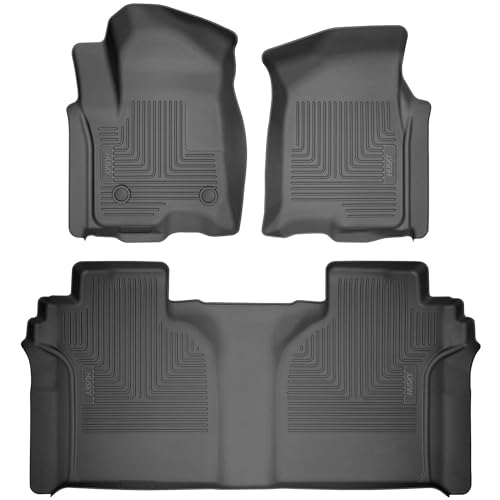
All-weather floor mats are worth the price premium if you frequently deal with mud, snow, rain, or spills. They cost $100 to $250 versus $30 to $80 for carpet mats, but they prevent permanent stains and odor absorption that can lower your car’s resale value by hundreds of dollars. For most drivers in wet or messy climates, the extra cost pays for itself within a few years. However, if you live in a dry area and always keep your car clean, carpet mats may suffice.
How Much More Do All-Weather Mats Cost and What Do You Get?
All-weather floor mats typically cost 2 to 4 times more than standard carpet mats. A basic set of carpet mats runs $30 to $80, while a quality all-weather set (like Husky Liners or WeatherTech) costs $100 to $250. The premium buys you heavy-duty rubber or thermoplastic material that is waterproof, UV-resistant, and designed with raised edges to trap liquid and debris. Carpet mats absorb moisture and dirt, leading to mold, mildew, and permanent staining. All-weather mats can be hosed off and wiped dry in minutes, lasting 5 to 10 years compared to 2 to 3 years for carpet mats.
When Are All-Weather Floor Mats a Smart Investment?
All-weather mats are worth it if you drive in snow, rain, or mud regularly. They protect against salt corrosion in winter states and sand or dirt in coastal areas. They also benefit families with kids or pets who cause spills and messes. A single coffee spill on carpet mats can leave a permanent odor; all-weather mats contain the spill and clean easily. Additionally, if you plan to sell your car, clean carpets boost resale value. A set of all-weather mats costs less than a professional carpet cleaning ($100 to $200) and far less than carpet replacement ($500+). For drivers in harsh climates or with messy lifestyles, the investment pays off quickly.
When Are All-Weather Floor Mats NOT Worth It?
All-weather mats are not worth the premium if you live in a dry, mild climate with little rain or snow. If your car rarely sees mud or spills, carpet mats will stay clean for years. Also, if you lease your car and plan to return it, you may not care about long-term carpet condition. Some drivers dislike the hard plastic feel underfoot or the way all-weather mats can shift (though many have anti-slip backing). Finally, if you are on a tight budget, carpet mats are adequate for basic protection. In these cases, save your money and stick with carpet mats.
How to Choose the Best All-Weather Floor Mats for Your Needs
Look for custom-fit mats that match your vehicle’s floor contours. Universal mats are cheaper but can slide and leave gaps. Choose a material like thermoplastic or heavy-duty rubber that stays flexible in cold weather. Check that the mat has a high lip (at least 1 inch) to contain spills. Brands like WeatherTech and Husky Liners offer laser-measured fit for most vehicles. For budget options, consider our recommended floor mats that balance cost and durability. Avoid mats that are too thin or flimsy; they won’t trap debris effectively.
Frequently Asked Questions
Do all-weather floor mats damage carpet?
No, quality all-weather mats with proper backing do not damage carpet. However, cheap mats with hard plastic nubs can wear carpet over time. Always choose mats with a smooth or rubberized backing and ensure they fit securely to prevent movement.
Can all-weather floor mats be used year-round?
Yes, many drivers use them year-round for consistent protection. Some prefer to swap them out for carpet mats in summer for a quieter, plusher feel, but all-weather mats work fine in all seasons.
How do you clean all-weather floor mats?
Remove the mats, shake off loose dirt, and spray with a hose or pressure washer. Use mild soap if needed. Let them air dry completely before reinstalling. Avoid harsh chemicals that can degrade the rubber.
The Bottom Line
All-weather floor mats are worth the price premium for most drivers who face wet, muddy, or messy conditions. They protect your car’s interior, simplify cleaning, and preserve resale value. If you live in a dry climate and keep your car spotless, carpet mats are fine. For everyone else, the $100 to $250 investment is a smart, long-term buy.