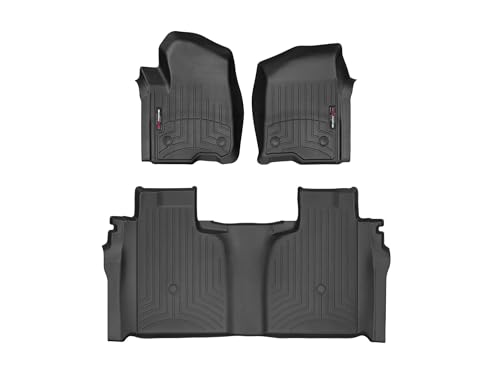
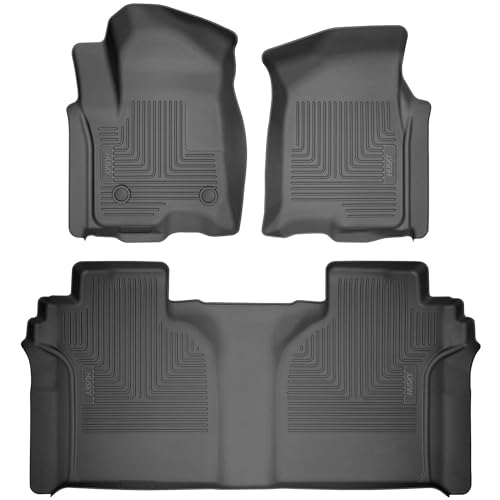
Floor mats are more than just an accessory for your vehicle; they’re a critical component for protecting your car’s interior, enhancing its aesthetic, and even contributing to safety. From daily commutes to adventurous road trips, your car’s flooring endures constant wear and tear from dirt, moisture, and debris. Choosing the right type of floor mat is crucial for maintaining your vehicle’s condition and resale value.
This guide delves into the key differences between two primary types of floor mats: rubber and carpet. We’ll explore their unique characteristics, benefits, and drawbacks to help you make an informed decision tailored to your lifestyle and driving environment. Understanding these distinctions will ensure your vehicle’s interior remains pristine and functional for years to come.
Rubber Floor Mats: Durability and Protection
Rubber floor mats, often referred to as ‘all weather’ mats, are engineered for maximum protection against the elements. They’re typically made from heavy duty rubber, thermoplastic elastomer (TPE), or vinyl. These materials are renowned for their resilience and ability to withstand harsh conditions.
- Superior Protection: Rubber mats excel at containing spills, snow, mud, and dirt. Their raised edges and intricate channels are designed to trap liquids and debris, preventing them from seeping into your car’s carpet.
- Weather Resistance: Ideal for regions with frequent rain, snow, or muddy conditions. They provide an impermeable barrier that protects the original carpet from moisture damage, mold, and stains.
- Easy to Clean: Maintenance is straightforward. Most rubber mats can be hosed off, wiped down, or simply removed and shaken clean, making them a practical choice for active individuals or families with pets and children.
- Longevity: Due to their durable construction, rubber mats are extremely durable and can last for many years, often outliving the vehicle itself with proper care.
Carpet Floor Mats: Aesthetics and Comfort
Carpet floor mats, commonly found as original equipment in most vehicles, prioritize interior aesthetics, comfort, and a refined look. They’re typically constructed from high quality nylon, polypropylene, or other synthetic fibers, often featuring a non slip backing.
- Enhanced Aesthetics: Available in a wide array of colors and textures, carpet mats can smoothly match or complement your vehicle’s interior, providing a luxurious and cohesive appearance. Many custom options allow for personalized logos or designs.
- Comfort and Sound Dampening: The soft texture of carpet mats offers a more comfortable feel underfoot. They also contribute to a quieter cabin by absorbing road noise and vibrations, enhancing the overall driving experience.
- Basic Protection: While not as strong as rubber mats against heavy spills or mud, carpet mats still offer a good level of protection against everyday dirt, dust, and minor moisture, preventing direct wear on the vehicle’s original flooring.
- Multi-purpose Style: From plush Saxony to durable loop pile, carpet mats offer versatility in style that rubber mats can’t match, allowing owners to customize their vehicle’s interior feel.
Safety Considerations and Retention Systems
Regardless of the material, the safety of floor mats is paramount. Improperly secured floor mats, particularly on the driver’s side, can interfere with pedal operation, leading to serious safety hazards. The National Highway Traffic Safety Administration (NHTSA) has investigated incidents related to unsecured floor mats and emphasizes the critical importance of using proper retention systems.
Most modern vehicles are equipped with floor mat retention clips, hooks, or posts designed to secure the mats firmly in place. It’s essential to ensure that any replacement mats are compatible with your vehicle’s retention system and are always installed correctly. Never stack floor mats, as this can impede pedal movement and render the retention system ineffective. Always verify that the mat is flat and securely fastened before driving.
Maintenance and Longevity Comparison
The maintenance requirements and expected lifespan differ significantly between rubber and carpet floor mats.
- Rubber Mat Maintenance: These mats are exceptionally easy to clean. For routine cleaning, a quick shake or wipe with a damp cloth is often sufficient. For heavier grime, they can be removed from the vehicle and hosed down with water and mild soap, then air dried. Their non absorbent nature means they dry quickly and resist odors.
- Carpet Mat Maintenance: Carpet mats require more diligent care. Regular vacuuming is necessary to remove trapped dirt and dust. For spills or stains, spot cleaning with a carpet cleaner is often required. Deep cleaning may involve shampooing or steam cleaning. If not dried thoroughly, carpet mats can retain moisture, potentially leading to mildew or unpleasant odors.
- Longevity: Rubber mats generally boast a longer lifespan due to their inherent durability and resistance to wear, tear, and environmental factors. Carpet mats, while durable, can show signs of wear, fading, and matting over time, especially in high traffic areas, and may require replacement sooner.
Choosing the Right Mat for Your Lifestyle
The best floor mat for your vehicle ultimately depends on your specific needs, driving habits, and the environment you typically encounter.
- For Harsh Climates or Active Lifestyles: If you frequently deal with snow, rain, mud, or transport outdoor gear, pets, or children, rubber floor mats are the superior choice. Their protective capabilities and ease of cleaning will save your vehicle’s interior from significant wear.
- For Urban Driving or Aesthetic Focus: If your primary concern is maintaining a clean, luxurious, and quiet interior for urban driving or daily commutes, and you experience minimal exposure to extreme elements, carpet mats offer the best blend of style and comfort.
- Seasonal Use: Many vehicle owners opt for a seasonal approach, using rubber mats during winter months and switching to carpet mats for the warmer, drier seasons. This strategy provides optimal protection year round while allowing for aesthetic flexibility.
- Custom vs. Universal Fit: For maximum protection and safety, custom fit mats designed specifically for your vehicle’s make and model are always recommended over universal fit options. Custom mats ensure full coverage and proper alignment with retention systems.
Frequently Asked Questions
How often should I clean my floor mats?
The frequency depends on your driving habits and environment. Rubber mats should be cleaned as needed, often weekly in messy conditions. Carpet mats benefit from weekly vacuuming and spot cleaning as stains occur, with deep cleaning every few months or seasonally.
Can I use both rubber and carpet mats in my vehicle?
Yes, many drivers choose to use rubber mats during wet or snowy seasons for maximum protection and switch to carpet mats during drier months to enhance interior aesthetics and comfort. Ensure only one set of mats is installed at a time, especially on the driver’s side.
Are universal fit mats as good as custom fit mats?
Generally, no. Custom fit mats are designed precisely for your vehicle’s floor dimensions, offering superior coverage and ensuring compatibility with your car’s safety retention systems. Universal mats may not fit perfectly, potentially leaving areas exposed or sliding, which can be a safety concern.
Do floor mats prevent rust in my car?
While floor mats don’t directly prevent rust on the vehicle’s undercarriage, they play a crucial role in preventing interior rust. By effectively trapping and containing moisture, salt, and mud, they prevent these corrosive elements from reaching and damaging the metal floor pan beneath your car’s carpet, thus protecting against interior rust and mold.
How do I prevent my floor mats from sliding?
To prevent sliding, always use mats that are compatible with your vehicle’s factory installed retention clips, hooks, or posts. Ensure the mats are properly secured to these anchors. Custom fit mats are less likely to slide than universal ones. Avoid stacking mats, as this can hinder their ability to stay in place.
The Bottom Line
The choice between rubber and carpet floor mats boils down to balancing protection, aesthetics, and maintenance preferences. Rubber mats offer unparalleled durability and weather protection, making them ideal for challenging environments and active lifestyles. Carpet mats provide a touch of luxury, comfort, and sound dampening, perfect for those prioritizing interior style. By considering your specific needs and the conditions your vehicle faces, you can select the floor mats that best preserve your car’s interior and enhance your driving experience for years to come.
More Floor Mats Guides
- 7 Best All Weather Car Floor Mats for 2026 (Mud and Snow Evaluated)
- Rubber vs Carpet Floor Mats: Which Is Better
- 7 Best Floor Mats for Ford Maverick in 2026 (All-Weather Evaluated)
- 7 Best Floor Mats for Honda Ridgeline in 2026 (All-Weather Evaluated)
- 7 Best Floor Mats for BMW X5 in 2026 (All-Weather Evaluated)
- 7 Best Floor Mats for Tesla in 2026 (All-Weather Evaluated)