Tire rotation is a fundamental and often overlooked aspect of vehicle maintenance that plays a crucial role in the longevity and performance of your tires. While it might seem like a minor task, understanding its importance and adhering to a regular schedule can significantly impact your driving experience and overall vehicle safety.
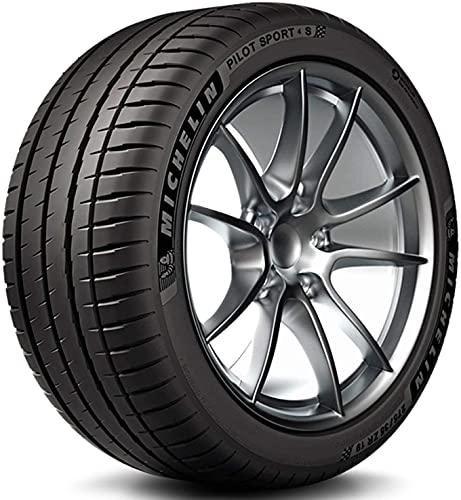
Michelin Pilot Sport 4
This guide from MustCarBeast will explain what tire rotation entails, why it’s essential, and provide clear, practical advice on how often you should perform this vital service to maximize your tire investment and maintain optimal vehicle handling and efficiency.
What is Tire Rotation and Why is it Essential?
Tire rotation is the practice of moving your vehicle’s wheels and tires from one position to another, typically following a specific pattern. The primary reason for this practice stems from the fact that tires on different axles and sides of a vehicle wear at varying rates due to differences in weight distribution, braking forces, steering, and power delivery.
For instance, on front-wheel-drive (FWD) vehicles, the front tires bear the brunt of steering, braking, and acceleration, leading to faster wear on the shoulders and tread. Rear-wheel-drive (RWD) vehicles often see more wear on the rear tires. By regularly rotating tires, you ensure that each tire experiences a variety of positions on the vehicle, promoting more uniform tread wear across all four tires. This even wear is critical for extending tire life, maintaining consistent traction, and preserving the integrity of your vehicle’s suspension components.
Recommended Tire Rotation Intervals
The most commonly recommended interval for tire rotation is every 5,000 to 8,000 miles, or roughly every six months. For many drivers, this conveniently aligns with their vehicle’s oil change schedule, making it easy to remember and incorporate into routine maintenance. However, it’s paramount to consult two key sources for the most accurate recommendation:
- Your Vehicle Owner’s Manual: The vehicle manufacturer provides specific guidelines based on the vehicle’s design, weight distribution, and typical use.
- Your Tire Manufacturer’s Guidelines: Tire manufacturers also provide recommendations, often found in the tire’s warranty or on their website, which may vary depending on the tire type (e.g., all-season, performance, winter).
Adhering to these recommendations isn’t only beneficial for tire performance but can also be a requirement for maintaining your tire warranty. Deviations from recommended intervals, especially on modern vehicles with advanced suspension systems, can lead to uneven wear patterns that are difficult to correct once established.
Factors Influencing Your Rotation Schedule
While general guidelines exist, several factors can influence how frequently your tires should be rotated:
- Vehicle Type: Front-wheel-drive (FWD), rear-wheel-drive (RWD), all-wheel-drive (AWD), and four-wheel-drive (4WD) vehicles exhibit different wear patterns. FWD vehicles typically wear front tires faster, while RWD vehicles may show more wear on the rear. AWD and 4WD systems often distribute power more evenly, but rotation is still crucial.
- Driving Style: Aggressive driving, frequent hard braking, rapid acceleration, and high-speed cornering will accelerate tire wear, necessitating more frequent rotations.
- Tire Type: Directional tires, which are designed to rotate in one direction for optimal performance (especially in wet conditions), can only be moved from front to back on the same side of the vehicle. Non-directional tires offer more rotation pattern flexibility. Staggered fitments (different tire sizes front and rear) may limit rotation options or make it impossible to rotate them to different axles.
- Road Conditions: Regularly driving on rough roads, gravel, or through extensive urban stop-and-go traffic can impact tire wear rates and might suggest a slightly more frequent rotation schedule.
- Towing or Heavy Loads: Vehicles that frequently tow or carry heavy loads will experience increased stress and wear on their rear tires, which could warrant more attention to rotation.
Understanding Tire Rotation Patterns
Different vehicles and tire types require specific rotation patterns to achieve optimal wear. Here are the most common patterns:
- Forward Cross (FWD Vehicles): Rear tires move to the front on the same side, and front tires cross to the opposite rear position. (e.g., Left Rear to Left Front; Right Rear to Right Front; Left Front to Right Rear; Right Front to Left Rear).
- Rearward Cross (RWD/4WD Vehicles): Front tires move to the rear on the same side, and rear tires cross to the opposite front position. (e.g., Left Front to Left Rear; Right Front to Right Rear; Left Rear to Right Front; Right Rear to Left Front).
- X-Pattern: All four tires move diagonally. This is often recommended for FWD cars, where the front tires move to the opposite rear, and the rear tires move to the opposite front.
- 5-Tire Rotation: If you have a full-size spare tire that matches your other four, incorporating it into the rotation pattern can extend the life of all five tires. This typically involves moving the spare into a specific position, often the right rear, and shifting the other tires accordingly.
- Directional Tires: These tires have a specific tread pattern designed to rotate in only one direction. They should only be rotated from front to rear on the same side of the vehicle to maintain their intended performance.
- Staggered Fitments: Vehicles with different tire sizes on the front and rear axles (common on many sports cars) may not be able to be rotated between axles. In such cases, if the tires are non-directional, they can sometimes be rotated side-to-side on the same axle.
Always refer to your vehicle’s owner’s manual or a certified technician to determine the correct pattern for your specific vehicle and tire setup.
Signs Your Tires Need Rotation (or Are Overdue)
While following a schedule is best, your vehicle can sometimes provide clues that a tire rotation is overdue:
- Uneven Tread Wear: This is the most obvious sign. Look for wear patterns like ‘feathering’ (tread ribs worn more on one side), ‘cupping’ (scalloped dips in the tread), or excessive wear on the inner or outer shoulders of the tire.
- Vibrations: If you notice new or increased vibrations through the steering wheel or seat, especially at certain speeds, it could indicate uneven tire wear.
- Increased Road Noise: A humming, roaring, or thumping noise that wasn’t present before could be a sign of unevenly worn tires, particularly if the noise changes with speed or turning.
- Reduced Handling or Traction: If your vehicle feels less stable, exhibits diminished grip in wet conditions, or pulls to one side, uneven tire wear could be a contributing factor.
- Visual Inspection: Regularly inspect your tires for any visible differences in tread depth or unusual wear patterns between the front and rear axles.
Addressing these signs promptly can prevent further damage to your tires and maintain your vehicle’s safety and performance.
The Benefits of Regular Tire Rotation
Consistent tire rotation offers a multitude of advantages that contribute to both your safety and your wallet:
- Maximized Tread Life: By promoting even wear, rotation ensures that all tires wear down at a similar rate, allowing you to get the maximum possible mileage out of your tire set before needing replacement. This can significantly reduce long-term tire costs.
- Improved Safety: Evenly worn tires provide consistent grip and handling across all four corners of the vehicle. This translates to better braking performance, enhanced stability, and more predictable steering, particularly in adverse weather conditions.
- Enhanced Vehicle Performance: Maintaining uniform tread depth helps your vehicle’s suspension system work as intended, leading to a smoother ride, reduced strain on components, and optimized fuel efficiency.
- Warranty Compliance: Many tire manufacturers require proof of regular tire rotation as a condition of their treadwear warranty. Failing to rotate your tires according to their schedule could void your warranty, leaving you responsible for premature tire replacement costs.
- Early Detection of Issues: During a tire rotation, technicians often inspect the tires, brakes, and suspension components, potentially catching minor issues before they become major, costly repairs.
Professional Service vs. DIY Rotation
While it’s possible for a mechanically inclined individual to rotate their own tires, it requires proper equipment, including a reliable jack, jack stands, and a torque wrench, to ensure safety and correct installation. The American Lift Institute (ALI) emphasizes the importance of proper lifting equipment and procedures for vehicle safety.
For most drivers, opting for professional tire rotation service is the recommended approach. Automotive service centers have specialized lifts, tools, and experienced technicians who can perform the rotation efficiently and correctly, ensuring proper torque specifications are met for wheel nuts and inspecting for any other potential issues. Many service providers also offer tire rotation as part of a package with oil changes or other routine maintenance, making it a convenient and cost-effective option.
Frequently Asked Questions
What happens if I don't rotate my tires?
If you don’t rotate your tires, they’ll wear unevenly. This leads to a reduced lifespan for your tire set, requiring you to replace them prematurely. Uneven wear also compromises vehicle safety by reducing traction, affecting handling and braking performance, and potentially causing vibrations or increased road noise. Also, it could void your tire manufacturer’s treadwear warranty.
Do all tires need to be rotated?
Most standard, non-directional tires on vehicles with the same size wheels and tires on all four corners should be rotated. However, directional tires, which have a specific rotation direction, can only be rotated front-to-rear on the same side of the vehicle. Vehicles with staggered fitments (different tire sizes on the front and rear axles) or unique wheel offsets may not be able to be rotated between axles, or only side-to-side on the same axle. Always consult your vehicle’s owner’s manual or a tire professional.
How long does a tire rotation take?
A professional tire rotation typically takes between 15 to 30 minutes, depending on the service center’s efficiency and whether other services (like an oil change or tire balancing) are performed concurrently. It’s a relatively quick procedure that yields significant benefits.
Should I rotate my tires if they look fine?
Yes, it’s highly recommended to rotate your tires according to the manufacturer’s recommended intervals, even if they appear to be wearing evenly. Tire rotation is a preventative maintenance measure designed to prevent uneven wear from developing in the first place. By the time uneven wear becomes visually apparent, the damage is already done, and the benefits of rotation are diminished.
Does tire rotation include balancing?
Tire rotation and tire balancing are distinct services. Tire rotation involves moving the wheel and tire assemblies to different positions on the vehicle. Tire balancing, on the other hand, corrects the weight distribution of an individual wheel and tire assembly to prevent vibrations. While some service packages may include both, tire rotation doesn’t inherently include balancing. It’s important to clarify with your service provider whether balancing is part of the rotation service.
The Bottom Line
Regular tire rotation is a simple yet profoundly effective maintenance practice that’s essential for any vehicle owner. By adhering to recommended schedules and understanding the factors that influence tire wear, you can significantly extend the life of your tires, enhance your vehicle’s safety and performance, and save money in the long run. Make tire rotation a consistent part of your vehicle’s maintenance routine to ensure a smoother, safer, and more economical driving experience.