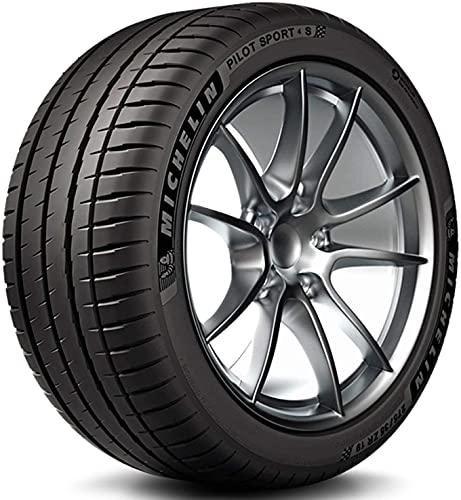
Run-flat tires generally last between 25,000 and 50,000 miles, which is comparable to standard tires. Their lifespan depends on factors like driving habits, tire construction, and proper maintenance. While they offer the convenience of driving up to 50 miles after a puncture, they don’t last longer than regular tires and often require earlier replacement due to stiffer sidewalls.
What Affects Run-Flat Tire Lifespan?
Several factors determine how many miles you can get from run-flat tires. Tire construction plays a role: run-flats have reinforced sidewalls that support the vehicle after air loss, but this stiffness can lead to faster wear, especially on rough roads. Driving habits matter too: aggressive acceleration, hard braking, and high-speed cornering increase tread wear. Road conditions also impact longevity; potholes and debris can damage the stiffer sidewalls, potentially shortening tire life. Also, underinflation or overinflation accelerates uneven wear, so maintaining proper air pressure is critical. Finally, vehicle weight and alignment affect wear patterns: heavier vehicles and misaligned wheels cause tires to wear out sooner.
How Many Miles Can You Expect?
Most run-flat tires come with a treadwear warranty of 30,000 to 50,000 miles, similar to standard all-season tires. However, real-world mileage often falls on the lower end of that range, around 25,000 to 40,000 miles, due to the stiffer sidewalls and reduced cushioning. For example, a set of run-flats on a BMW 3 Series might last 30,000 miles with careful driving, while the same tires on a heavier SUV could wear out by 25,000 miles. It’s important to note that run-flats can’t be repaired after a puncture, so a single flat may require a full replacement, effectively ending the tire’s life prematurely. Always check the manufacturer’s warranty and tread depth regularly; replace tires when tread reaches 2/32 inch.
Run-Flat vs. Standard Tire Longevity
Run-flat tires don’t last longer than standard tires; in fact, they often wear out faster. The stiffer sidewalls generate more heat and provide less flexibility, leading to increased tread wear and reduced ride comfort. Standard tires typically last 40,000 to 60,000 miles, while run-flats average 25,000 to 40,000 miles. However, run-flats offer the benefit of extended mobility after a puncture, which can save you from being stranded. If you prioritize longevity and ride comfort, standard tires are the better choice. For more details on tire options, check out our tire guides.
Tips to Extend Run-Flat Tire Life
To maximize the lifespan of your run-flat tires, follow these practices: Check tire pressure monthly and keep it at the manufacturer’s recommended level. Rotate tires every 5,000 to 7,500 miles to promote even wear. Avoid potholes and rough roads when possible, as impacts can damage the sidewalls. Drive smoothly: avoid sudden starts, stops, and sharp turns. Have your alignment checked annually or if you notice uneven wear. Also, consider the climate: run-flats perform worse in cold weather and may wear faster in extreme heat. If you live in an area with harsh winters, you might get less mileage from run-flats.
Frequently Asked Questions
Can run-flat tires be repaired?
No, most manufacturers don’t recommend repairing run-flat tires after a puncture. The sidewall structure is compromised, and the tire can’t safely support the vehicle even after a repair. If you get a flat, you’ll likely need to replace the tire.
Do run-flat tires wear out faster than regular tires?
Yes, run-flat tires typically wear out faster than standard tires due to their stiffer sidewalls, which generate more heat and reduce flexibility. On average, run-flats last 25,000 to 40,000 miles, while standard tires can last 40,000 to 60,000 miles.
How do I know when to replace run-flat tires?
Replace run-flat tires when the tread depth reaches 2/32 inch, or if you notice any sidewall damage, bulges, or cracks. Also, replace them after a puncture that causes a loss of air pressure, even if the tire appears to hold air. Check the manufacturer’s warranty for mileage limits.
The Bottom Line
Run-flat tires last between 25,000 and 50,000 miles, similar to standard tires but often on the lower end due to stiffer construction. They provide the convenience of driving after a puncture but require careful maintenance and earlier replacement. If you prioritize longevity and ride comfort, standard tires may be a better choice. For more information on tire care and selection, visit our tire category page.