If your factory stereo sounds flat, swapping the speakers is usually the single biggest improvement you can make, and the first fork in the road is component vs coaxial. One design chases the best possible sound, the other chases a quick, clean install. Neither is wrong. The right pick depends on your ears, your budget, and how far you’re willing to reach into the door panel. Here’s how they actually differ and which one tends to make more sense for a real-world factory upgrade.
What Coaxial Speakers Are
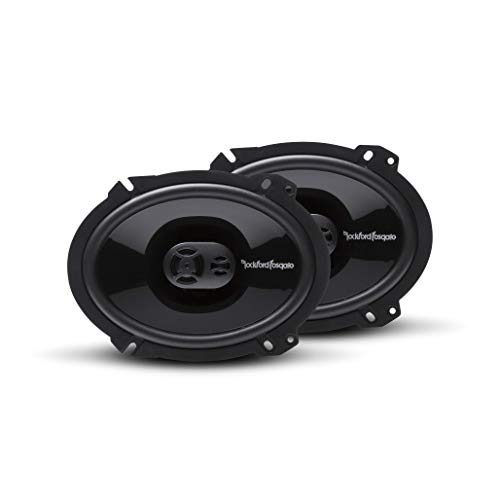
Coaxial speakers, often called full-range or “coax,” pack every driver into one unit. The main cone handles the low and midrange sound, and a small tweeter is mounted right in the center to produce the highs. Everything you need lives in a single speaker, and the crossover that splits the sound is built in.
Because they’re all-in-one, coaxials are the natural drop-in replacement for the factory speakers already sitting in your doors and rear deck. Most vehicles use common sizes like 6.5-inch rounds or 6×9 ovals, so finding a coax that bolts into the existing hole is straightforward.
- One-piece design that mounts where your factory speaker already sits
- Built-in crossover, so there’s no extra box to wire or hide
- Friendly to stock head units and factory wiring in most cars
- Budget-flexible, with options at nearly every level
What Component Speakers Are
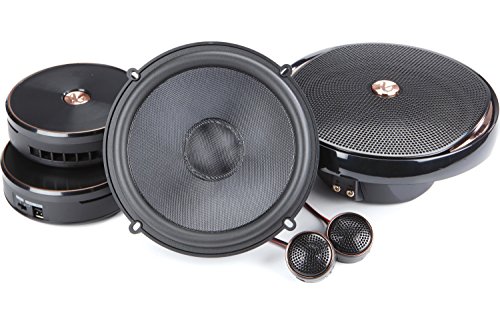
Component speakers break the same job into separate pieces. You get a dedicated woofer for the mids and lows, a separate tweeter for the highs, and an external crossover that decides which frequencies go where. Instead of one speaker doing everything, each driver is built to do one thing well.
That separation is the whole point. The tweeter can be mounted up high near the A-pillar or in the top of the door, closer to ear level, while the woofer stays lower in the door. Owner feedback and audio guides consistently point to that layout as the reason a good component set sounds more lifelike, with vocals and detail that seem to sit up in front of you rather than down by your feet.
Sound Quality: Where Components Pull Ahead
For pure listening, component systems generally have the edge, and it isn’t subtle on the right music. Splitting the drivers and using a proper crossover reduces the compromises a single cone has to make, so you tend to hear cleaner highs, tighter midrange, and better separation between instruments.
The bigger factor is placement. Getting the tweeters up near your ears creates a wider, taller “stage” so the music feels like it’s coming from the dash rather than the door pockets. That said, coaxials have closed a lot of ground. A well-made coax in a car that gets driven daily, with road noise, wind, and tire hum in the mix, can sound genuinely great, and many drivers honestly can’t tell the difference at everyday volumes.
- Choose components if you listen closely, want imaging, and enjoy detailed music
- Choose coaxials if you mostly want a clear, obvious upgrade over the factory sound without fuss
Installation: Where Coaxials Win
This is where the factory-upgrade question gets real. Coaxials are close to plug and play. You pull the door panel, unbolt the old speaker, drop the coax in, connect two wires, and reassemble. Many people finish a set in an afternoon with basic hand tools.
Components ask for more. You’ve still got the woofer install, plus you have to find a home for the tweeters, run wiring to them, and mount the crossovers somewhere safe and dry inside the door or behind the panel. Cutting or fabricating a tweeter location and fishing wire through a door takes patience. It’s very doable for a confident DIYer, but it’s the reason a lot of factory upgrades lean coaxial, or get handed to a shop.
- Coaxial install: mostly drop-in, minimal wiring, low tool count
- Component install: extra tweeter mounting, more wire runs, crossover placement
- Time and skill: coax is beginner-friendly, components reward experience or a pro
Which One Fits Your Factory Upgrade?
Think about the honest goal. If you want a straightforward win over a tired factory system, spend your money on a solid pair of coaxials and enjoy an easy afternoon. If sound quality is the whole reason you’re doing this and you like the idea of a proper front stage, components are worth the extra effort and cost.
A common middle path from owner feedback: run component speakers up front where you sit closest to them, and simpler coaxials in the rear just to fill in. You get most of the sound-quality benefit where it matters and keep the rear install quick. Whatever you choose, matching the speakers to the power your source can deliver, and adding sound-deadening in the doors, often does more for the final result than the badge on the box.
Frequently asked questions
Are component speakers really worth the extra install work?
If you care about detail, imaging, and getting the sound up off the floor, yes. The separate tweeter placement and dedicated crossover are what create that more lifelike, up-front sound. If you mainly want a clear step up from the factory speakers with a quick install, coaxials give you most of the everyday benefit for a lot less hassle.
Can I install component speakers myself?
Many people do. The woofer swap is similar to a coaxial, and the added work is mounting the tweeters, running wire to them, and finding a spot for the crossovers. It takes patience and some basic wiring comfort. If cutting a tweeter location or fishing wire through a door sounds intimidating, coaxials are the safer DIY choice, or you can have a shop handle the components.
Do I need to replace my factory head unit too?
Not necessarily. Both coaxial and component speakers can sound noticeably better even on the stock head unit, since the factory speakers are usually the weakest link. General guidance is to upgrade the speakers first, then decide later whether a new head unit or an added amplifier is worth it for more volume and cleaner power.