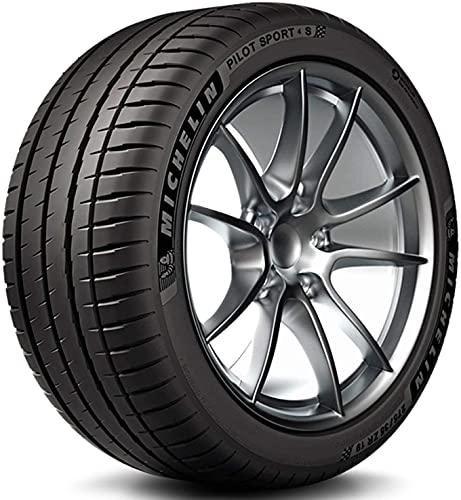
Yes, you can repair winter tires, but only under specific conditions. Punctures must be in the tread area, smaller than 1/4 inch (6 mm), and not near the sidewall. However, winter tires have softer rubber compounds and deeper treads, which can complicate repairs. Always consult a professional to ensure safety.
When Can You Repair a Winter Tire?
Repair is possible if the puncture is within the tread’s center three-quarters of the tire width, not on the shoulder or sidewall. The damage must be a clean hole, not a gash or tear, and the tire mustn’t have been driven flat. For winter tires, the maximum repairable puncture diameter is 1/4 inch (6 mm). Larger holes or damage from road debris often require replacement. Also, if the tire has been driven underinflated, internal damage may be hidden, making repair unsafe.
Proper Repair Methods for Winter Tires
Only a plug-patch combination repair from the inside is acceptable for winter tires. This seals the inner liner and fills the hole, preventing air loss and moisture intrusion. Simple plug-only repairs are temporary and can fail in cold conditions. The tire must be dismounted, inspected internally for damage, and the repair must be performed by a certified technician. After repair, the tire should be rebalanced. Avoid using sealants or DIY kits, as they can upset the tire’s balance and aren’t reliable for winter driving.
Why Winter Tire Repairs Are Different
Winter tires use softer rubber compounds that remain flexible in cold temperatures. This makes them more prone to tearing during repair if not handled properly. The deeper tread can also hide damage, so thorough inspection is critical. Also, winter tires often have studs or sipes that can be damaged during repair. If a tire has been repaired previously, a second repair is generally not recommended. The National Highway Traffic Safety Administration (NHTSA) advises that tires with multiple repairs or sidewall damage should be replaced.
When to Replace Instead of Repair
Replace the tire if the puncture is larger than 1/4 inch, located on the sidewall or shoulder, or if the tire has been driven flat. Also replace if the tread depth is below 4/32 inch, as winter tires lose effectiveness in snow and ice below this depth. If the tire is over 6 years old, replacement is safer regardless of damage. Always check the manufacturer’s guidelines, as some brands void warranties on repaired winter tires. For more tire care tips, check our tires category.
Frequently Asked Questions
Can I use a plug kit on a winter tire?
No, plug-only repairs aren’t recommended for winter tires. They can fail in cold weather and don’t seal the inner liner properly. Always use a plug-patch combination from the inside.
How much does it cost to repair a winter tire?
Professional repair typically costs $20 to $40 per tire, including dismounting, inspection, and rebalancing. This is much cheaper than replacing a winter tire, which can cost $100 to $300.
Can a repaired winter tire be used on the front axle?
Yes, as long as the repair is done correctly and the tire isn’t on a drive axle with high torque. However, for best safety, place repaired tires on the rear axle to maintain stability.
The Bottom Line
Winter tires can be repaired if the damage is small and within the tread area, but always have it done professionally. If in doubt, replace the tire to ensure safe winter driving. For more on tire maintenance, read our guide on best engine oil to keep your car running smoothly.