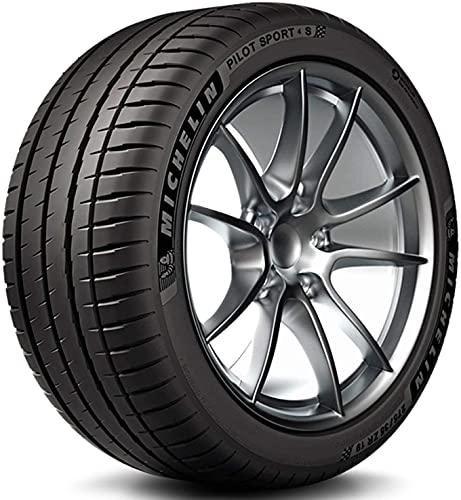
Yes, you can repair some spare tires, but not all. The repairability depends on the type of spare and the damage location. Full-size spares are often repairable like regular tires, while compact temporary spares (donuts) have strict limitations. This guide explains what you can fix and when you must replace.
Full-Size Spare Tires: Repairable with Standard Rules
Full-size spares are identical to your regular tires, so they follow the same repair guidelines. You can patch or plug a puncture in the tread area as long as the hole is smaller than 1/4 inch (6mm) and not in the sidewall. Repairs must be done from the inside with a patch-plug combination for safety. However, if the spare has been stored unused for years, check for dry rot or age cracks. Tires older than 6-10 years should be replaced regardless of tread depth. Also, if the spare has uneven wear from previous use, it may cause vibrations or handling issues.
Compact Temporary Spare (Donut): Limited or No Repair Options
Temporary spares are designed for short-term emergency use only. Most manufacturers recommend against repairing them because they have thinner tread and weaker construction. Some tire shops will refuse to repair donuts due to liability. If the puncture is small (under 1/8 inch) and located in the center tread, a plug might work temporarily, but you should still replace the spare as soon as possible. Never repair a donut sidewall or shoulder damage. Also, never drive over 50 mph on a repaired donut, and limit distance to 50 miles. The best practice is to replace a damaged temporary spare with a new one from the dealer or a used tire shop.
Run-Flat Tires: Repairable Under Specific Conditions
Run-flat tires can often be repaired if the damage is in the tread and the tire hasn’t been driven more than 50 miles after losing air. The internal structure may be compromised if driven flat, so a professional inspection is required. Many run-flat manufacturers allow one repair per tire, but only if the puncture is within the repairable zone. Check with your tire brand’s guidelines. Note that run-flat spares (if you have one) follow the same rules as full-size spares.
When to Replace Instead of Repair
You should replace a spare tire in these situations: sidewall damage, puncture larger than 1/4 inch, multiple punctures within 16 inches of each other, visible bulges or blisters, tread wear below 2/32 inch, or age over 6 years. For temporary spares, any damage or use beyond 50 miles warrants replacement. Also, if the spare is a different size than your other tires (like a donut on an AWD vehicle), repair isn’t recommended because it can damage the drivetrain. Always consult your vehicle owner’s manual for specific spare tire guidelines.
Frequently Asked Questions
Can I plug a donut spare tire?
Plugging a donut is risky and not recommended by manufacturers. The thin tread and limited rubber make plugs unreliable. If you must plug it for an emergency, drive slowly and replace it immediately.
How long can I drive on a repaired spare tire?
For a full-size spare, you can drive indefinitely if properly repaired. For a temporary spare, limit driving to 50 miles and under 50 mph, even after repair. The spare isn’t built for long-term use.
Is it safe to repair a spare tire that has been stored for years?
No, age degrades rubber. If the spare is over 6 years old, replace it even if it looks fine. Dry rot can cause sudden failure, and repairs on aged tires are unsafe.
The Bottom Line
Repairing a spare tire is possible for full-size spares with minor tread punctures, but temporary spares and old tires should be replaced. Always prioritize safety over cost. For more tire care tips, check out our guide on tire maintenance. And if you need a new spare, consider a full-size option for peace of mind.