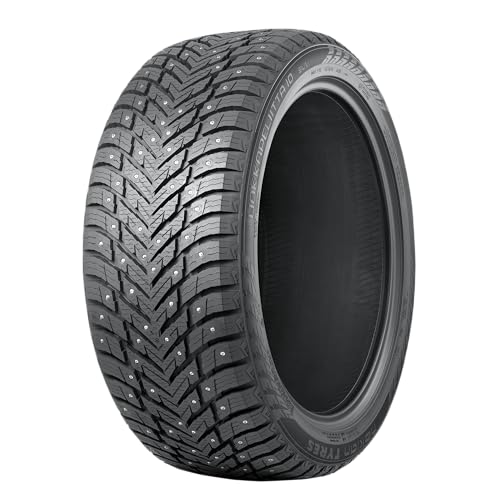
No, a tire sidewall can’t be safely repaired, and any shop that offers to plug one is a shop to leave. Repairs are only safe in the crown of the tire, the flat tread area between the outermost circumferential grooves. The sidewall flexes with every rotation, carries the tire’s structural cords, and has no steel belt reinforcement, so a patch or plug there works loose under flexing and the tire can fail suddenly at highway speed. This isn’t shop upselling; it’s an industry safety standard.
Why Sidewalls Are Different
The tread area is backed by steel belts that hold a repair stable and barely flexes as the tire rolls. The sidewall is the opposite: thin rubber over polyester body cords, designed to bulge and recover millions of times. A puncture there severs cords that can’t be restored by filling the hole, and the constant flexing works any repair material out. Heat from flexing then attacks the damaged area further. A sidewall failure isn’t a slow leak; it’s often a blowout.
What Counts as the Repairable Zone
Industry guidelines allow repairs only in the central tread area, for punctures up to a quarter inch, using a combination plug-patch installed from inside the dismounted tire. Damage in the shoulder, where tread curves into sidewall, is also off-limits for the same flexing reasons. String plugs installed from outside without dismounting are considered temporary even in the tread, so a proper shop repair is worth the extra half hour whatever your puncture location.
Your Real Options After Sidewall Damage
A punctured, cut, bubbled, or gouged sidewall means tire replacement, and the practical question becomes one tire or two. Match the new tire to its axle partner in model and remaining tread where possible; on all-wheel-drive vehicles, check your manual, because many require replacing tires in pairs or fours to protect the drivetrain. If the damaged tire is nearly new, some dealers offer shaving services to match diameters, and road hazard warranties, if you bought one, exist for exactly this moment. A sidewall bubble after a pothole deserves the same urgency as a puncture; it marks broken cords with the blowout already scheduled.
Frequently Asked Questions
Can I drive on a sidewall plug temporarily?
No. A sidewall plug can hold air convincingly at parking-lot speeds and then fail entirely at 70 mph, which is the worst possible place to discover the difference. Use the spare instead.
Is a sidewall scrape from a curb dangerous?
Surface scuffs that don’t expose cords are cosmetic. If you see fabric threads, cuts deeper than the outer rubber, or any bulge, the tire is structurally compromised and needs replacement.
Does tire sealant fix a sidewall leak?
Sealants are designed for small tread punctures and explicitly not for sidewalls. They may slow a leak enough to reach a shop; that’s their entire safe use.
The Bottom Line
Sidewall damage means a new tire, every time, because the sidewall’s constant flexing makes any repair a countdown to failure. Save repairs for quarter-inch tread punctures done properly from the inside, treat bubbles as broken cords, and never let anyone plug a sidewall as a favor.