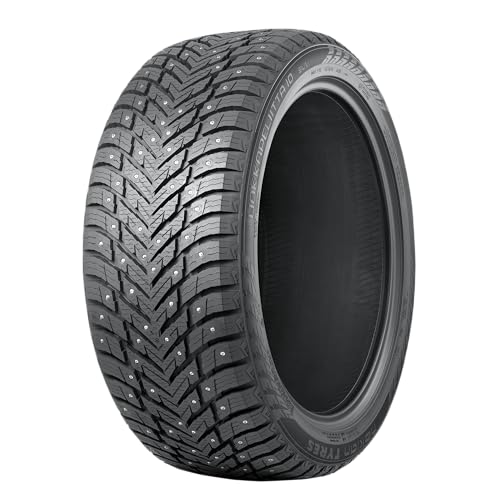
Driving on damaged mud tires isn’t safe and is generally not recommended. If you have sidewall cuts, exposed cords, or bulges, you need to replace the tire immediately. Minor tread damage like small cuts or missing tread blocks might allow limited driving, but only at low speeds and for short distances to reach a repair shop.
Assessing the Damage: When Can You Drive?
Not all damage is equal. A small puncture in the tread area can sometimes be repaired if it’s less than 1/4 inch in diameter and located in the repairable zone. However, mud tires are often used off-road where debris can cause hidden internal damage. If the tire holds air and there are no bulges or cord exposure, you might be able to drive cautiously at speeds under 30 mph for a few miles. But any sidewall damage, even a small cut, makes the tire unsafe because the sidewall flexes and can blow out. Always inspect the tire thoroughly, including the inner sidewall.
Risks of Driving on Damaged Mud Tires
Driving on damaged mud tires increases the risk of a sudden blowout, which can cause loss of control, especially at highway speeds. Mud tires have thick tread but weaker sidewalls compared to all-terrain tires. A damaged tire can overheat, leading to tread separation. Off-road, a damaged tire can fail completely, leaving you stranded. Even if the damage looks minor, the tire’s structural integrity may be compromised. The best practice is to replace damaged mud tires immediately, especially if you drive on pavement where heat buildup is higher.
How to Inspect Mud Tires for Damage
Check for cuts, punctures, bulges, and exposed cords. Look at the tread depth and check for uneven wear, which can indicate alignment or suspension issues. Inspect the sidewalls for any cracks or abrasions. If you find a puncture in the tread, measure the diameter and note the location. A tire shop can determine if it’s repairable. For any sidewall damage, replacement is the only safe option. Also, check the tire pressure; a slow leak can indicate a puncture. Use a tire pressure gauge and inspect the valve stem for damage. Regular inspections after off-road trips are crucial.
When to Replace vs. Repair
Repair is only possible for punctures in the tread area that are less than 1/4 inch in diameter and not in the shoulder or sidewall. The tire must also have sufficient tread depth (at least 2/32 inch). Mud tires with large tread blocks can sometimes hide damage, so a professional inspection is recommended. If the tire has been run flat, it’s likely damaged internally and should be replaced. Any bulges, blisters, or cord exposure mean the tire is unsafe and must be replaced. Also, if the tire is more than 6 years old, consider replacement regardless of damage due to rubber degradation.
Frequently Asked Questions
Can I drive on a mud tire with a small cut in the tread?
If the cut is less than 1/4 inch deep and doesn’t expose cords, you might drive slowly to a tire shop. However, any cut can trap debris and worsen over time. Have it inspected promptly.
Is it safe to drive on a mud tire with a sidewall puncture?
No. Sidewall punctures aren’t repairable and significantly weaken the tire. Driving on it risks a blowout. Replace the tire immediately.
Can I plug a damaged mud tire myself?
Plugs are a temporary fix for tread punctures only. For mud tires used off-road, a plug may not hold under stress. A professional patch-plug repair is safer. If the damage is in the sidewall, don’t attempt a repair.
The Bottom Line
Don’t drive on damaged mud tires if there’s sidewall damage, bulges, or exposed cords. Minor tread damage may allow limited driving at low speeds, but replacement is the safest choice. Your safety and the safety of others on the road depend on having sound tires. For more on tire care, check our tire guide for maintenance tips and replacement advice.