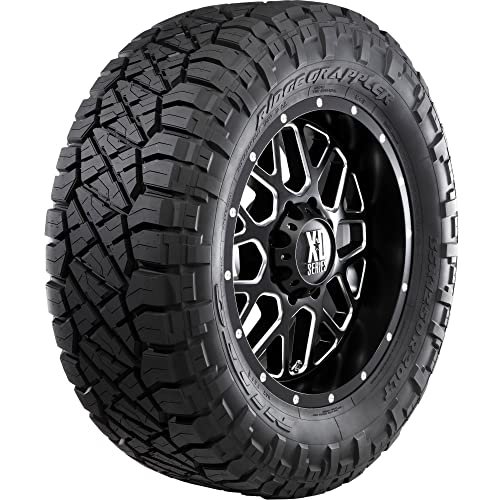
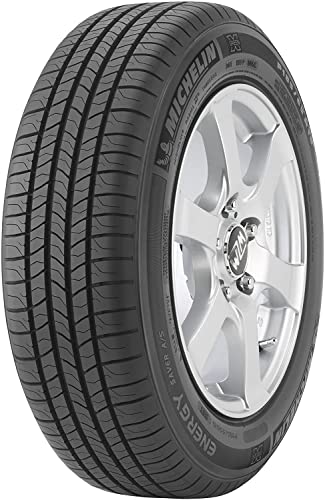
No, you shouldn’t drive on a damaged tire. Even minor damage like a sidewall bulge, puncture, or visible cut can lead to sudden tire failure, loss of control, and an accident. Driving on a damaged tire puts you, your passengers, and others on the road at serious risk. The only safe course is to inspect the tire and, if damaged, replace it or have it professionally repaired if possible.
Types of Tire Damage and Their Risks
Tire damage falls into several categories, each with different levels of danger. Sidewall damage, such as bulges, cracks, or cuts, is especially critical because the sidewall flexes and supports the vehicle’s weight. A bulge indicates internal structural failure, and driving on it risks a blowout at any speed. Punctures in the tread area can sometimes be repaired if they’re smaller than 1/4 inch (6 mm) and located in the central tread. However, punctures larger than that or near the shoulder or sidewall aren’t repairable. Tread separation, where the tread peels away from the carcass, is another serious issue that requires immediate replacement. Driving on a tire with tread separation can cause sudden loss of traction and control.
How to Inspect a Tire for Damage
Before deciding whether you can drive on a tire, perform a thorough visual inspection. Look for bulges, blisters, or bubbles on the sidewall. Check for cuts, cracks, or punctures in the tread and sidewall. Insert a tire pressure gauge to check for slow leaks. Also, examine the tread depth using the penny test: insert a penny with Lincoln’s head down into the tread; if you can see the top of his head, the tread is too worn (below 2/32 inch) and the tire should be replaced. If you find any damage, don’t drive the vehicle. Instead, install the spare tire or call for roadside assistance.
When Can a Tire Be Repaired vs. Replaced?
Not all tire damage requires replacement. According to industry standards, a tire can be repaired if the puncture is in the tread area, is 1/4 inch (6 mm) or smaller in diameter, and the tire hasn’t been driven on while flat. Repairs must be done from the inside using a patch and plug combination. However, if the tire has sidewall damage, a puncture larger than 1/4 inch, or has been driven flat for any distance, it must be replaced. Also, if the tire is older than 6-10 years, even if it looks fine, it may have internal degradation and should be replaced. Always have a professional tire technician evaluate the damage.
Risks of Driving on a Damaged Tire
Driving on a damaged tire increases the risk of a blowout, which can cause you to lose control of the vehicle, especially at highway speeds. A blowout can lead to a serious accident, injury, or death. Also, a damaged tire can cause poor handling, reduced braking performance, and hydroplaning in wet conditions. It can also damage your vehicle’s suspension and alignment. The cost of a new tire is far less than the cost of an accident or vehicle damage. For more tire care tips, check out our tire category for guides on tire maintenance and safety.
Frequently Asked Questions
Can I drive on a tire with a slow leak?
No, you shouldn’t drive on a tire with a slow leak. A slow leak indicates a puncture or valve issue that can worsen suddenly. Driving on an underinflated tire generates excessive heat, which can cause internal damage and a blowout. Repair the tire before driving.
Is it safe to drive on a tire with a sidewall bubble?
No, a sidewall bubble (bulge) is a sign of internal structural damage. The tire is at high risk of blowout and must be replaced immediately. Don’t drive on it.
Can I drive on a tire with a nail in it?
If the nail is in the tread and the tire isn’t losing air rapidly, you may drive slowly to a tire shop for repair, but don’t drive at high speeds or long distances. If the tire is flat or the nail is in the sidewall, don’t drive; use a spare or call for help.
The Bottom Line
Driving on a damaged tire is never worth the risk. If you suspect any damage, inspect the tire carefully and err on the side of caution. Replace or repair the tire as needed. Your safety and the safety of others depend on it. For more automotive advice, visit our guide on best OBD2 scanners to keep your vehicle in top condition.