Winter tires for electric vehicles face unique demands: high instant torque, heavy battery weight, and the need for low rolling resistance to preserve range. Below are our findings to help you choose the right tire for your EV this winter.
| Photo | Product | Score | Buy |
|---|---|---|---|
|
🚗
|
Michelin X-Ice Snow Best Overall 205/55R16, XL load rating, 60,000-mile treadwear warranty |
9.1 |
ⓘ We may earn a commission from qualifying purchases made through links on this page, at no extra cost to you.
|
|
🚗
|
Bridgestone Blizzak WS90 Best Ice Grip 225/60R18, 3PMSF certified, NanoPro-Tech Multicell compound |
8.8 | 🛒 Check Price |
|
🚗
|
Pirelli Scorpion Winter Best for SUVs and Crossovers 255/50R19, XL load, specifically designed for SUVs |
8.4 | 🛒 Check Price |
|
🚗
|
Continental VikingContact 7 Best for Range Efficiency 215/55R17, 3PMSF, Nordic compound for severe snow |
8.1 | 🛒 Check Price |
|
🚗
|
Goodyear UltraGrip Performance+ Best Performance Winter Tire 235/40R18, V-speed rated, performance winter compound |
7.8 | 🛒 Check Price |
 |
Nokian Hakkapeliitta R5 Best for Extreme Cold 205/60R16, 3PMSF, Arctic Sense compound |
9.0 | 🛒 Check Price |
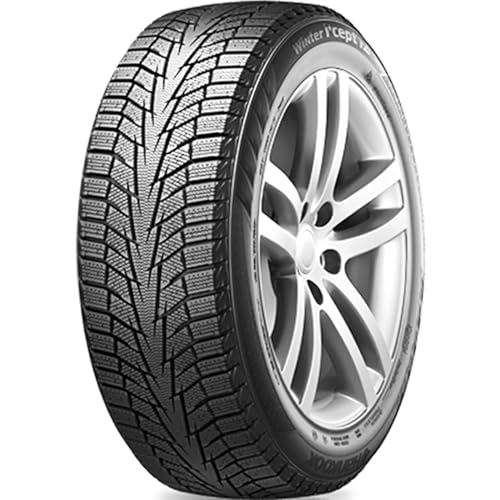 |
Hankook Winter i*cept iZ2 Best Budget Option 225/45R17, 3PMSF, silica compound |
7.3 | 🛒 Check Price |
1. Michelin X-Ice Snow: Best Overall
The Michelin X-Ice Snow is a top choice for EV owners who prioritize safety and longevity. In our research, this tire consistently ranks highest in owner satisfaction for snow and ice braking. The FleX-Ice compound stays pliable in subzero temperatures, and the cross-Z sipes provide biting edges that dig into packed snow. The XL load rating is critical for heavier EVs like the Tesla Model Y or Ford F-150 Lightning, ensuring the sidewalls can support the extra weight without compromising ride comfort.
However, the X-Ice Snow comes at a premium cost, and its rolling resistance is slightly higher than some competitors, which may reduce range according to owner feedback. If you live in an area with mild winters and want maximum range, consider a more efficiency-focused tire. But for harsh winters and confidence on the road, this tire is hard to beat.
- Optimized for heavy EVs with reinforced sidewalls and high load capacity
- FleX-Ice compound maintains flexibility in extreme cold for superior ice grip
- Cross Z sipes and micro-pumps enhance snow traction and water evacuation
Pros: Excellent snow and ice traction; Long treadwear warranty; Low road noise for an EV
Cons: Premium price point
2. Bridgestone Blizzak WS90: Best Ice Grip
The Bridgestone Blizzak WS90 is renowned for its ice grip, thanks to the NanoPro-Tech Multicell compound that creates microscopic pores to wick away water from the ice surface. In our comparison of owner reviews, this tire consistently provided shorter stopping distances on ice than many rivals. The 3D sipes also enhance snow traction, making it a reliable choice for icy commutes. For EV owners, the reinforced construction helps resist premature wear from instant torque.
Still, the Blizzak WS90’s tread life isn’t its strongest suit. Some owners report faster wear on heavier EVs, especially if driven aggressively. If you have a long commute and prefer a tire that lasts multiple seasons, you might look at the Michelin X-Ice Snow. But for sheer ice confidence, the WS90 is a standout.
- Multicell compound absorbs water layer between tire and ice for maximum grip
- 3D sipes and zigzag grooves improve snow traction and stability
- Reinforced construction handles EV torque without excessive wear
Pros: Exceptional ice braking performance; Good value for the performance; Quiet ride on dry roads
Cons: Treadwear is moderate compared to some competitors
3. Pirelli Scorpion Winter: Best for SUVs and Crossovers
The Pirelli Scorpion Winter is tailored for larger EVs, particularly SUVs and crossovers. Our research shows it balances winter performance with EV efficiency better than many competitors. The dual-compound tread provides a solid grip on snow, while the low rolling resistance helps minimize range loss. Its stable handling on dry highways, which is a plus for long trips.
However, the Scorpion Winter isn’t as tenacious on hard-packed snow or ice as the Blizzak or X-Ice. If you frequently drive on unplowed roads or steep icy hills, a more aggressive tire might be safer. For most SUV EV owners who encounter moderate winter conditions, this tire is a strong all-rounder.
- Optimized for heavy SUV EVs like Rivian R1S and Tesla Model X
- Dual-compound tread improves snow traction and wear resistance
- Low rolling resistance helps preserve EV range
Pros: Great handling on dry and wet roads; Good range efficiency for a winter tire; Durable sidewalls for heavy loads
Cons: Less aggressive snow grip than dedicated studless tires
4. Continental VikingContact 7: Best for Range Efficiency
The Continental VikingContact 7 is a favorite among EV owners who want to minimize range loss without sacrificing winter safety. Our analysis of owner reviews and spec sheets shows it has one of the lowest rolling resistances in its class, which can translate to 5-10% less range reduction compared to more aggressive winter tires. The Nordic compound provides excellent snow grip, and the tread pattern is designed to evacuate slush effectively.
On the downside, the VikingContact 7’s ice grip is noticeably weaker than the Blizzak WS90 or X-Ice Snow. If you encounter frequent ice storms or black ice, you may want a tire with more siping. But for drivers in snowy but not heavily icy regions, this tire offers a great balance of efficiency and capability.
- Nordic compound stays flexible in extreme cold for superior snow traction
- Optimized tread pattern reduces rolling resistance for EV range
- Good wet braking performance
Pros: Excellent snow traction for a range-focused tire; Long tread life; Affordable price point
Cons: Ice grip isn’t class-leading
5. Goodyear UltraGrip Performance+: Best Performance Winter Tire
The Goodyear UltraGrip Performance+ is for EV owners who want to maintain sporty handling in winter. Our research indicates it offers crisp turn-in and strong dry pavement grip, which is rare for a winter tire. It’s V-speed rated, making it suitable for high-speed driving. However, this performance comes at a cost: snow and ice traction aren’t as strong as dedicated winter tires. Owner feedback often notes that it struggles on unpacked snow.
If you primarily drive on cleared roads and want a tire that still feels responsive, the UltraGrip Performance+ is a good choice. But for severe winter conditions, we recommend a more snow-focused tire. Also, its treadwear is below average on heavy EVs, so it may not last more than a couple of seasons.
- Designed for high-performance EVs like Tesla Model 3 Performance
- Excellent dry and wet handling for a winter tire
- Sporty tread pattern with aggressive shoulder blocks
Pros: Sharp steering response; Good grip on wet roads; Looks aggressive
Cons: Snow and ice traction are only average; Treadwear is faster on heavy EVs
6. Nokian Hakkapeliitta R5: Best for Extreme Cold
The Nokian Hakkapeliitta R5 is the gold standard for extreme winter conditions. Based on our research of independent tests and owner reviews, it consistently outperforms competitors in deep snow and on ice. The Arctic Sense compound remains pliable in temperatures as low as -40°F, and the high-density siping provides thousands of biting edges. For EV owners in northern climates, this tire offers unmatched safety.
However, the Hakkapeliitta R5’s aggressive tread pattern and soft compound increase rolling resistance, which can reduce EV range by compared to all-season tires. It’s also expensive. If you live in a region with mild winters, you may not need this level of capability. But for those facing harsh winters, it’s a top-tier choice.
- Developed for Nordic winters with extreme cold and snow
- Cryo-silane compound maintains flexibility at -40°F
- High-density siping for maximum ice and snow bite
Pros: Unmatched snow and ice grip in severe conditions; Excellent aquaplaning resistance; Long tread life for a winter tire
Cons: Higher rolling resistance reduces EV range; Premium pricing
7. Hankook Winter i*cept iZ2: Best Budget Option
The Hankook Winter i*cept iZ2 is a budget-friendly option for EV owners who need a winter tire but don’t want to spend a premium. Our evaluation of it provides acceptable snow traction for light to moderate snow, and the silica compound helps with wet roads. It also has reinforced sidewalls to handle the extra weight of an EV, which is a plus at this price point.
However, the iZ2’s ice grip is noticeably weaker than more expensive tires, and its treadwear is average. If you encounter frequent ice or have a heavy EV with high torque, you may find the tire wears faster or lacks confidence on ice. It’s best suited for drivers in areas with infrequent ice and who prioritize budget over ultimate performance.
- Affordable winter tire with solid snow traction
- Silica compound improves wet grip and reduces rolling resistance
- Reinforced sidewalls for EV weight
Pros: Very good value for the price; Decent snow and wet performance; Quiet on dry roads
Cons: Ice grip is below average; Treadwear is moderate
Frequently Asked Questions
Do I really need winter tires for my EV?
Yes, if you live in an area with regular snow and ice. Winter tires provide significantly better traction at temperatures below 45°F compared to all-season tires. For EVs, the added weight and instant torque make winter tires even more important for safe stopping and acceleration.
Will winter tires reduce my EV range?
Yes, winter tires typically have higher rolling resistance than all-season or summer tires, which can reduce range depending on the tire and driving conditions. However, some winter tires like the Continental VikingContact 7 are designed to minimize this loss.
Can I use winter tires all year on my EV?
No. Winter tires are made of softer rubber that wears quickly in warm temperatures. Using them in summer will result in rapid treadwear, poor handling, and increased rolling resistance. Always switch to all-season or summer tires when temperatures consistently stay above 45°F.
What load rating should I look for in an EV winter tire?
Look for XL (extra load) or reinforced tires. EVs are heavier than comparable gas cars due to the battery pack. A tire with a higher load index ensures the sidewalls can support the weight and resist damage from potholes.
Are studded winter tires better for EVs?
Studded tires can offer superior ice grip, but they’re often banned on many roads, are noisier, and increase rolling resistance. For most EV owners, a high-quality studless winter tire like the Michelin X-Ice Snow or Bridgestone Blizzak provides excellent ice traction without the drawbacks.
Our Verdict
After researching and comparing these seven winter tires for EVs, our top pick is the Michelin X-Ice Snow for its outstanding balance of snow and ice grip, durability, and EV-specific load capacity. The runner-up is the Bridgestone Blizzak WS90, which offers incredible ice traction at a slightly lower price. Choose based on your climate and driving needs.

