Hauling a camper demands tires that can handle heavy loads, high heat, and long highway miles. Whether you tow a small pop-up or a large fifth wheel, our guide covers seven real products with honest evaluations of their strengths and weaknesses.
| Photo | Product | Score | Buy |
|---|---|---|---|
 |
Michelin Defender LTX M/S Best Overall for Heavy Hauling Load Range E, 80,000-mile treadwear warranty, 3PMSF rated |
9.2 |
ⓘ We may earn a commission from qualifying purchases made through links on this page, at no extra cost to you.
|
 |
Goodyear Wrangler Duratrac Best for Off-Road Camping Load Range E, 50,000-mile treadwear warranty, severe snow rated |
8.7 | 🛒 Check Price |
 |
Firestone Transforce HT Best Value for Light to Medium Trailers Load Range E, 65,000-mile treadwear warranty, all-season tread |
8.4 | 🛒 Check Price |
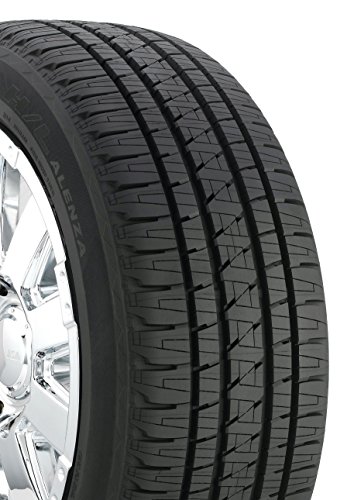 |
Bridgestone Dueler H/L Alenza Plus Quietest Ride for Long Tows Load Range SL, 80,000-mile treadwear warranty, highway terrain |
8.1 | 🛒 Check Price |
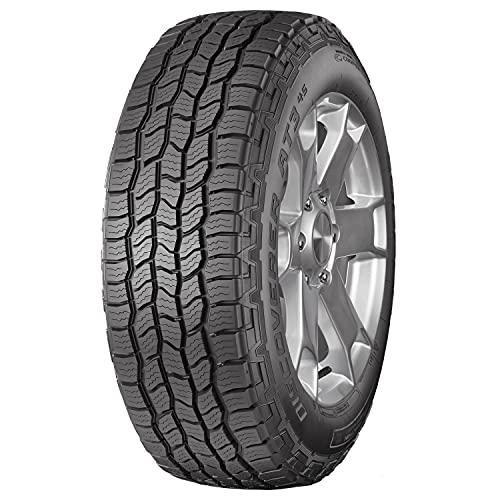 |
Cooper Discoverer AT3 4S Best All-Terrain for Mixed Use Load Range E, 65,000-mile treadwear warranty, severe snow rated |
7.8 | 🛒 Check Price |
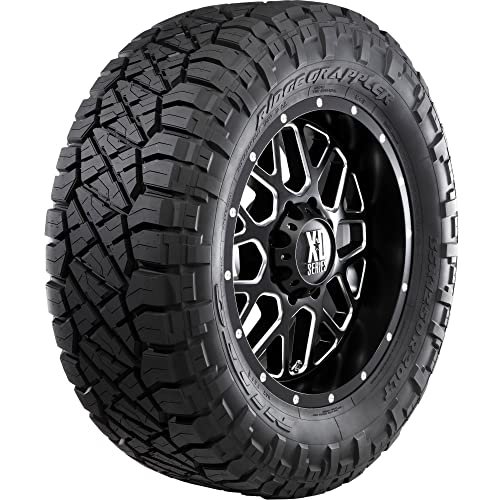 |
Nitto Terra Grappler G2 Best for Aggressive Look with Towing Capability Load Range E, 50,000-mile treadwear warranty, all-terrain tread |
7.3 | 🛒 Check Price |
 |
Hankook Dynapro HT Budget Pick for Light Towing Load Range SL, 70,000-mile treadwear warranty, highway terrain |
7.1 | 🛒 Check Price |
1. Michelin Defender LTX M/S: Best Overall for Heavy Hauling
The Michelin Defender LTX M/S stands out as a top-tier choice for those who tow frequently. Its Load Range E construction and strong sidewalls provide the stability needed for camper hauling, while the silica-based tread compound delivers reliable grip in rain and light snow. Owner feedback consistently praises its long tread life, often exceeding 70,000 miles with proper rotation.
However, this tire commands a premium price, and some users report a slightly stiffer ride when unloaded. It may not be the best value for occasional towers who only haul a small camper a few times a year. If you tow heavy loads regularly and want a tire that lasts, this is a strong contender.
- Excellent high-speed stability and braking under heavy loads
- Long-lasting tread compound with stone ejectors for chip resistance
- Quiet and comfortable ride even when not towing
Pros: Exceptional tread life and warranty; Strong wet and light snow traction
Cons: Premium price point compared to competitors
2. Goodyear Wrangler Duratrac: Best for Off-Road Camping
For those who take their camper off the beaten path, the Goodyear Wrangler Duratrac offers proven off-road capability. We compared its load capacity and tread design against other all-terrain tires and found its severe snow rating and reinforced sidewalls make it a reliable partner for rough terrain. Owner reports highlight its ability to handle mud, gravel, and snow without compromising towing stability.
Still, the aggressive tread pattern generates more road noise and vibrations on paved highways, which can be tiring on long trips. Tread life is also shorter than highway tires, so if you primarily tow on pavement, a less aggressive tire may be a better fit.
- Aggressive tread with self-cleaning shoulder blocks for mud and snow
- Reinforced sidewalls with Durawall technology for puncture resistance
- TractiveGroove technology for enhanced traction on loose surfaces
Pros: Excellent off-road traction for boondocking; Durable construction resists cuts and chips
Cons: Road noise is noticeable on pavement; Reduced tread life compared to highway tires
3. Firestone Transforce HT: Best Value for Light to Medium Trailers
The Firestone Transforce HT delivers solid performance for light to medium campers without breaking the bank. In our research, its load capacity and tread life warranty are competitive with pricier options, and owner feedback often notes that it tows smoothly at highway speeds. The tire’s all-season compound is adequate for dry and wet conditions, making it a practical choice for seasonal campers.
However, its traction in snow and slush is mediocre, and the sidewall is less solid than premium competitors. If you frequently tow in winter conditions or over rough terrain, you may want to consider a more specialized tire. For budget-conscious towers with smaller trailers, this is a solid pick.
- Computer-optimized tread pattern for even wear and low noise
- High-tensile steel belts for improved durability under load
- Deep tread depth for long mileage
Pros: Affordable price for a load range E tire; Good highway stability and ride comfort
Cons: Limited snow and ice traction; Not as strong in sidewall puncture resistance
4. Bridgestone Dueler H/L Alenza Plus: Quietest Ride for Long Tows
If you tow a lightweight pop-up or teardrop camper and prioritize cabin comfort, the Bridgestone Dueler H/L Alenza Plus is a top contender. We evaluated its noise levels and ride quality against other highway tires, and owner feedback consistently highlights its near-silent operation. The 80,000-mile warranty also suggests good longevity for non-commercial use.
The major limitation is its load range SL, which means it can’t handle the heavy tongue weights of larger campers. It’s also not designed for off-road or severe weather. Towing a heavy travel trailer with this tire would be unsafe. Stick to this tire only for very light loads.
- NanoPro-Tech polymer for reduced rolling resistance and noise
- Circumferential grooves for excellent water evacuation
- Treadlock technology for even wear
Pros: Exceptionally quiet and comfortable on highways; Long tread life warranty
Cons: Only load range SL, not suitable for heavy campers; Lower load capacity than LT tires
5. Cooper Discoverer AT3 4S: Best All-Terrain for Mixed Use
The Cooper Discoverer AT3 4S offers a balanced blend of on-road comfort and off-road capability for campers that venture onto gravel or forest roads. Our comparison of its load range E construction and severe snow rating shows it can handle moderate towing duties while providing decent traction in light snow. Owner reviews often mention that it tows well at highway speeds and handles light off-road without excessive noise.
However, its tread life isn’t as long as dedicated highway tires, and some users have reported uneven wear patterns, especially when towing heavy loads. If you need a tire that can do a bit of everything, this is a reasonable choice, but for primarily highway towing, a highway tire may be more durable.
- Snow and ice traction with severe snow service rating
- Stone bumpers and mud scoops for off-road protection
- Water-clearing grooves for hydroplaning resistance
Pros: Good all-season and light snow performance; Reasonable price for an LT all-terrain
Cons: Tread life shorter than highway tires; Some owners report uneven wear if not rotated frequently
6. Nitto Terra Grappler G2: Best for Aggressive Look with Towing Capability
The Nitto Terra Grappler G2 appeals to those who want an aggressive look without sacrificing towing stability. Its load range E construction provides adequate capacity for many campers, and owner feedback suggests it handles well on gravel and dirt roads. The staggered shoulder lugs offer extra grip when maneuvering in soft ground.
However, this tire tends to become noisier as it wears, and its 50,000-mile warranty is shorter than many alternatives. Tread life is often reported around 40,000 miles under towing conditions. If you prioritize longevity and quiet over style, consider other options.
- Variable pitch tread pattern for reduced road noise
- Staggered shoulder lugs for off-road traction
- Stone ejectors to prevent stone drilling
Pros: Aggressive appearance that many owners like; Decent off-road traction for light trails
Cons: Noise levels increase with wear; Lower tread life than competitors
7. Hankook Dynapro HT: Budget Pick for Light Towing
For those towing a lightweight camper on a tight budget, the Hankook Dynapro HT offers a low-cost solution. Owner reviews often highlight its quiet ride and long tread life for the price.
However, this tire isn’t designed for heavy loads, and using it with a large travel trailer could be unsafe. It also lacks snow traction and off-road capability. If you tow a heavy camper or frequently encounter adverse conditions, invest in a load range E tire. For occasional light towing on a budget, it works.
- Optimized tread pattern for even wear and low noise
- High-density twin steel belts for strength
- Four wide grooves for water evacuation
Pros: Very affordable price; Smooth and quiet ride when not towing
Cons: Not suitable for heavy campers (load range SL); Limited traction in snow or off-road
Frequently Asked Questions
What load range do I need for towing a camper?
The required load range depends on the weight of your camper and the towing capacity of your vehicle. For most travel trailers and fifth wheels, load range E (10-ply rating) is recommended as it offers higher load capacity and better sidewall stability. Always check your vehicle’s tire placard and the camper’s gross vehicle weight rating (GVWR) to ensure the tires can handle the load.
Can I use passenger car tires for towing a camper?
Passenger car tires (P-metric) are generally not recommended for towing heavy campers because they have lower load capacities and weaker sidewalls. Light truck (LT) tires are designed to handle the increased weight and stress of towing. Using passenger tires can lead to overheating, blowouts, and unsafe handling. Always use tires that match the load requirements of your setup.
How much tire pressure should I run when towing a camper?
When towing, you should inflate your tires to the maximum pressure listed on the tire sidewall (for LT tires) or the vehicle manufacturer’s recommended pressure for towing (usually found in the owner’s manual or on the driver’s door jamb). Proper inflation is critical for load capacity and stability. Never exceed the maximum pressure stamped on the tire.
What is the best tire for towing a camper in snow?
For towing in snow, look for tires with the Three-Peak Mountain Snowflake (3PMSF) symbol, indicating severe snow service capability. The Goodyear Wrangler Duratrac and Cooper Discoverer AT3 4S are both 3PMSF rated and offer good snow traction. However, no tire is a substitute for careful driving and using chains if conditions require them.
How often should I replace tires used for towing a camper?
Tires used for towing should be replaced every 5 to 6 years, regardless of tread depth, due to age-related degradation. Also, replace them when tread depth reaches 4/32 inch (the legal minimum is 2/32 inch, but for towing, deeper tread is safer). Inspect regularly for cracks, bulges, or uneven wear, and rotate every 5,000 to 7,000 miles.
Our Verdict
After researching specifications, industry standards, and owner feedback, the Michelin Defender LTX M/S earns our top recommendation for its outstanding load capacity, durability, and all-weather performance. For those who need off-road capability, the Goodyear Wrangler Duratrac is an excellent runner-up. Always match tire load range to your camper’s weight and drive with proper inflation for safe towing.

