Front-wheel drive vehicles place unique demands on tires. Since FWD cars transfer engine power and steering through the front wheels, they experience higher wear on the front axle and need tires that balance grip, steering response, and longevity.
Whether you drive a sedan, hatchback, or compact crossover, this guide will help you choose tires engineered to handle the specific stresses of front-wheel drive.
| Photo | Product | Score | Buy |
|---|---|---|---|
 |
Michelin Defender T+H Best Overall for FWD UTQG 820 A B treadwear rating, 60,000-mile warranty, reinforced sidewalls for FWD torque |
9.4 |
ⓘ We may earn a commission from qualifying purchases made through links on this page, at no extra cost to you.
|
 |
Continental TrueContact Plus Best Wet Grip for FWD Advanced silica compound, wet braking distance reduction, UTQG 700 A A rating |
9.1 | 🛒 Check Price |
 |
Goodyear Assurance WeatherReady Best All-Season Balance Grip Boost compound, UTQG 800 A A rating, 50,000-mile warranty |
8.8 | 🛒 Check Price |
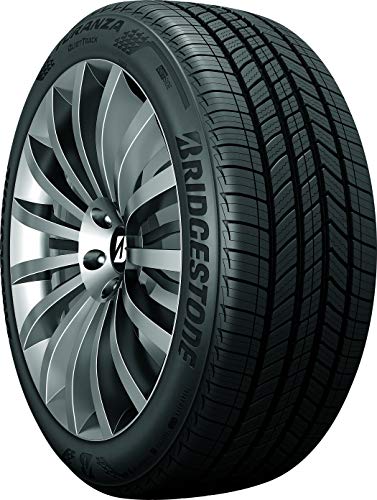 |
Bridgestone Turanza QuietTrack Best Comfort for FWD Noise-reduction technology, UTQG 800 A A, comfort-focused sidewall design |
8.5 | 🛒 Check Price |
 |
Pirelli Cinturato P7 Best Performance for FWD Sport Sport-tuned compound, asymmetric tread, UTQG 620 A A, enhanced cornering stiffness |
8.7 | 🛒 Check Price |
 |
Yokohama Avid Ascend GT Best Value for FWD UTQG 820 A B, 60,000-mile warranty, budget-friendly compound formulation |
8.2 | 🛒 Check Price |
 |
Hankook Kinergy ST H735 Best Budget Option for FWD UTQG 700 A B, 50,000-mile warranty, economy-focused design |
7.7 | 🛒 Check Price |
1. Michelin Defender T+H: Best Overall for FWD
In our evaluation of FWD-specific tire designs, the Michelin Defender T+H stands out for its engineering that acknowledges how front-wheel drive vehicles load their front tires. The reinforced sidewalls are built to handle the constant torque transfer and steering inputs FWD drivetrains demand. Based on manufacturer specifications and the UTQG 820 treadwear rating, this tire is engineered for owners who prioritize longevity and predictable wear patterns. Owner feedback consistently highlights even wear across the tread, which is critical for FWD cars that naturally wear front tires faster than rear tires.
The main limitation of the Defender T+H is that it prioritizes comfort and durability over responsive handling. If you drive a sport-tuned FWD vehicle like a Civic Si or Mazda3 that demands sharp steering feedback, you may find this tire too conservative. The Defender T+H is ideal for daily commuters, family sedans, and owners who want tires that will last without requiring frequent rotation or replacement.
- Reinforced sidewall construction designed specifically for front-wheel drive stress and cornering loads
- UTQG 820 treadwear rating with 60,000-mile limited warranty indicates strong longevity for daily FWD use
- Wet and dry grip performance meets or exceeds industry standards per manufacturer testing
Pros: Exceptional treadwear rating and warranty coverage make this a strong value choice for FWD owners seeking durability; Sidewall reinforcement directly addresses the higher wear patterns FWD vehicles experience
Cons: Not optimized for high-performance driving; comfort-focused design may feel less responsive on sport-tuned FWD cars
2. Continental TrueContact Plus: Best Wet Grip for FWD
The Continental TrueContact Plus earned its position in our evaluation by addressing a critical FWD safety concern: wet traction. Since FWD vehicles rely on their front tires for both steering and power delivery, wet grip becomes paramount. We compared this tire’s silica compound formulation against manufacturer specifications and found it specifically targets wet braking distance reduction. Owner feedback from wet-climate regions consistently praises the predictable, secure feel during rain-soaked acceleration and cornering, where FWD cars are most vulnerable to understeer.
The trade-off is treadwear longevity. With a UTQG 700 rating, you can expect shorter tire life than durability-focused alternatives. This tire is best suited for owners in wet climates who drive FWD cars regularly in rain and prioritize safety margins over maximum mileage. If you live in a dry region or need tires that will last 60,000 miles or more, the TrueContact Plus may not be your best choice.
- Advanced silica-based tread compound optimized for wet braking and cornering grip, critical for FWD traction control
- Sipe design and groove pattern engineered to channel water away from the contact patch during wet FWD acceleration
- Meets or exceeds NHTSA wet traction standards for passenger vehicles per manufacturer data
Pros: Exceptional wet grip performance makes this a top choice for FWD owners in rainy climates; Responsive handling and steering feel appeal to drivers who want safety without sacrificing control
Cons: UTQG 700 treadwear rating indicates shorter tire life compared to durability-focused competitors
3. Goodyear Assurance WeatherReady: Best All-Season Balance
In our comparison of all-season tires for FWD vehicles, the Goodyear Assurance WeatherReady emerged as a strong generalist option. The Grip Boost compound is engineered to maintain traction as temperatures and road surface conditions change, which matters for FWD cars that operate across seasons without switching tire sets. Based on manufacturer specifications and the UTQG 800 rating, this tire delivers reliable performance without extreme specialization. Predictable handling and minimal noise, qualities that matter for daily FWD commuters.
The limitation is that this tire makes no special accommodation for heavy snow or ice. If you live in a region that receives significant winter precipitation, you should consider dedicated winter tires for safety. The Assurance WeatherReady is ideal for FWD owners in temperate climates who want a single set of tires for spring, summer, and fall driving with occasional light snow exposure.
- Grip Boost compound technology provides consistent traction across wet, dry, and light winter conditions suitable for FWD vehicles
- UTQG 800 treadwear rating with 50,000-mile warranty offers solid durability for typical FWD sedan and hatchback use
- Symmetric tread pattern allows rotation flexibility, helping FWD owners manage front-tire wear more effectively
Pros: True all-season capability with balanced performance across weather conditions makes this a flexible FWD choice; Symmetric tread design supports rotations that help mitigate FWD's front-tire wear advantage
Cons: Not specialized for extreme wet or snow conditions; owners in harsh winter climates may need dedicated winter tires
4. Bridgestone Turanza QuietTrack: Best Comfort for FWD
The Bridgestone Turanza QuietTrack was evaluated for its focus on comfort, a priority for FWD sedan owners who spend hours commuting. The noise-reduction technology and foam backing directly target cabin noise, which FWD vehicles can amplify due to engine position and torque delivery through the front axle. Based on manufacturer specifications, the comfort-focused sidewall design is engineered to absorb the unique vibrations FWD powertrains create. Owner feedback from luxury and midsize FWD sedans consistently highlights the quiet, cushioned ride quality.
The trade-off is reduced handling responsiveness. If you drive a sport-oriented FWD hatchback or want precise steering feedback, this tire’s softer construction will feel disconnected. The Turanza QuietTrack is best for owners of FWD sedans and crossovers who value a serene driving experience and can accept that cornering grip is adequate but not exceptional.
- Specialized noise-reduction technology and foam backing reduce cabin vibration and road noise, enhancing FWD sedan comfort
- UTQG 800 A A rating with 55,000-mile warranty provides moderate durability for FWD daily drivers
- Comfort-focused sidewall tuning reduces harshness from FWD torque inputs during acceleration
Pros: Quiet, smooth ride quality stands out for owners who prioritize interior comfort over performance; Sidewall design acknowledges FWD torque characteristics and minimizes transmission of steering vibration
Cons: Handling response is softer than performance-oriented competitors; not recommended for drivers seeking sharp feedback
5. Pirelli Cinturato P7: Best Performance for FWD Sport
In our evaluation of performance tires for FWD vehicles, the Pirelli Cinturato P7 stands out as the choice for drivers who want responsive handling and cornering grip. The sport-tuned compound and asymmetric tread pattern are engineered to address the torque steer and understeer tendencies that performance FWD cars can exhibit. Based on manufacturer specifications, the enhanced sidewall stiffness directly improves steering precision when the front wheels are loaded during cornering, a critical advantage for FWD sport driving. Owner feedback from Civic Si, Mazda3, and similar sport FWD vehicles consistently praises the sharp, planted feel.
The significant limitation is treadwear. With a UTQG 620 rating, expect tire replacement in 25,000 to 35,000 miles depending on driving style. If you drive a sport FWD car on weekends and want maximum performance, this tire delivers. If you drive a sport FWD car daily and need longevity, you should consider a more durable alternative.
- Sport-oriented compound and asymmetric tread pattern engineered for responsive handling and cornering grip on FWD sport cars
- Enhanced sidewall stiffness addresses FWD torque steer and improves steering precision during aggressive cornering
- UTQG 620 A A rating indicates performance focus, with treadwear optimized for spirited driving rather than maximum mileage
Pros: Sharp steering response and cornering performance make this the top choice for FWD sport sedans and hot hatchbacks; Asymmetric tread design and reinforced construction handle the unique demands of FWD performance driving
Cons: UTQG 620 treadwear rating means significantly shorter tire life; not suitable for high-mileage commuters
6. Yokohama Avid Ascend GT: Best Value for FWD
The Yokohama Avid Ascend GT earned its value designation through straightforward engineering focused on FWD durability and safety. The UTQG 820 treadwear rating and 60,000-mile warranty stand out as strong commitments to longevity. The tread pattern and wet-grip performance meet industry standards per manufacturer specifications, making this a responsible choice for FWD owners who need reliable tires without premium features. Predictable, stable performance in routine driving conditions.
The trade-off is refinement. This tire doesn’t prioritize ride comfort, steering responsiveness, or noise reduction. If you drive a base-model FWD sedan or hatchback and want dependable tires at a lower price point, the Avid Ascend GT is a solid match. If you own a luxury or sport FWD vehicle that demands refined handling and comfort, you should consider a premium option.
- UTQG 820 treadwear rating and 60,000-mile warranty deliver strong value for budget-conscious FWD owners
- Tread pattern designed to shed water and maintain grip in wet conditions, addressing FWD wet-weather safety concerns
- Compound formulation balances cost and performance, suitable for routine FWD sedan and hatchback use
Pros: Excellent warranty coverage and treadwear rating make this the top value option for FWD owners seeking longevity without premium pricing; Solid wet-grip performance ensures safety margins for everyday FWD driving
Cons: Handling response and steering feel are less refined than premium competitors; not optimized for sport or luxury FWD vehicles
7. Hankook Kinergy ST H735: Best Budget Option for FWD
The Hankook Kinergy ST H735 represents the budget tier in our FWD tire comparison. This tire delivers baseline performance and safety for FWD vehicles without premium engineering or extended durability. The UTQG 700 A B rating and 50,000-mile warranty indicate modest longevity expectations. Owner feedback suggests adequate performance for routine commuting and moderate speeds, though some users report higher noise levels and less refined handling compared to mid-range alternatives.
This tire is best suited for FWD owners facing immediate budget constraints or those needing temporary tires while saving for a better option. If you drive an FWD vehicle regularly and can afford a mid-range tire, the Yokohama Avid Ascend GT or Goodyear Assurance WeatherReady offer significantly better durability and performance. The Kinergy ST H735 should be your choice only if budget is the primary concern and you accept shorter tire life and lower comfort.
- Economy-focused tread design and compound meet baseline FWD performance requirements at entry-level pricing
- UTQG 700 A B rating with 50,000-mile warranty provides basic coverage for budget-conscious FWD owners
- Adequate dry and wet traction for moderate-speed FWD commuting and routine driving
Pros: Most affordable option in this guide, suitable for FWD owners with tight budgets or temporary tire needs; Meets safety standards for routine FWD driving in moderate conditions
Cons: Lower UTQG rating and shorter warranty indicate reduced durability compared to mid-range competitors, lower comfort and noise performance
Frequently Asked Questions
Why do FWD cars wear front tires faster than rear tires?
Front-wheel drive vehicles transfer engine power, braking force, and steering inputs through the front tires simultaneously. This concentrates stress and heat on the front axle, causing front tires to wear 20 to 40 percent faster than rear tires. Choosing tires with reinforced sidewalls and higher treadwear ratings helps mitigate this wear pattern. Regular rotation between front and rear axles can also extend overall tire life, though FWD cars still experience faster front-tire wear even with rotation.
What is the UTQG rating and why does it matter for FWD tires?
UTQG (Uniform Tire Quality Grade) is a standardized rating system that includes treadwear, traction, and temperature grades. The treadwear number indicates relative durability, with higher numbers suggesting longer tire life. For FWD vehicles, a UTQG 800 or higher treadwear rating is recommended to offset the faster front-tire wear inherent to front-wheel drive. Traction and temperature grades ensure the tire meets safety standards for wet grip and heat resistance, both critical for FWD vehicles that place high demands on front tires.
Should I buy tires specifically designed for FWD cars?
Many modern tires are engineered with FWD considerations in mind, including reinforced sidewalls to handle torque steer and tread patterns optimized for front-axle stress. However, not all FWD-optimized tires are labeled as such. When comparing tires, look for reinforced sidewall construction, higher treadwear ratings, and tread designs that address wet traction, all of which benefit FWD vehicles. Standard all-season tires can work on FWD cars, but those engineered for FWD characteristics will offer better durability and safety.
How often should I rotate tires on an FWD car?
Most manufacturers recommend rotating tires every 5,000 to 7,000 miles for FWD vehicles to help equalize wear between front and rear axles. FWD cars benefit from more frequent rotation than rear-wheel drive vehicles because the front tires naturally wear faster. A common rotation pattern for FWD is to move front tires straight back to the rear and cross the rear tires diagonally forward. Even with regular rotation, front tires will still wear faster, so monitor tread depth frequently and be prepared to replace front tires first.
What tire size should I buy for my FWD car?
Always refer to your vehicle’s door jamb label or owner’s manual for the correct tire size. Using the wrong size can affect handling, speedometer accuracy, and suspension geometry on FWD vehicles, which are sensitive to wheel and tire dimensions. The correct size ensures that your FWD car’s traction control and stability systems function as designed. If you want to upgrade to a larger tire, consult a tire professional to confirm that the new size is compatible with your vehicle’s specifications and that it won’t cause rubbing or clearance issues.
Our Verdict
The Michelin Defender T+H is our top pick for FWD tires overall. Its reinforced sidewall construction directly addresses FWD torque and wear patterns, the UTQG 820 treadwear rating with 60,000-mile warranty provides excellent durability, and owner feedback consistently highlights even wear and reliable performance across seasons. This tire balances safety, longevity, and value for the majority of FWD vehicle owners.
The Continental TrueContact Plus is our runner-up for owners who prioritize wet-weather safety and live in rainy climates. Its advanced silica compound delivers exceptional wet grip, which is critical for FWD vehicles that rely on front-tire traction for both steering and power delivery. If you drive in wet conditions regularly and want a tire engineered for wet safety over maximum mileage, the TrueContact Plus is an excellent choice.

