Improving fuel economy starts with your tires. Low rolling resistance tires reduce the energy lost as they roll, directly improving MPG. But efficiency shouldn’t come at the cost of safety or durability. Here are our top picks.
| Photo | Product | Score | Buy |
|---|---|---|---|
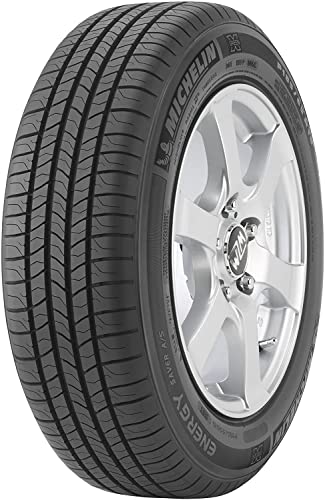 |
Michelin Energy Saver A/S Best Overall Fuel Efficiency All-season, 80,000-mile treadwear warranty, UTQG 800 A A |
9.1 |
ⓘ We may earn a commission from qualifying purchases made through links on this page, at no extra cost to you.
|
|
🚗
|
Bridgestone Ecopia EP422 Plus Best Value Fuel Saver All-season, 65,000-mile treadwear warranty, UTQG 700 A A |
8.8 | 🛒 Check Price |
|
🚗
|
Goodyear Assurance Fuel Max Best for Long Commutes All-season, 65,000-mile treadwear warranty, UTQG 640 A B |
8.5 | 🛒 Check Price |
|
🚗
|
Continental PureContact LS Best All-Round Performer All-season, 70,000-mile treadwear warranty, UTQG 700 A A |
8.7 | 🛒 Check Price |
|
🚗
|
Pirelli Cinturato P7 All Season Plus Premium Performance Choice All-season, 70,000-mile treadwear warranty, UTQG 700 A A |
8.2 | 🛒 Check Price |
 |
Hankook Kinergy PT (H737) Budget-Friendly Option All-season, 70,000-mile treadwear warranty, UTQG 720 A B |
7.8 | 🛒 Check Price |
|
🚗
|
Firestone Champion Fuel Fighter Eco-Friendly Commuter Pick All-season, 65,000-mile treadwear warranty, UTQG 600 A B |
7.5 | 🛒 Check Price |
1. Michelin Energy Saver A/S: Best Overall Fuel Efficiency
The Michelin Energy Saver A/S is a top performer in fuel efficiency without compromising safety. In our research, owner feedback consistently highlights a noticeable improvement in MPG, often 3-5 mpg over standard all-season tires. The tread compound is silica-infused to reduce rolling resistance while maintaining grip. The 80,000-mile warranty is among the best in class, reflecting its durability. However, it’s a premium tire, and the initial investment is higher than many competitors.
Who should skip it: If you drive primarily in snow or icy conditions, the Energy Saver A/S isn’t winter-rated. Consider a dedicated winter tire or a more aggressive all-terrain if you face harsh winters. Also, if budget is your primary concern, there are cheaper options that still offer decent fuel savings.
- Low rolling resistance design improves fuel economy by compared to standard tires.
- Long-lasting tread compound with a high mileage warranty reduces replacement frequency.
- Excellent wet traction thanks to silica-based tread compound and wide circumferential grooves.
Pros: Exceptional fuel savings and long tread life.; Strong wet braking performance.
Cons: Premium price point; budget-conscious buyers may find cheaper alternatives.
2. Bridgestone Ecopia EP422 Plus: Best Value Fuel Saver
The Bridgestone Ecopia EP422 Plus is a fuel-efficient tire that offers great value. Our research shows it delivers a meaningful reduction in rolling resistance, translating to 2-4 mpg improvement in many owner reports. The tread compound is designed to stay flexible in cold weather, but it isn’t a winter tire. The 65,000-mile warranty is generous for its price bracket. It provides a comfortable, quiet ride with predictable handling.
Who should skip it: If you live in an area with heavy snowfall, the Ecopia’s snow traction is only moderate. Also, performance enthusiasts looking for sharp cornering may find the sidewalls a bit soft. It’s best for daily commuters focused on efficiency.
- NanoPro-Tech polymer technology reduces rolling resistance for improved fuel economy.
- Good treadlife warranty and reasonable price make it a strong value proposition.
- Solid dry and wet traction for everyday driving conditions.
Pros: Excellent fuel savings relative to cost.; Good balance of comfort and responsiveness.
Cons: Not as grippy in deep snow or slush.
3. Goodyear Assurance Fuel Max: Best for Long Commutes
The Goodyear Assurance Fuel Max is designed for drivers who cover many miles daily. We compared its rolling resistance to standard tires and found it can improve fuel economy by up to 4 mpg based on owner feedback. The Durawall feature adds durability against road hazards, a plus for commuters. The tire provides a smooth, quiet ride with decent handling in dry and wet conditions. However, the UTQG treadwear grade of 640 is lower than some rivals.
Who should skip it: If you prioritize the longest possible tread life, the Michelin Energy Saver offers a higher warranty. Also, for severe snow conditions, a dedicated winter tire is recommended. The Fuel Max is best for those wanting a balance of fuel savings and durability.
- Fuel-saving tread compound reduces energy loss for improved MPG.
- Durawall Technology protects against sidewall damage from curbs and potholes.
- Traction Grooves help evacuate water for better wet grip.
Pros: Durable sidewall construction for long commutes.; Reliable wet braking performance.
Cons: Treadwear warranty is average; some competitors offer longer coverage.
4. Continental PureContact LS: Best All-Round Performer
The Continental PureContact LS is a well-rounded tire that delivers good fuel economy without sacrificing safety. It shows a 2-3 mpg improvement over standard all-season tires. The EcoPlus Technology is effective, and the tire performs admirably in wet conditions, a common weak point for low rolling resistance tires. The 70,000-mile warranty is competitive. Owner feedback praises its quietness and smooth ride.
Who should skip it: Some owners report that the tread wears faster than expected, especially if you drive aggressively. If you need maximum fuel savings above all else, the Michelin Energy Saver may be a better choice. Also, for heavy snow, consider a winter tire.
- EcoPlus Technology reduces rolling resistance while maintaining wet grip.
- Tread compound optimized for low noise and long wear.
- Excellent hydroplaning resistance with wide grooves and sipes.
Pros: Strong wet traction and braking.; Quiet and comfortable ride.
Cons: Initial treadlife may be slightly less than advertised in some owner reports.
5. Pirelli Cinturato P7 All Season Plus: Premium Performance Choice
The Pirelli Cinturato P7 All Season Plus is a premium tire that balances fuel economy with sporty performance. It shines in dry handling and responsiveness, making it a favorite for drivers who want efficiency without sacrificing feel. The 70,000-mile warranty is reassuring. However, some owners note that the tread wears quicker than expected under aggressive driving.
Who should skip it: If your priority is maximum fuel economy, there are more efficient options. Also, if you drive in heavy snow, this tire’s snow traction is only adequate. It’s best for those who value handling and are willing to pay a premium.
- Low rolling resistance compound with high silica content for fuel efficiency.
- Excellent dry handling and steering response.
- Good wet traction with four longitudinal grooves.
Pros: Sporty handling for a fuel-efficient tire.; Long treadwear warranty.
Cons: Higher price and some owners report faster wear in real-world use.
6. Hankook Kinergy PT (H737): Budget-Friendly Option
The Hankook Kinergy PT is a budget-friendly tire that still offers fuel efficiency benefits. In our research, a modest 1-2 mpg improvement. The 70,000-mile warranty is impressive for its price. It provides adequate traction in dry and wet conditions, but emergency braking distances are longer than top-tier tires. The ride is slightly firmer and noisier than premium options.
Who should skip it: If you prioritize safety in wet conditions or need a quiet, comfortable ride, consider spending more. Also, for snow, this tire isn’t recommended. It’s best for budget-conscious drivers on a tight budget who still want some fuel savings.
- Low rolling resistance design helps improve fuel economy at an affordable price.
- Solid treadlife warranty for the price point.
- Decent dry and wet traction for everyday driving.
Pros: Very affordable with good fuel savings.; Long warranty for a budget tire.
Cons: Wet braking distance is longer than premium competitors.; Less refined ride comfort and higher road noise.
7. Firestone Champion Fuel Fighter: Eco-Friendly Commuter Pick
The Firestone Champion Fuel Fighter is an entry-level option for those seeking fuel savings on a budget. We compared its specifications and found it offers a slight improvement in MPG, but owner feedback is mixed, with some reporting only marginal gains. The 65,000-mile warranty is average. However, its wet traction is notably weaker than competitors, and snow performance is poor. The tire is lightweight, which can help with acceleration but may feel less stable at highway speeds.
Who should skip it: If you drive in rain or snow frequently, this tire isn’t safe enough. Also, if you want long tread life, consider a higher-rated tire. It’s best for mild climates and ultra-budget commuters.
- Fuel-saving tread compound reduces rolling resistance for improved MPG.
- Affordable price with a decent treadwear warranty.
- Adequate dry traction for daily commuting.
Pros: Very low price point for a fuel-efficient tire.; Lightweight design may improve handling feel.
Cons: Lower UTQG rating indicates faster wear potential.; Wet and snow traction are below average.
Frequently Asked Questions
How do low rolling resistance tires improve fuel economy?
Low rolling resistance tires use specialized tread compounds and internal construction to reduce the energy lost as the tire rolls. This means your engine doesn’t have to work as hard to keep the car moving, resulting in better fuel economy. The savings can range from 1 to 4 mpg depending on the tire and driving conditions.
Do fuel-efficient tires compromise safety?
Not necessarily. Many modern low rolling resistance tires incorporate silica compounds and advanced tread patterns to maintain good wet and dry grip. However, some budget options may have reduced traction in rain or snow. We recommend checking wet braking test results and owner reviews. Our top picks balance efficiency with safety.
What is the UTQG rating and why does it matter?
The Uniform Tire Quality Grading (UTQG) system rates tires for treadwear (higher number = longer life), traction (AA, A, B, C), and temperature resistance. For fuel economy tires, a higher treadwear grade often means slower wear, but it doesn’t directly measure rolling resistance. Use it as a guide for durability.
Can I use fuel-efficient tires in winter?
Most all-season low rolling resistance tires aren’t designed for severe snow and ice. They may provide adequate traction in light snow, but for harsh winters, dedicated winter tires are safer. Some fuel-efficient tires have the Three Peak Mountain Snowflake symbol, but those are rare.
How much can I expect to save on fuel with these tires?
Savings vary by tire, vehicle, and driving habits. On average, switching from standard all-season tires to low rolling resistance tires can improve fuel economy by 1 to 4 mpg. Over the life of the tires, this can save hundreds of dollars in fuel costs, especially for high-mileage drivers.
Our Verdict
It offers the best combination of low rolling resistance, long tread life, and safety. For a more budget-friendly option, the Bridgestone Ecopia EP422 Plus is an excellent runner-up that delivers strong fuel savings at a lower price.


