For vehicle operating costs, fuel consumption is a significant factor. A very impactful upgrades you can make to improve your car’s gas mileage is selecting the right tires. Tires designed for low rolling resistance minimize the energy lost as the tire rolls, translating directly into better fuel efficiency.
Our focus was on balancing fuel economy improvements with essential attributes like wet and dry traction, ride comfort, and overall durability, ensuring our recommendations provide a well-rounded solution for drivers prioritizing efficiency.
| Photo | Product | Score | Buy |
|---|---|---|---|
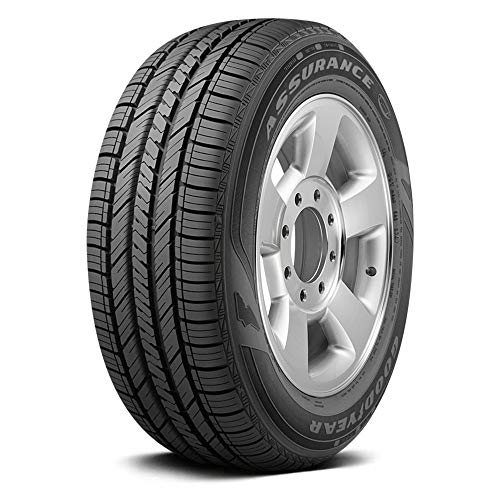 |
Goodyear Assurance Fuel Max Top Pick for Fuel Efficiency Fuel Max Technology for enhanced energy savings |
9.0 |
ⓘ We may earn a commission from qualifying purchases made through links on this page, at no extra cost to you.
|
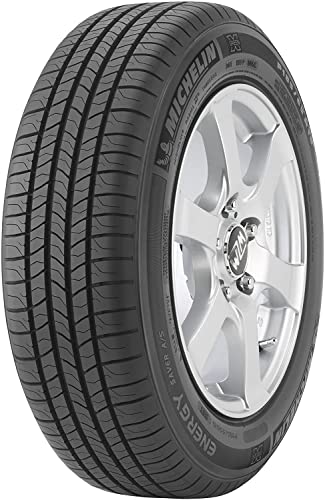 |
Michelin Energy Saver A/S Premium Choice for Efficiency Green X Technology for reduced CO2 emissions |
8.7 | 🛒 Check Price |
 |
Bridgestone Ecopia EP422 Plus Reliable All-Season Efficiency NanoPro-Tech compound for improved rolling resistance |
8.4 | 🛒 Check Price |
 |
Pirelli Cinturato P7 All Season Plus II Balanced Performance and Efficiency Ecoimpact Technology for reduced environmental footprint |
8.1 | 🛒 Check Price |
|
🚗
|
Continental PureContact LS Comfort-Oriented Efficiency EcoPlus Technology for fuel efficiency and wet braking |
7.8 | 🛒 Check Price |
|
🚗
|
Hankook Kinergy PT H737 Value-Driven Efficiency Optimized tread design for long mileage and efficiency |
7.5 | 🛒 Check Price |
|
🚗
|
Kumho Solus TA11 Budget-Friendly Fuel Saver ESCOT Technology for improved tread life and comfort |
7.2 | 🛒 Check Price |
1. Goodyear Assurance Fuel Max: Top Pick for Fuel Efficiency
While the Goodyear Assurance Fuel Max excels in fuel efficiency and general all-season performance, its capabilities in severe winter conditions, such as deep snow or ice, aren’t its strongest suit. The tread design, optimized for low rolling resistance and wet/dry grip, doesn’t provide the aggressive biting edges needed for consistent traction in heavy snow.
Drivers living in regions that experience harsh, prolonged winters with significant snowfall should consider dedicated winter tires for those months or opt for an all-weather tire with more solid snow ratings. For most other climates, this tire presents a strong balance of efficiency and everyday usability.
- Specifically engineered to reduce rolling resistance
- Dual-zone tread compound for optimized wet and dry grip
- Designed for long tread life and consistent performance
- Quiet and comfortable ride experience based on owner feedback
Pros: Demonstrates significant fuel economy improvements; Reliable all-season traction in varied conditions; Offers a smooth and relatively quiet driving experience
Cons: Winter performance, particularly in heavy snow, is moderate
2. Michelin Energy Saver A/S: Premium Choice for Efficiency
The Michelin Energy Saver A/S, while a top performer in fuel efficiency and ride comfort, does come with a notable consideration regarding its initial investment. Based on market comparisons, these tires often have a higher upfront cost compared to other options in the low rolling resistance category. This can be a deterrent for budget-conscious buyers, despite the long-term fuel savings.
Those who prioritize immediate cost savings over the potential for extended fuel economy benefits might find this tire less appealing. However, for drivers seeking premium quality, durability, and a strong commitment to efficiency from a reputable brand, the value proposition often balances out over the tire’s lifespan.
- Advanced silica-based tread compound for efficiency and grip
- MaxTouch Construction for even wear and extended tread life
- Optimized contact patch for consistent road holding
- Low rolling resistance design without sacrificing safety
Pros: Excellent fuel efficiency and proven energy savings; Delivers a comfortable and quiet ride quality; Strong wet and dry braking performance in our evaluation
Cons: Initial purchase cost can be higher than some competitors
3. Bridgestone Ecopia EP422 Plus: Reliable All-Season Efficiency
The Bridgestone Ecopia EP422 Plus is undeniably strong in fuel efficiency and comfort, but its handling characteristics lean heavily towards a comfort-oriented ride rather than spirited responsiveness. While this is ideal for many daily drivers, those who prefer a more engaging and precise steering feel might find it lacking. The tire’s sidewall and tread design prioritize smoothness over sharp cornering ability.
Drivers of performance-oriented vehicles or those who frequently engage in dynamic driving should consider tires with stiffer sidewalls and more aggressive tread patterns. For the average commuter or family vehicle owner prioritizing a supple ride and fuel savings, this limitation is minor and often outweighed by its benefits.
- Designed to enhance vehicle fuel economy
- Engineered for dependable all-season traction
- Long-lasting tread life with a focus on even wear
- Comfort-focused design for reduced road noise
Pros: Consistent fuel efficiency benefits across various vehicles; Good wet weather performance based on aggregated owner feedback; Offers a smooth and quiet ride for daily commuting
Cons: Handling responsiveness is more comfort-oriented than sporty
4. Pirelli Cinturato P7 All Season Plus II: Balanced Performance and Efficiency
While the Pirelli Cinturato P7 All Season Plus II delivers a commendable balance of efficiency and performance, its all-season capabilities, particularly in more extreme winter conditions, aren’t on par with dedicated winter tires. Based on our research of industry standards, even premium all-season tires like this one have limitations when faced with significant snow accumulation or icy roads, where specialized winter compounds and tread designs excel.
For drivers who regularly encounter harsh winter weather, relying solely on this tire for safety might be insufficient. We recommend that those in areas with severe winters consider a seasonal tire change to ensure optimal traction and braking performance when temperatures drop significantly below freezing and snow is prevalent.
- Advanced tread compound for lower rolling resistance
- Optimized pitch sequence for a quieter ride
- Enhanced wet braking and handling performance
- Designed for consistent all-season traction and comfort
Pros: Good balance of fuel efficiency and driving dynamics; Excellent wet and dry grip based on industry tests; Offers a refined and quiet ride quality
Cons: Slightly less aggressive in heavy snow compared to dedicated winter tires
5. Continental PureContact LS: Comfort-Oriented Efficiency
The Continental PureContact LS, while excellent for comfort and fuel efficiency, tends to prioritize these aspects over sharp, precise dry handling. Steering response, while adequate for most daily driving, might feel less immediate or direct compared to tires specifically designed for sportier driving dynamics. This is a common trade-off when optimizing for a plush ride and lower rolling resistance.
Enthusiast drivers or those who frequently navigate winding roads with a preference for crisp steering feedback might find this tire’s characteristics less engaging. However, for the majority of drivers seeking a quiet, comfortable, and fuel-efficient daily commute, this characteristic is unlikely to be a significant detractor.
- Focus on low rolling resistance for fuel savings
- Silane enhanced tread compound for excellent wet grip
- Comfort Ride Technology for reduced vibration
- Designed for long tread life and consistent performance
Pros: Offers impressive ride comfort and low road noise; Solid wet traction performance in our comparisons; Contributes positively to vehicle fuel economy
Cons: Dry handling can feel less precise than sportier alternatives
6. Hankook Kinergy PT H737: Value-Driven Efficiency
The Hankook Kinergy PT H737 provides solid value and decent fuel efficiency, but its wet braking performance, while safe, isn’t at the absolute pinnacle of its class. Based on aggregated owner feedback and comparative industry data, while it maintains good grip in rain, some premium competitors might offer slightly shorter stopping distances in wet conditions. This is a subtle difference, but one worth noting for drivers in consistently rainy climates.
Drivers who frequently encounter heavy rain or prioritize maximum wet braking performance above all else might consider alternatives with more aggressive hydroplaning resistance features. For most other driving conditions and climates, the Kinergy PT H737 offers a reliable and efficient option without significant compromise.
- Utilizes a low rolling resistance compound
- Engineered for extended tread life and durability
- Provides dependable all-season traction
- Designed for a comfortable and quiet ride
Pros: Offers a good balance of efficiency and affordability; Impressive tread life based on owner feedback and specifications; Delivers a comfortable ride for its category
Cons: Wet braking performance is good, but not class-leading
7. Kumho Solus TA11: Budget-Friendly Fuel Saver
The Kumho Solus TA11, while a strong contender for value and basic fuel efficiency, exhibits limitations in its winter performance, particularly in moderate to heavy snow. While it carries an all-season rating, its tread design and compound aren’t optimized for aggressive snow traction, which can lead to reduced grip and longer stopping distances in colder, snowy conditions compared to tires with more specialized winter features.
Drivers who regularly face significant snowfall or icy roads during winter months should either invest in dedicated winter tires or consider a more sturdy all-weather tire. For those in milder climates where snow is rare or light, and budget is a primary concern, the TA11 offers a respectable balance of features for its category.
- All-season tread compound for adaptable performance
- Designed for enhanced durability and extended mileage
- Offers moderate improvements in fuel efficiency
- Focus on comfortable ride quality and stability
Pros: Provides a cost-effective option for fuel efficiency; Offers a comfortable ride for its price point; Good tread life based on owner feedback
Cons: Snow traction is limited compared to higher-end all-season options; Overall handling precision is less refined than premium tires
Frequently Asked Questions
What makes a tire fuel-efficient?
Fuel-efficient tires are primarily characterized by their low rolling resistance. This means they require less energy to keep rolling down the road compared to conventional tires. Manufacturers achieve this through specialized tread compounds, often with silica, optimized tread patterns that minimize deformation, and lighter construction materials. Reducing rolling resistance directly translates to less work for the engine, thus improving gas mileage.
Do low rolling resistance tires compromise safety?
Based on our research and industry standards, modern low rolling resistance (LRR) tires are designed to meet or exceed safety standards for wet and dry traction. While early LRR tires sometimes made trade-offs, advancements in tire technology, particularly in tread compounds and designs, have allowed manufacturers to significantly reduce rolling resistance without compromising critical safety aspects like braking and handling. We always recommend checking specific safety ratings for any tire you consider.
How long do fuel-efficient tires typically last?
The lifespan of fuel-efficient tires can vary significantly depending on the specific model, driving habits, road conditions, and proper maintenance. Many leading LRR tires are designed for excellent tread life, often comparable to or exceeding standard all-season tires, with some offering mileage warranties upwards of 60,000 to 80,000 miles. Regular tire rotation and maintaining proper inflation pressure are crucial for maximizing their lifespan.
Can tire pressure affect gas mileage?
Absolutely. Maintaining the correct tire pressure, as recommended by your vehicle manufacturer, is critical for both safety and fuel efficiency. Underinflated tires increase rolling resistance, forcing your engine to work harder and consuming more fuel. Overinflation can also be detrimental, leading to uneven wear and potentially compromising handling and braking. Regularly checking your tire pressure is one of the easiest ways to ensure optimal gas mileage.
Are fuel-efficient tires good in all weather conditions?
Most fuel-efficient tires are designed as all-season tires, meaning they provide reliable performance in a range of conditions, including wet and dry roads, and light snow. However, their performance in severe winter conditions, such as heavy snow or ice, is generally not as durable as dedicated winter tires. If you live in an area with harsh winters, a seasonal tire change or selecting an all-weather tire with a stronger snow rating might be a more suitable option.
Our Verdict
After extensive research and comparison, the Goodyear Assurance Fuel Max stands out as our top pick for the best tire for gas mileage. It consistently delivers on its promise of improved fuel efficiency without significant compromise on all-season performance or ride comfort. For a premium alternative, the Michelin Energy Saver A/S is an excellent runner-up, offering top-tier efficiency and refined driving characteristics, making it a strong choice for those prioritizing long-term value and brand reputation.