Rock crawling punishes tires in ways highway driving never will. You are dragging a heavy rig over jagged granite, wedging sidewalls against ledges, and airing down to single-digit pressures so the rubber can wrap around obstacles like a hand. The wrong tire spins, slices a sidewall, or pops off the bead at the worst possible moment. The right one claws up lines that look impossible and shrugs off sharp edges that would gut a cheaper carcass.
We focused on what actually matters off the pavement: tread that bites on dry rock and clears mud, sidewall plies and lugs that survive contact with stone, and a flexible carcass that conforms when you let the air out. Below are seven rock crawler tires that have earned their reputation on the trail, ranked best first, with honest notes on where each one falls short.
| Photo | Product | Score | Buy |
|---|---|---|---|
 |
BFGoodrich Mud-Terrain T/A KM3 Best Overall Aggressive mud-terrain, CoreGard Max sidewall, 3-ply carcass, sizes from 31 to 40 inch |
9.5 | 🛒 Check Price |
 |
Maxxis Trepador M8060 Best for Hardcore Crawling Dedicated rock and mud bias, triple-ply sidewall, high-void aggressive tread, dual compound |
9.3 | 🛒 Check Price |
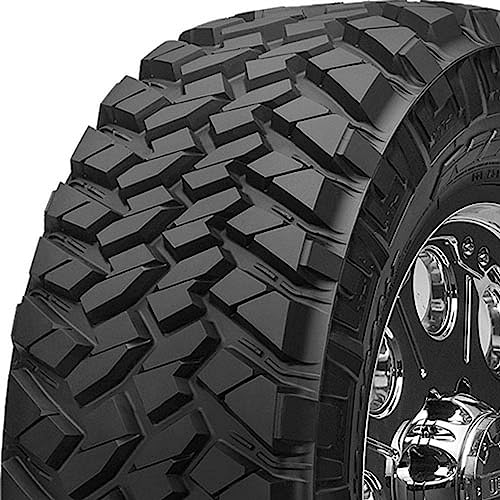 |
Nitto Trail Grappler M/T Best All-Around Mud Terrain Mud terrain, reinforced 3-ply sidewall, staggered shoulder lugs, wide size range |
9.1 | 🛒 Check Price |
 |
Interco Super Swamper TSL Bogger Best for Mud and Deep Ruts Three-stage lug bias tire, tall directional tread, legendary mud and soft-terrain bite |
8.9 | 🛒 Check Price |
 |
Mickey Thompson Baja Pro X Best Soft-Compound Grip Competition-bred radial, soft sticky compound, massive sidewall biters, high-void tread |
8.7 | 🛒 Check Price |
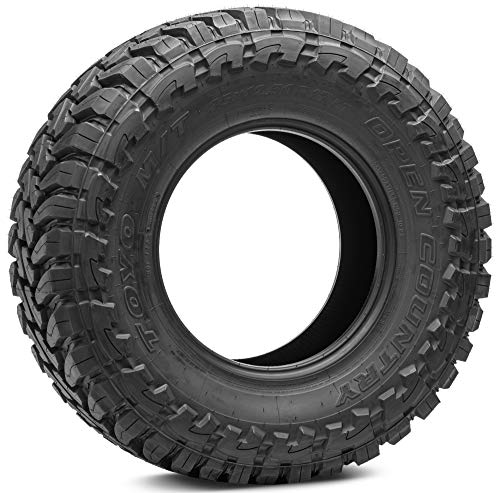 |
Toyo Open Country M/T Best for Daily Driving and Trail Mud terrain, 3-ply polyester sidewall, scalloped shoulder blocks, wide LT size range |
8.5 | 🛒 Check Price |
 |
Pit Bull Rocker Radial Best Sidewall Protection Dedicated crawler radial, full sidewall lugs, sticky compound, high-void aggressive tread |
8.2 | 🛒 Check Price |
1. BFGoodrich Mud-Terrain T/A KM3: Best Overall
The KM3 is the tire we keep coming back to because it does almost everything well. On dry rock the chunky tread blocks and biting shoulder lugs find traction where you need it, and the CoreGard Max sidewall has saved more than one rig from a slice when a tire got wedged against a sharp ledge. Air it down and the linear flex zones let the carcass conform to the obstacle instead of bouncing off it, which is exactly what you want when you are picking a delicate line.
Where it gives a little ground is at the absolute extreme end of crawling. Dedicated competition tires with softer compounds and taller, more open lugs will flex further and grip slicker rock better. The KM3 is also genuinely heavy, so on a smaller four cylinder you will feel the rotating mass. For the overwhelming majority of trail rigs that also see pavement, though, this is the smartest all around choice on the list.
- CoreGard Max technology with a tougher, thicker sidewall rubber for cut and chip resistance
- Linear flex zones let the tread wrap around obstacles when aired down
- Stone ejector ribs in the tread to spit out trapped rock and reduce drilling
Pros: Excellent balance of rock grip, mud clearing, and street manners; Reinforced sidewall holds up to sharp edges and ledges; Still reasonably quiet and predictable on the highway for a hard mud terrain
Cons: Pure rock specialists will out-flex it on extreme crawls; Heavy, so it adds rotating mass on smaller engines
2. Maxxis Trepador M8060: Best for Hardcore Crawling
The Trepador is a crawler’s tire first and a street tire a distant second, and that focus is exactly why hardcore drivers love it. The triple-ply sidewall is built to take abuse from rock, and the aggressive sidewall lugs dig in when a tire is buried in a rut or pressed against a wall. Aired down it flexes beautifully and wraps the carcass around obstacles, giving you the kind of conforming traction that turns a hard line into a clean one.
The trade off is everyday comfort. On the highway the open, aggressive tread is loud and a bit busy, and if you commute on these you will chew through them faster than a more street oriented tire. That is the deal you accept for trail performance this serious. If your rig is a dedicated wheeler that gets trailered or only sees short road stints, the Trepador rewards you on the rocks.
- Triple sidewall ply construction built specifically for rock contact
- Tall, widely spaced lugs for biting traction and mud evacuation
- Dual rubber compound balances tread life with off-road grip
Pros: Outstanding flex and conformity when aired down; Sidewall lugs add traction in ruts and protect against pinch cuts; Holds the bead well at very low pressures
Cons: Noisy and somewhat busy on the highway; Aggressive tread wears faster with heavy street use
3. Nitto Trail Grappler M/T: Best All-Around Mud Terrain
The Trail Grappler hits a sweet spot for drivers who crawl on weekends but drive to the trailhead during the week. The staggered shoulder lugs bite hard in dirt and mud and protect the edge of the sidewall when you brush against rock, and the reinforced three ply casing gives you confidence on sharp terrain. What sets it apart from many mud terrains is how quiet and composed it stays on the highway, which makes daily driving far more bearable.
On truly slick, polished rock it does not match the sticky compounds of a dedicated crawling tire, and on the biggest sizes getting a perfect balance can take some patience at the shop. Those are minor complaints against a tire that crawls confidently, clears mud, and behaves on the road. For a do-it-all rig, it is one of the easiest tires to recommend.
- Staggered shoulder lugs claw in soft terrain and protect the sidewall edge
- Reinforced coverply and 3-ply casing for added puncture resistance
- Optimized tread pattern that runs quieter than most aggressive mud terrains
Pros: Surprisingly civilized on the road for how aggressive it looks; Strong sidewall handles rock contact and trail debris well; Predictable grip across rock, mud, and dirt
Cons: Not as soft or grippy on slick rock as a dedicated crawler; Heavier sizes can be hard to balance perfectly
4. Interco Super Swamper TSL Bogger: Best for Mud and Deep Ruts
The Bogger has been digging through mud for decades, and there is a reason it still has a cult following. The three-stage lug pattern paddles through bogs and self cleans as it spins, and the tall directional tread finds drive in soft, loose ground where other tires just spin and sink. Aired down, the flexible bias carcass conforms over rock and obstacles, so it crawls better than its mud-focused reputation suggests.
It is, however, a handful on the road. The tall, open tread is loud, squirms under braking and cornering, and wears noticeably faster with street miles. This is a tire you choose because your trails involve serious mud and deep ruts, not because you want a comfortable commute. Within that mission it is still a very capable soft-terrain tires you can buy.
- Three-stage lug design self-cleans and digs through deep mud
- Tall, directional tread paddles through bogs and soft ground
- Flexible bias carcass conforms well at low pressure
Pros: Unmatched bite in deep mud and soft, loose terrain; Classic flexible carcass wraps obstacles nicely when aired down; Proven, time-evaluated design with a loyal following
Cons: Very loud and squirmy on pavement; Tall tread blocks reduce on-road stability and wear quickly on the street
5. Mickey Thompson Baja Pro X: Best Soft-Compound Grip
The Baja Pro X borrows from Mickey Thompson’s competition heritage, and the standout feature is the soft, sticky compound. On smooth or polished rock where harder tires slide, this rubber grabs and holds, giving you traction on lines that feel sketchy on anything else. The aggressive sidewall biters add real bite in ruts and against walls while shielding the carcass, and the tire flexes well when you drop the pressure.
That grippy compound is also its biggest limitation. Soft rubber wears faster, particularly if you log street miles, so treat this as a trail-focused tire rather than a long-life all rounder. It is also loud and not the tire you want for long highway hauls. If your priority is sheer grip on technical rock and you accept shorter tread life as the cost, it is hard to beat.
- Soft Powerply compound formulated for maximum grip on slick rock
- Oversized sidewall biters add traction and protect the carcass
- High-void aggressive tread for rock, sand, and mud versatility
Pros: Exceptional sticky grip on smooth and slick rock; Big sidewall lugs claw in ruts and resist tearing; Excellent flex and conformity at low pressure
Cons: Soft compound wears quickly, especially on the street; Loud and not ideal as a daily driver
6. Toyo Open Country M/T: Best for Daily Driving and Trail
The Open Country M/T is the practical choice for someone whose rig is also a daily driver. The scalloped, hook-shaped shoulder blocks add bite in dirt and rock, and the three-ply polyester casing shrugs off the trail debris and rock contact that come with weekend wheeling. What people appreciate most is how long it lasts and how composed it stays on the road, which is not something you can say about most aggressive tires here.
Because it is built to balance road and trail, it does not flex or grip slick rock like a purpose-built crawler. On the hardest technical lines you will notice it is working harder than a soft-compound competition tire. For most owners who crawl occasionally and drive often, though, the durability and value make it an easy, sensible pick that you will not regret on Monday morning.
- Hook-shaped, scalloped shoulder blocks for extra off-road bite
- 3-ply polyester casing for durability on rough terrain
- Long-wearing compound that holds up to street use
Pros: Long tread life and solid on-road manners for a mud terrain; Durable casing handles trail debris and rock contact; Strong value for a tire that does both road and trail well
Cons: Less specialized flex and grip than dedicated crawling tires; Heavier sizes can feel like a lot of rubber on smaller rigs
7. Pit Bull Rocker Radial: Best Sidewall Protection
The Pit Bull Rocker is a niche favorite among dedicated crawlers, and its calling card is sidewall protection. The full-coverage sidewall lugs wrap the entire flank of the tire, shielding the carcass from cuts and adding serious traction when you are buried in a rut or pressed against a wall. The sticky compound and open tread make it a genuine technical rock performer that flexes well at the low pressures crawlers run.
The catch is that it is a specialist from a smaller brand, so availability and size options are more limited than mainstream tires, and you may have to hunt to fit your setup. It is also aggressive and loud, so it is not a tire you want to commute on. If your rig lives for the rocks and you value sidewall armor above all, the Rocker earns its place, but it asks for commitment.
- Full-coverage sidewall lugs for maximum protection and rut traction
- Sticky off-road compound tuned for technical rock
- High-void tread clears mud and bites on loose terrain
Pros: Outstanding sidewall coverage protects against cuts and adds grip; Excellent flex and conformity when aired down; Strong reputation among serious crawlers
Cons: Limited availability and fewer sizes than mainstream brands; Aggressive and noisy, not suited to much street use
Frequently Asked Questions
What tire pressure should I run for rock crawling?
Most rock crawlers air down well below street pressure to let the tire flex and wrap around obstacles, often into the single digits or low teens depending on the rig, tire size, and terrain. Lower pressure increases the contact patch and grip but raises the risk of debeading, so many serious crawlers run beadlock wheels to hold the tire on the rim at low pressure. Start conservative, test on your terrain, and watch the bead. There is no single magic number because vehicle weight, wheel width, and tire construction all change the ideal pressure.
Do I need beadlock wheels for rock crawling tires?
You do not strictly need them, but they make a big difference if you run very low pressure. A beadlock wheel mechanically clamps the tire bead to the rim, so the tire cannot roll off or unseat when you drop into single-digit pressures for maximum flex and grip. Without beadlocks you are limited to higher pressures to keep the bead seated, which sacrifices some traction. For occasional, milder crawling you can get by without them, but dedicated rock rigs running aggressive lines almost always move to beadlocks.
What is the difference between a mud terrain tire and a dedicated rock crawler tire?
Mud terrain tires are designed to do a bit of everything, with tread that clears mud, a reinforced carcass, and manners good enough for the highway. Dedicated rock crawler or competition tires sacrifice street comfort and tread life for softer, stickier compounds, taller and more open lugs, full sidewall protection, and a carcass tuned to flex at very low pressure. A good mud terrain crawls well enough for most owners, while a dedicated crawler shines on extreme technical rock but is loud, wears faster, and is no fun on pavement.
How important is sidewall strength for rock crawling?
It is among the most important factors. When you crawl, the sidewall constantly contacts sharp rock, ledges, and edges, and a thin sidewall can slice or pinch cut, leaving you stranded with a flat far from help. Tires built for rock use thicker, multi-ply sidewalls and often add sidewall lugs that both protect the carcass and add traction in ruts. When comparing crawler tires, look closely at the ply rating, sidewall construction, and whether the design includes protective sidewall biters.
Can I use rock crawler tires as a daily driver?
You can, but it depends on which tire you choose. Mud terrain options like the Nitto Trail Grappler and Toyo Open Country M/T are built to balance trail capability with road manners, so they handle daily driving reasonably well, stay relatively quiet, and last longer on pavement. Dedicated crawlers with soft compounds and tall open tread, like competition-focused tires, are loud, wear quickly on the street, and can feel squirmy under braking and cornering. If your rig pulls double duty, lean toward a tougher mud terrain rather than a pure crawling specialist.
Our Verdict
For most drivers, the BFGoodrich Mud-Terrain T/A KM3 is the smartest rock crawler tire you can buy, pairing serious trail grip and a tough CoreGard Max sidewall with manners good enough to drive home on. If your rig leans harder toward extreme technical crawling, the Maxxis Trepador M8060 is the runner up, with triple-ply construction and flex that conform to the rocks when aired down. Match the tire to how you actually wheel: a balanced mud terrain if you also drive the road, and a dedicated crawler if the rocks come first.
More Tires Guides
Video Guide
Video: Related tutorial from YouTube